Editing, Stock Photography & Photo Competitions

For the last few months I have been in lockdown in Mexico City due to the Covid-19 pandemic so have tried to be productive with my time! Fortunately I had travelled there with a couple of old hard drives, so I was able to catch up on editing from the last couple of years. Editing photos whilst travelling is always something I have been a bit slack with. The last thing you want to do while discovering a new place is to be sitting behind your computer screen editing photos for hours. During my six month trip around India last year I was constantly on the move and therefore had thousands of photos that still required editing.

In addition, I am now making more of an effort to sell photos via Getty Images. It is therefore even more important that I keep on top of the workflow with regards to editing, uploading and key wording to the Getty site. In the last few months alone I have increased my Getty portfolio by several thousand images, whether or not that will equate to anything substantial income wise is yet to be seen in these crazy times. At the least it allowed me to focus on something during the quiet times, improve my editing skills on Lightroom, manage my travel images in a better way, and enter some more photo competitions. Last year I was lucky enough to go on an all expense paid trip to Hong Kong and Macau after winning a travel photography competition in the Wanderlust Travel Magazine.

Photo Competitions

The majority of photo competitions that I have entered in the past tend to be travel related, although on occasion they have also been of street photography or portraiture. I recently entered another travel related photography competition for the cover of SUITCASE magazine. The theme of the competition was ‘Freedom’ and SUITCASE were allowing a great amount of creative freedom in how the photographer interpreted that notion. There was a nice cash prize to be had along with having your image used on the cover of the next issue as well as a double page feature inside the magazine. I spent several hours going through my old travel images reminiscing, and looking for any which meant ‘freedom’ to me. I then asked the opinion of friends and family to narrow down my shortlist to the following selection of freedom related travel images:
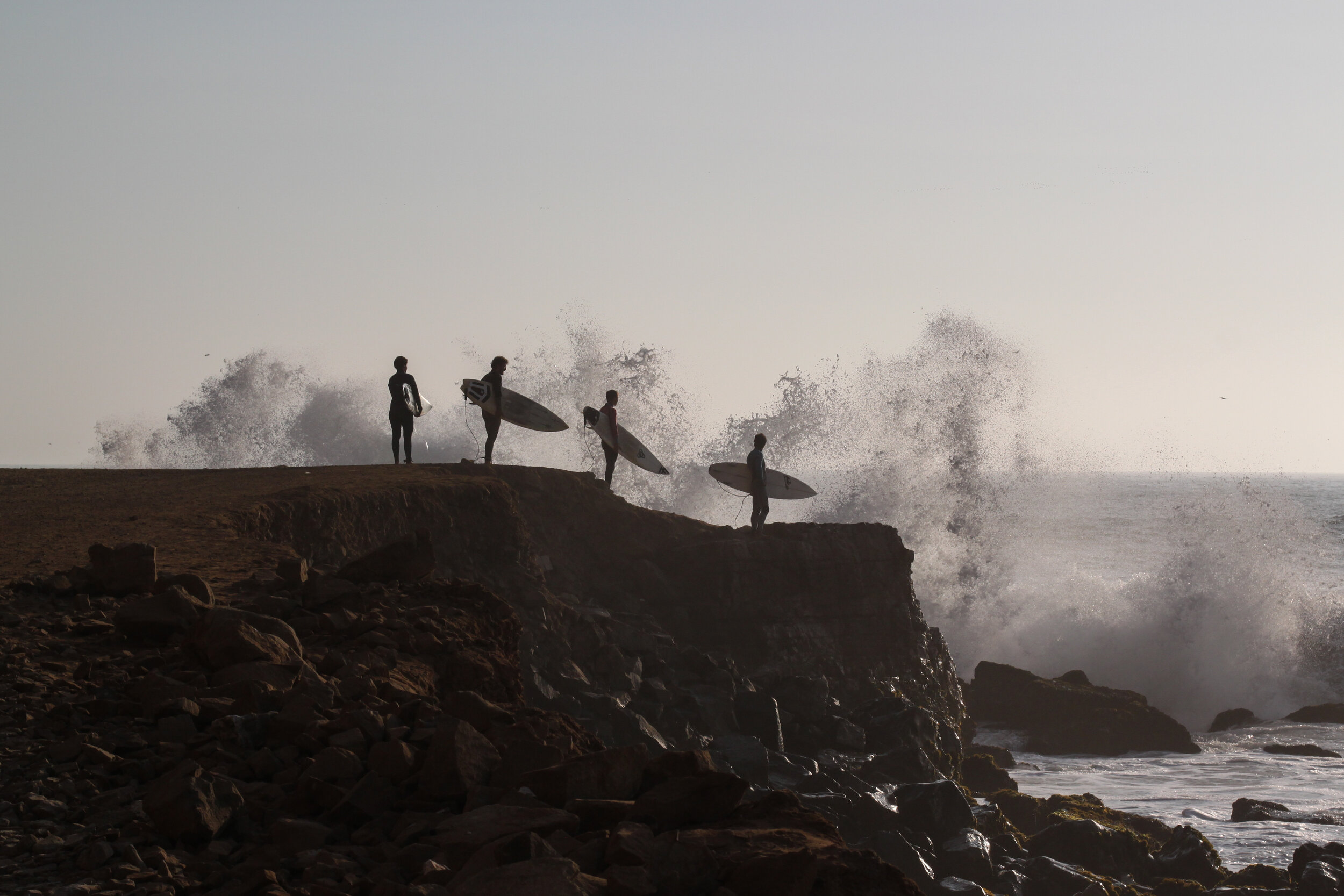
'Freedom' Travel Photo Selection

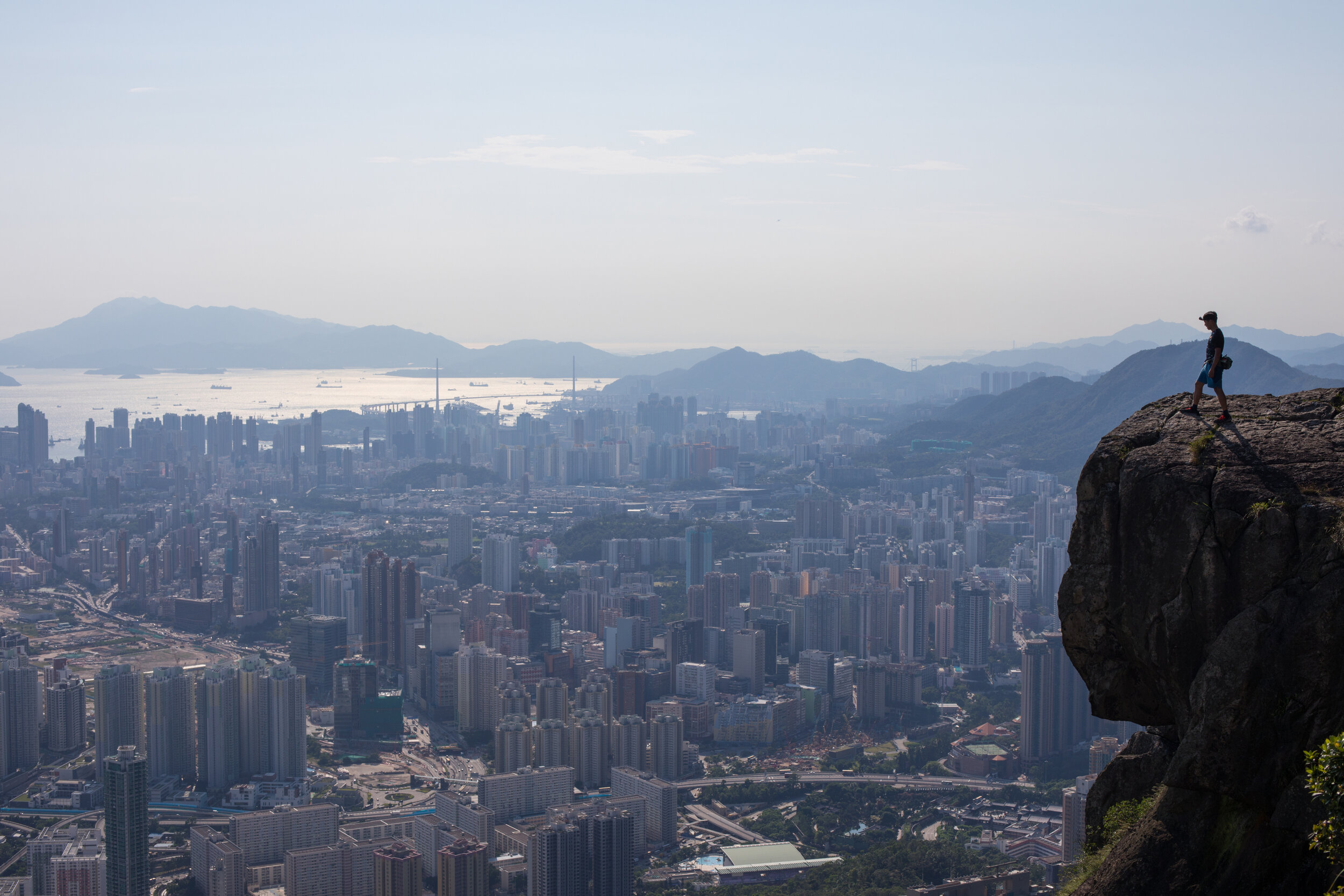
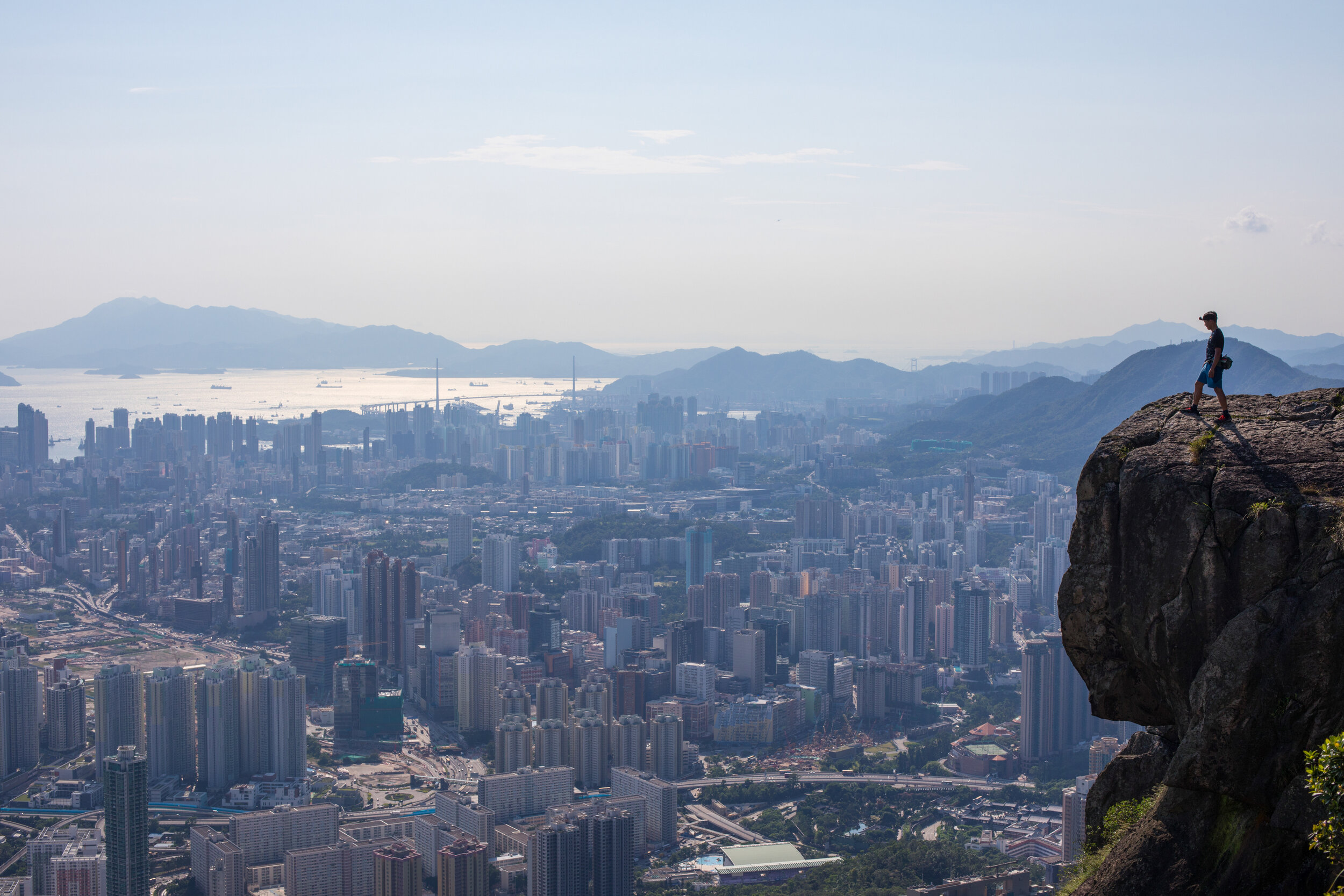
The photo I decided to enter was the first in the slide show, taken last year at 'Suicide Rock' in Hong Kong.  It was the most recent photo taken on my shortlist and the one that resonated with me the most. Here is the story behind the picture:

Last year whilst visiting Hong Kong I met up with Anthony, an outdoor enthusiast, born in Hong Kong and brought up in the United Kingdom.  Anthony managed to persuade me and a friend to hike the notorious 'Suicide Cliff'.  

 Located at 600 meters the viewpoint offers spectacular views over Hong Kong.  While keeping a safe distance from the edge and experiencing some vertigo I took this photo of Anthony strolling around the large rock without a care in the World. 

 I wanted to capture the essence of travel and freedom found in the great outdoors.  I also wanted to portray the contrast between nature and development evident in Hong Kong: Peace & solitude in a concrete jungle.   Hopefully people can look at the image and escape the mundane realities of life even if only for a few fleeting moments.  With hope, imagination, and a little effort we can all experience true freedom.  

For the competition the photo entries had to be in vertical/portrait orientation.  Currently I tend to take the majority of my photos in landscape format especially ones in which I want to show the sheer scale of the surroundings such as in the 'Suicide Cliff' image.  I will bear this in mind in the future when I am out taking photos to cater for different end uses for my photography.  The photo also had to be in colour, understandable for a magazine cover, especially for travel.  I have since edited the original image into black and white which I think adds to the overall scale of the place and precariousness of the hike.

‘Suicide Cliff’, one of the many hiking trails in Hong Kong.

‘Suicide Cliff’, one of the many hiking trails in Hong Kong.

More of my travel photography can be found on my websiteInstagramFacebook Page and my Flickr account. If you are interested in writing a guest travel or photography blog for my website please send me an email to discuss. Likewise if you are interested in purchasing any of my travel or abstract images, please send me an email: geraintrowlandphotography@gmail.com.  

7 Beautiful places for photographers to visit this summer on a budget (Guest Blog)

While the world is still at a halt to some extent, for now, I've decided to rack up my gear to check for some photos from locations I've pinned into my passport some time ago, and I did little research on your behalf to ease you up, once the summer traveling is a thing again. In this article I will present you with 7 beautiful places for photographers to travel to this summer.

#1 Lake Ohrid, Former Yugoslavian Republic Macedonia

Lake Ohrid Landscape image

As a nature-loving photographer, I'd like to start with the jewel crown of this small country in the Western Balkans. Lake Ohrid is one of Europe's most profound and oldest lakes, with a unique aquatic ecosystem of worldwide importance, with more than 200 endemic species.

It stretches between Montenegro, Albania and FYR Macedonia. The area around the lake itself reveals a Roman amphitheater, medieval churches, and a fortress, which is known for stunning views. Of course, the lake is a diamond of its own. 

Besides taking magnificent photos of sunset and sunrise, you can rent a boat to take photos from the middle of the lake or take your GoPro to swim and dive and take some underwater pictures. 

The area is crowded with cheap rentals and camping spots for hardcore tourists, so it makes a perfect sense to check in here if you're looking for a spot to hit on a budget. 

#2 Gdansk, Poland

Gdansk, Poland

Poland is well known for its postwar architecture, which is a revival of medieval structures. What to take photos of? Well, start with shipyard cranes, which date back to the 15th century. If you decide to hit the road in the summer, make sure you find yourself in the coastal resort of Sopot, where you can find golden sand beaches, the longest pier in the whole Europe and a great party scene – something you don't expect from a port town which is part of the famous Baltic riviera. 

The architecture, however, is a trademark of Gdansk. If you ever wanted to have a feeling of medieval knight city, cross the Polish border, head north, and visit this small gritty port town filled with brick houses, small stone streets, and great, cheap places to rent and merchant places to purchase genuine souvenirs from.


#3 Transylvania 

Landscape image of Transylvania

Vlad the Impaler, best known as Count Dracula, is the most famous person you can think of when I mention Transylvania, and you bet you're right. Great citadel in town of Sighişoara, the birthplace of Count Dracula, certainly claims its fame as a great touristic spot for taking photos, resembling the great history of this old town. 

However, selfies crept with fear, and blood is not the only type of pictures you can take in Transylvania. I suggest you take your 70-200 mm lenses so you can catch up with the Transylvanian wolf, bears, red deer and lynx, animals that are free to roam in Piatra Craiului National Park, where you can take mesmerizing landscape photos, and if you're lucky, get some wildlife shots.


#4 Georgia 

Travel Image, Georgia

It is likely physically the most demanding travel spot on the list. Georgia is not quite European, yet not quite an Asian country, but rather a mix of cultures and climate conditions packed with different sorts of outdoor activities, out of which I fancy hiking and waterfall photo shooting the best. 

For this type of off-road activities, you will need your mountaineering gear as well as your standard photo backpack. But, no worries! Even though you can find extremely difficult hiking trails in Georgia, with Gergeti Trinity church and Gergeti glacier being the most difficult one, you will enjoy beautiful scenery even if you are a beginner mountain climber. 

If you're more interested in getting your feet wet, your must-see place is Gveleti waterfalls, which kind of resemble scenery out of the world's best national parks, and that specifically is the reason why it is one of the top spots for water and nature photography. 


#5 Kaeng Nyui Waterfall in Vang Vieng, Laos

Kaeng Nyui Waterfall in Vang Vieng, Laos

If you are a morning person, then the Kaeng Nyui waterfalls are a good choice for you. Why is the waterfall connected with the early morning routine? 

Well, because the place is crowded with tourists during the day, and if you want to take awesome long exposure photos for which you'll need some time, along with your tripod, make sure to hit the door in a blue hour. Coming to Kaeng Nyui Waterfall, you will not only visit a fantastic waterfall, but also you can visit a village of Ban Naduang as well as swim in any Nam Lao Stream's water hole. 

As a plus, Kaeng Nyui consists of three waterfalls, which makes it a great spot for Instagram selfies as well as pro mode full landscape shots. The place is accessible via car and motorbike, but I recommend you take a hiking trail, just make sure to go while it is summertime, because it can get super wet and slippery during the rainy season.

#6 Sossusvlei, Namibia

unnamed-9.jpg

The river does not reach the Atlantic Ocean even during the wet years but drains away between the dunes. The Sossusvlei is home to very diverse wildlife. Here, you will find snakes, scorpions, geckos, and even hyenas. 

However, the real reason to visit Sossusvlei lies in its magnificent dunes – even three of them! The dune one is the photographer's favorite spot because it has the shape of the letter S (did someone say "tone curve?), but dune number two with its altitude of 260 feet is very popular when it comes to snapping once in a lifetime sunrises. 

My favorite is, of course, "Big Daddy, "one of the highest dunes in the world, with an altitude of 1000 feet. Once you climb it, you will be tempted to run down, which I highly recommend, just make sure to take your GoPro or tripod for great videos, especially if it is a bit windy. 

#7 Chiang Dao, Northern Thailand

Chiang Dao, Northern Thailand

I've decided to finish off the list with one of the more popular destinations, Chiang Dao. One of Northern Thailand's sweet spots is a scenic place of limestone cliffs and a home to Thailand's third-highest mountain, Doi Chiang Dao, with an altitude of 7,136 feet. 

If you are a bird lover and love to take pictures of beautiful rulers of the sky, Chiang Dao is a place for you; it is a premier spot for bird watching in the country with more than 350 species, some of which are quite rare. 

I'm, of course, aware that many photo travelers like a more laid back approach, so I recommend you to ace your Instagram feed with photos of caves and hot springs, especially in winter, because Chingao Dao can get quite cold. 

As a cherry on top, this small town is located next to Pha Daeng National Park, where you'll find yourself emersed in snapping bamboo forests shots as well as the everyday life of Karen hill tribes that dwell nearby. 

So, there you have it. These are seven budget-friendly exotic locations that will make you feel like you're in some other dimension, specifically for photographers. Make sure to utilize the magic of these recommendations, snap the best photos, and share them with us. Happy travel!

This was a guest blog written by John Bennet, a travel photographer from New York, more of his work can be found on his blog. If you are interested in writing a guest blog or other forms of collaboration please send an email to: geraintrowlandphotography@gmail.com. More of my travel photography can be found on my website, my Instagram, my Facebook Page and my Flickr account.

Travel Photography in Rajasthan

Last year I embarked on a six month photographic journey around India.  After a few months exploring the southern states of Karnataka, Kerala, and Tamil Nadu I travelled East to Kolkata and eventually into Bangladesh.  After some time in Dhaka I flew back into India to explore the North: Varanasi, New Delhi and Agra before finishing my Indian experience in Rajasthan.

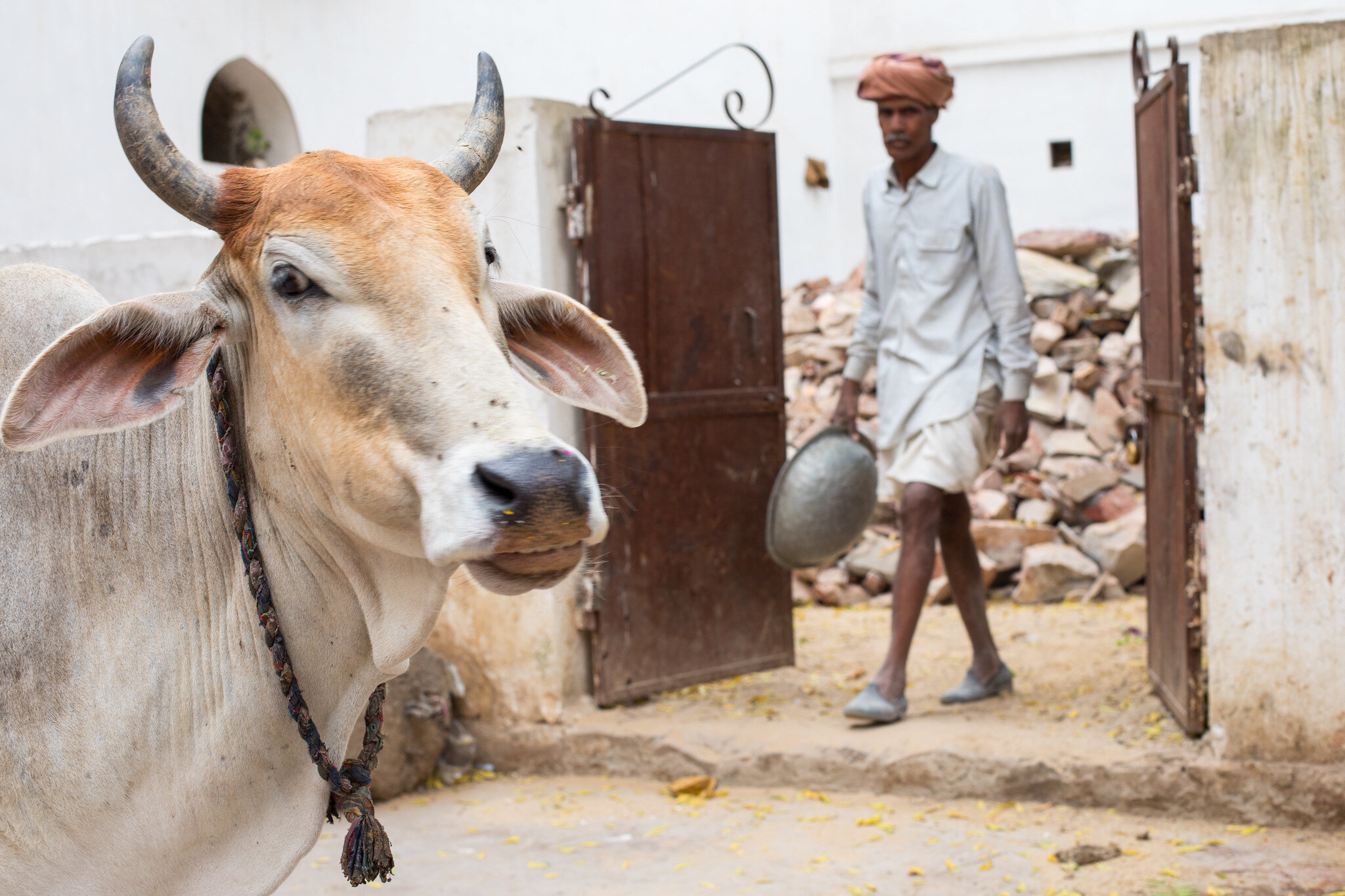
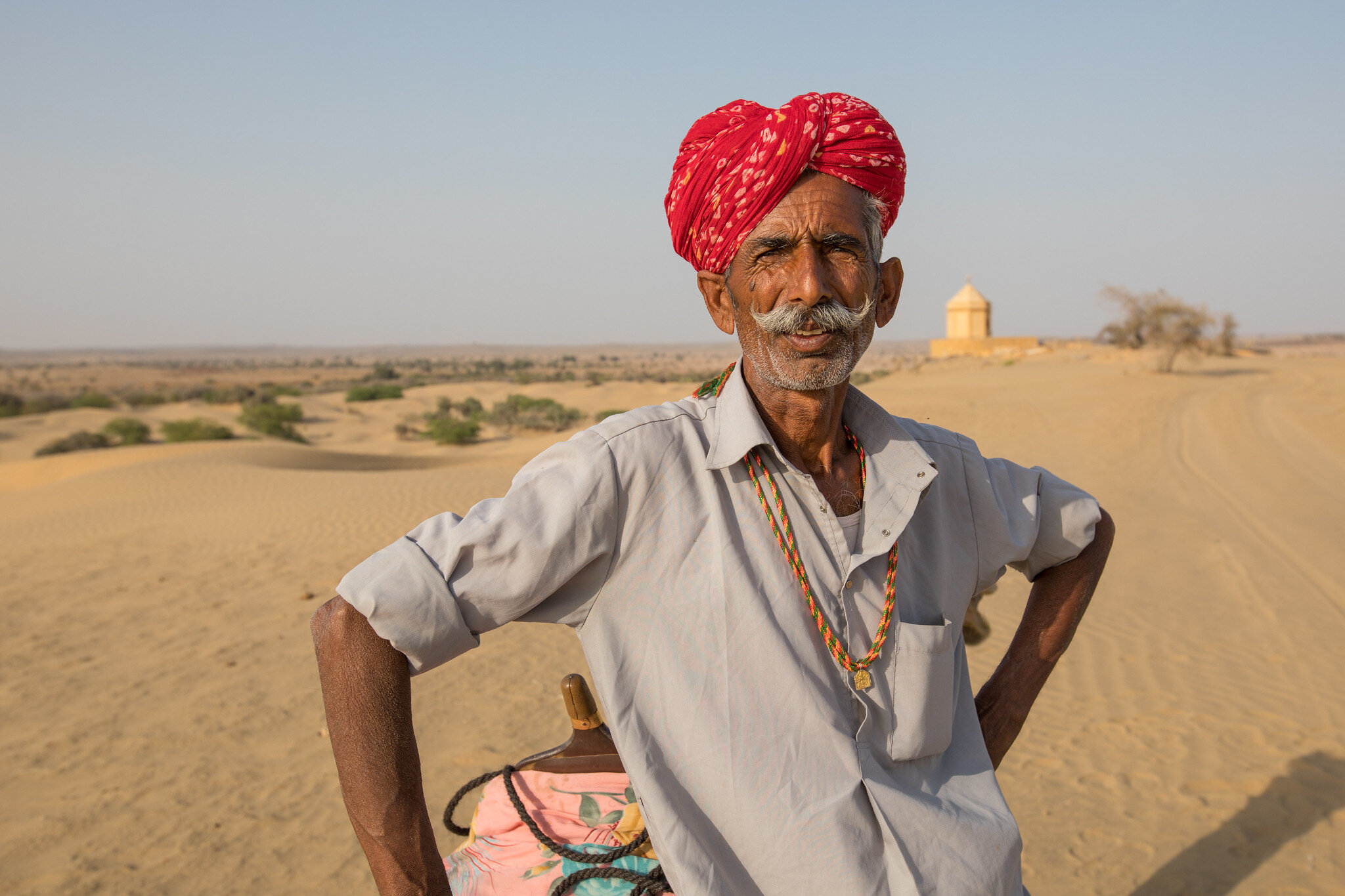
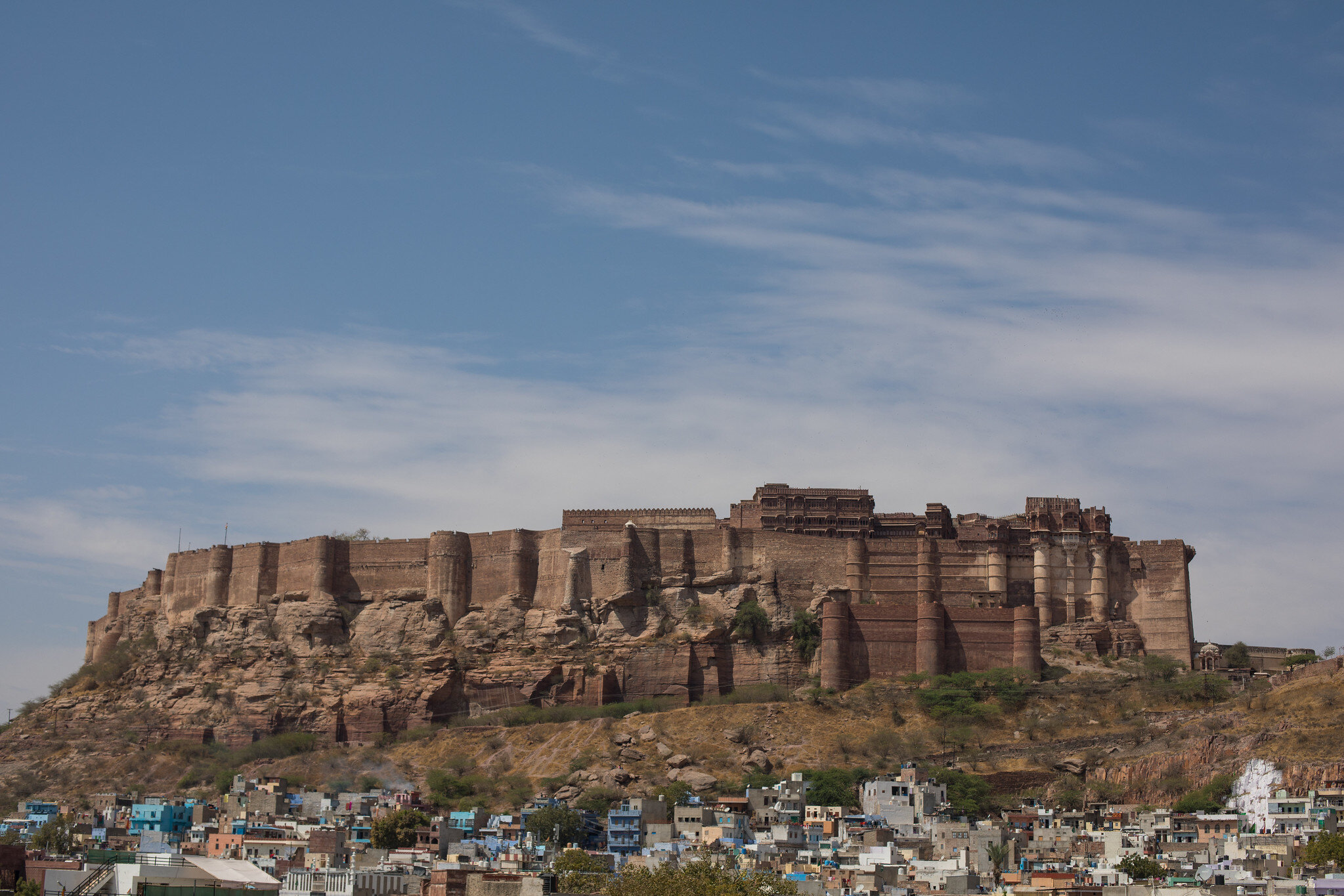
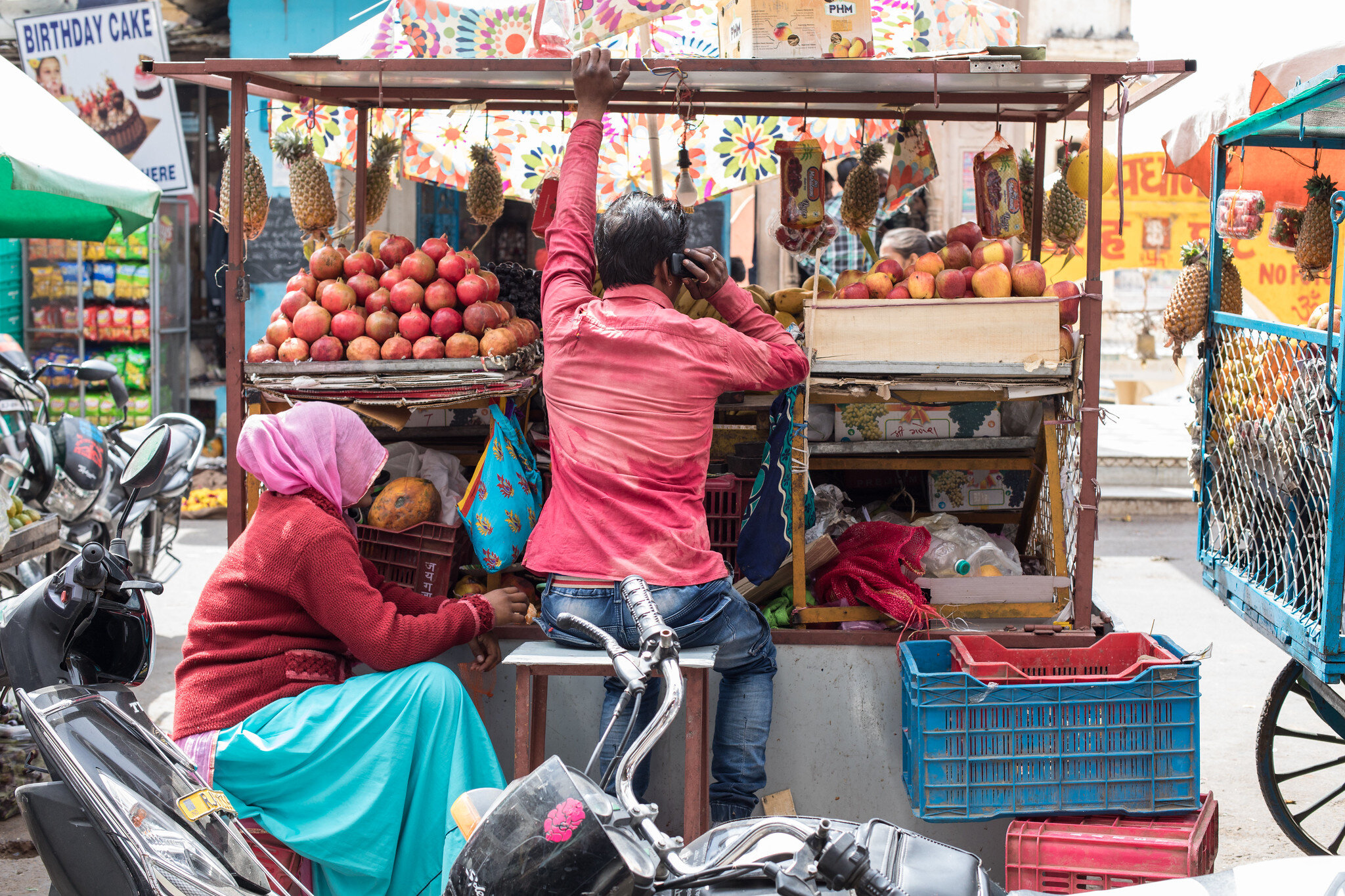
Rajasthan was definitely the highlight of my Indian journey.  The people are friendly, the pace less hectic and the area a photographer’s dream.  Rajasthan is a large state located in the North West of India.  The state itself is huge, the largest geographically in India so in a few weeks I was only able to see a fraction of it. Click through the slideshow below to view some of my travel photographs from Rajasthan:

I started my Rajasthan Travel in the fascinating small town of Pushkar which is set on Pushkar Lake, a sacred Hindu site where pilgrims have bathed for centuries.  The town has some interesting markets to capture some real Rajasthan life on the streets. The women of Rajasthan wear very colourful clothing and the lake offers some beautiful landscape images at sunset.  Like much of India, Pushkar is full of monkeys which can also make for interesting and amusing nature images.  Once a year the small town holds the Pushkar Camel Festival, India’s largest festival which I would love to attend one year.

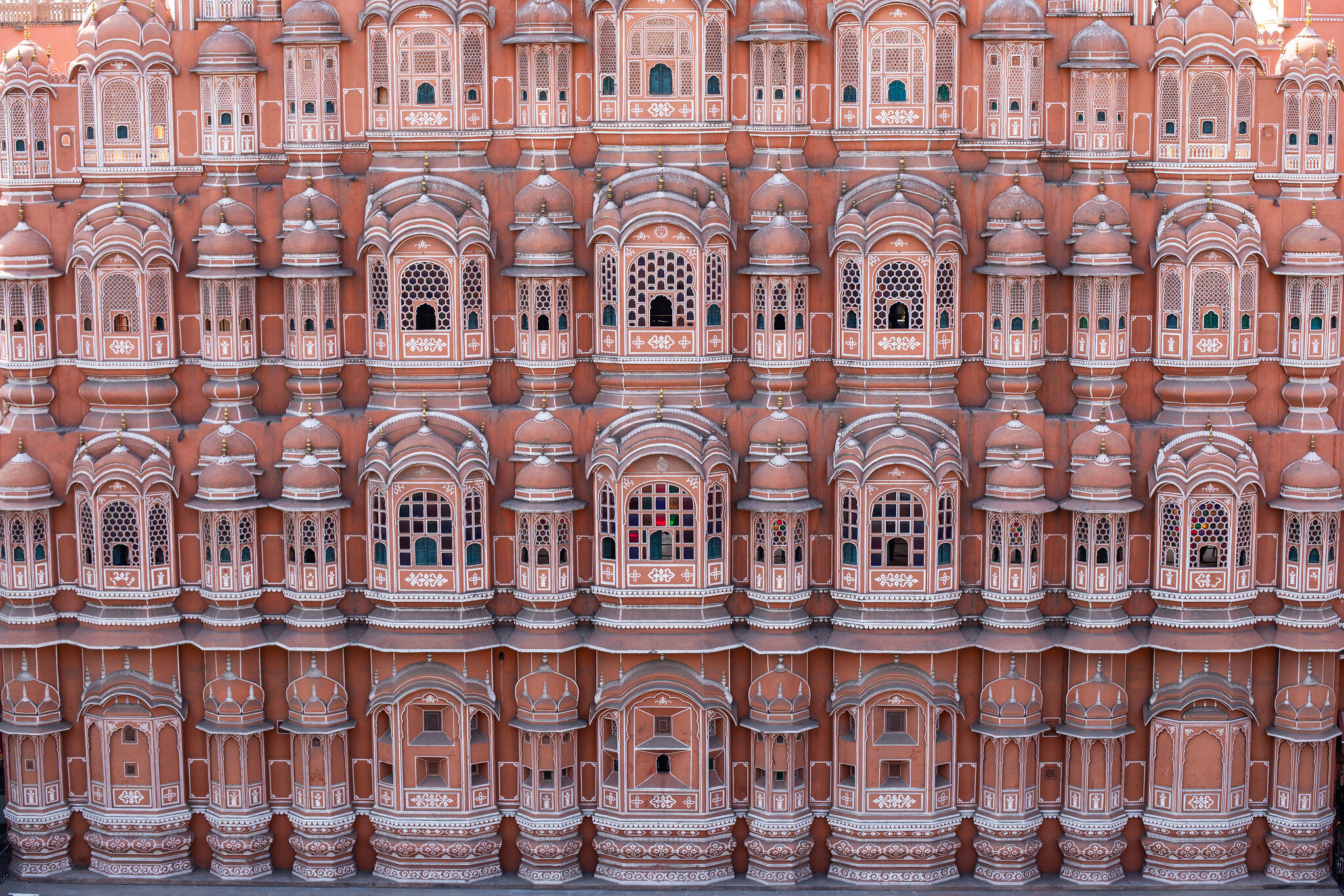
From Pushkar I travelled by local bus to the city of Jaipur, the Capital of the state of Rajasthan.  The Pink City, as it is often referred to for it’s trademark building colour, has become a popular tourist destination full of magnificent forts and extravagant palaces.  Photographic highlights include: views over the City from the Nahargarh Fort, great at sunset, and the impressive architecture of Hawa Mahal, an Instagram friendly pink palace in the heart of the city.  Don’t forget your wide angle lens for this cultural masterpiece!

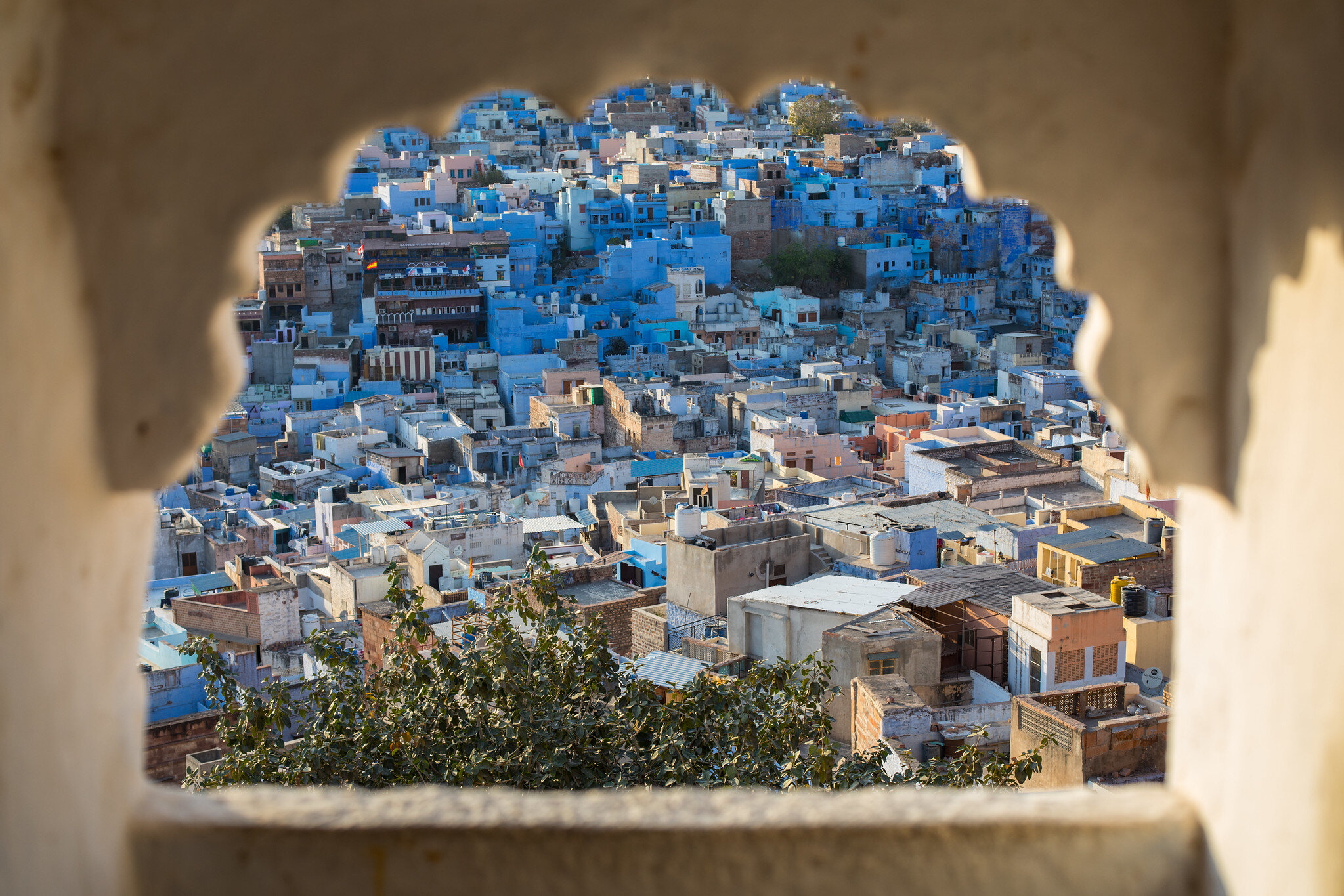
From Jaipur I travelled next to Jodhpur, the second largest city in the state of Rajasthan.  Jodhpur is a popular tourist destination with much history and culture, with many forts and temples to visit.  The traditional walled city is also known as the Blue City of India where the majority of buildings are painted in the same shade of blue.

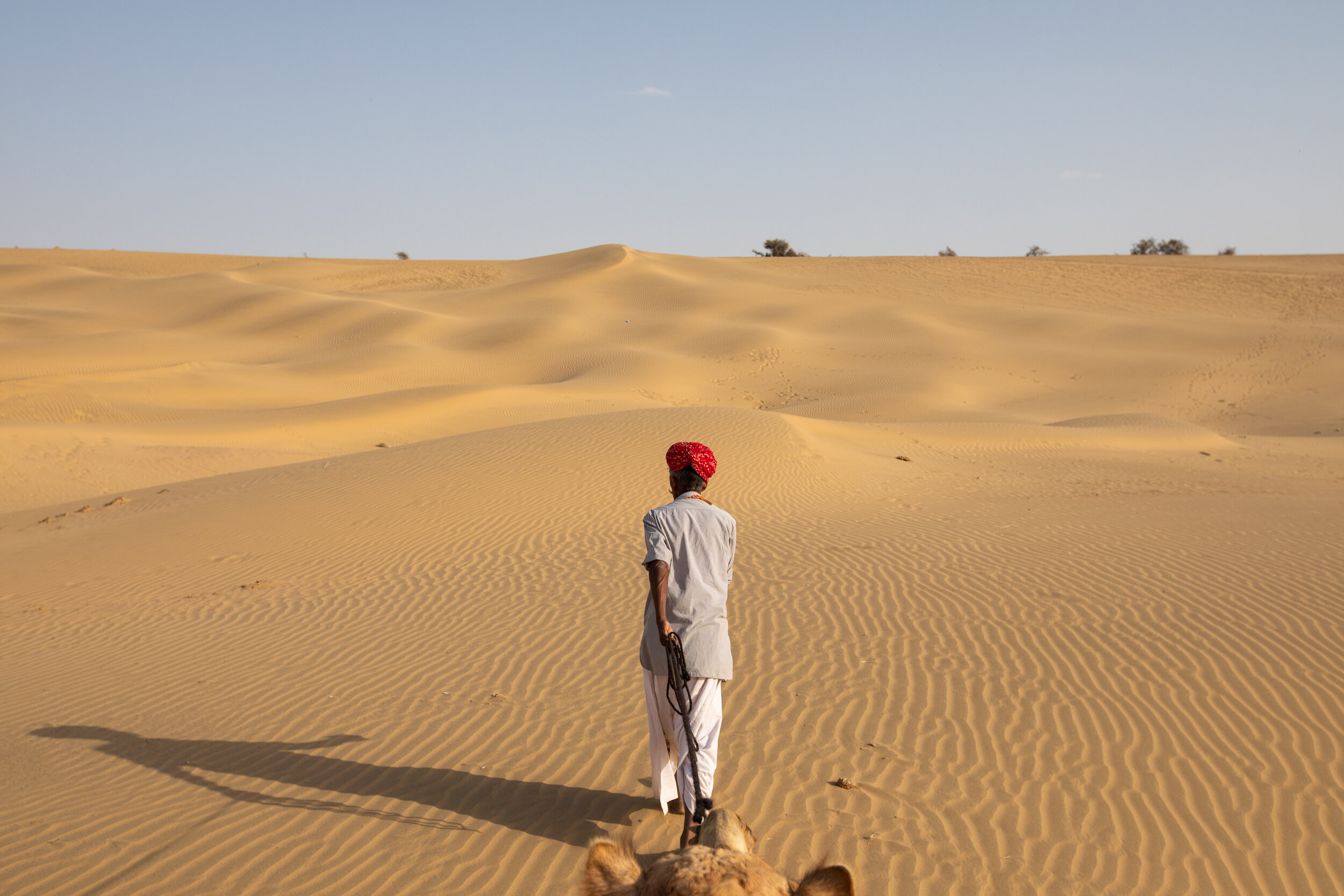
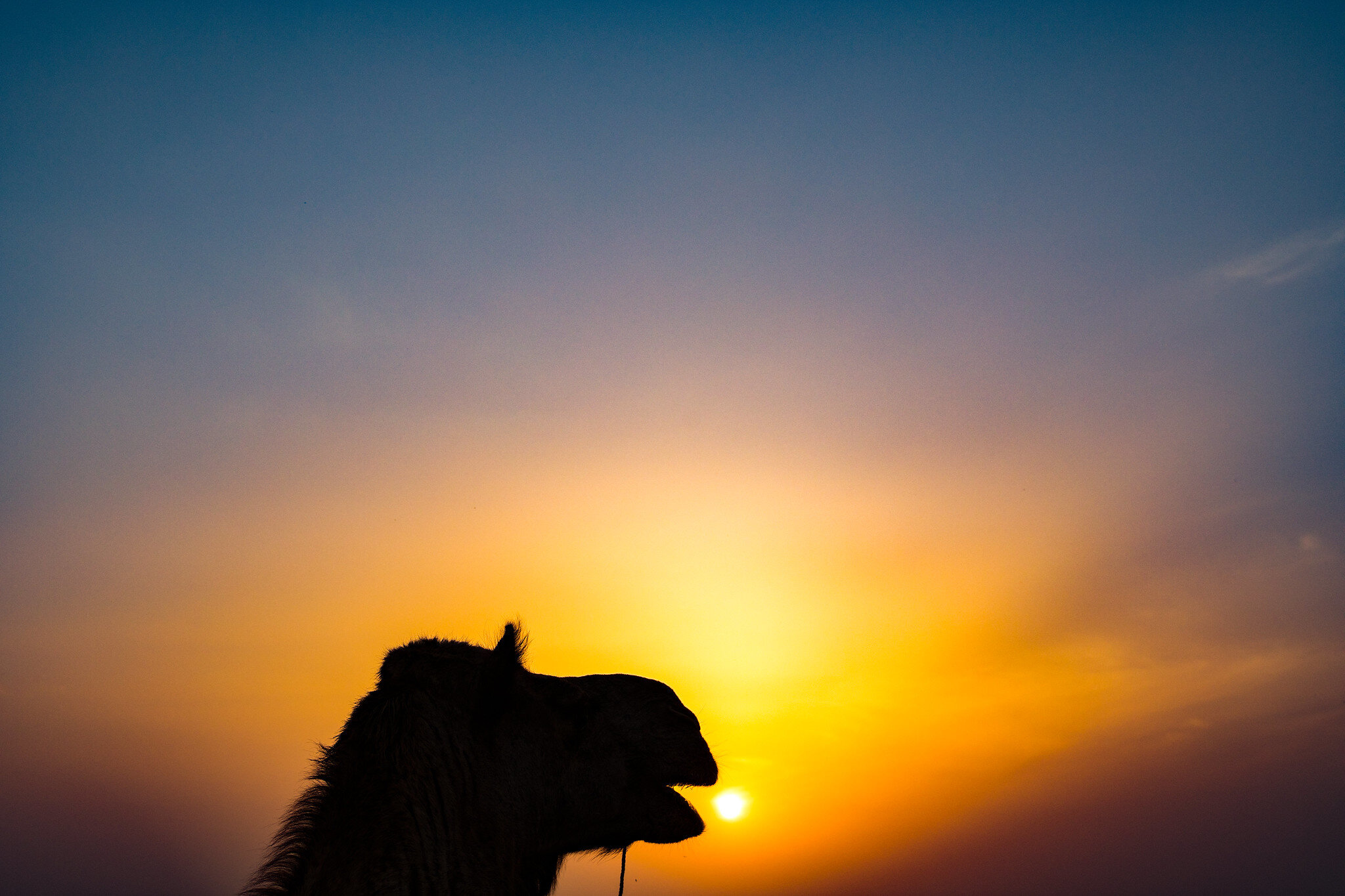
For my final few days in Rajasthan travel, I followed a travellers tip and journeyed to the small historic village of Khuri in the Thar Desert.  Here I stayed with a local family enjoying delicious food and was able to explore some of the Thar desert, also known as the Great Indian desert both by foot and by camel back.  Staying in the village is like stepping back in time, a great place for rest & relaxation.  Taking a camel ride into the desert allows for some unique landscape images of the endless sand dunes.

That takes me to the end of my photographic journey through beautiful Rajasthan.  Without a doubt I will be returning to this fascinating state soon to enjoy all it has to offer and capture the interesting art, architecture & people along the way.

A big thanks to ‘Everyday Rajasthan‘ for inviting me to share some of my Rajasthan memories.  More of my travel photography from India can be found on my website and my instagram. If you would like me to contribute a photographic story to your blog or website please send an email to: geraintrowlandphotography@gmail.com.

Enmarcar un Marco: Una útil técnica de composición en fotografía

¿Qué es un 'Enmarcar un Marco'? 

En fotografía 'Enmarcar un Marco' o un 'Marco dentro de un Marco' es cuando el fotógrafo utiliza algún objeto dentro de la misma escena que está presenciando para enmarcar a su sujeto principal. De esta forma, un segundo marco es creado dentro de la imagen: un Marco dentro de un Marco. Esta técnica de composición puede mejorar tu imagen de varias maneras: Primero, lleva la atención hacia el sujeto ayudando a aislarlo de distracciones dentro de la imagen. Segundo, añade profundidad o capas a una imagen que de otra forma podría resultar plana y aburrida. Finalmente, un Marco dentro de un Marco puede crear misterio o intriga llevando al espectador a detenerse a explorar la imagen con más detenimiento. 

Puedes hacer clic en la siguiente presentación para ver algunas de mis fotografías de viaje usando el método de composición 'Enmarcar un Marco':

¿Por qué deberías Enmarcar un Marco? 

La composición es uno de los aspectos más importantes en fotografía. Una correcta composición puede transformar una escena ordinaria en una gran imagen. A diferencia de ciertos elementos fotográficos como la iluminación, no se requiere ningún conocimiento técnico para lograr una composición exitosa. Al final, cualquiera puede crear imágenes usando esta técnica. No importa el precio, marca o modelo, cualquiera con una cámara o un teléfono móvil puede salir e intentarlo hoy mismo. 

Oportunidades para Enmarcar 

Las oportunidades de usar marcos son infinitas, pero muy a menudo pasan desapercibidas. Por ejemplo, la naturaleza nos provee un vasto número de marcos naturales, tales como arboles, nubes o flores. Adicionalmente existen muchos objetos creados por el hombre que también pueden ser utilizados. Entre estos podemos incluir: ventanas, arcos, puentes, edificios, etcétera. Entre más fotografías de este tipo tomes, más potencial descubrirás en las situaciones cotidianas.

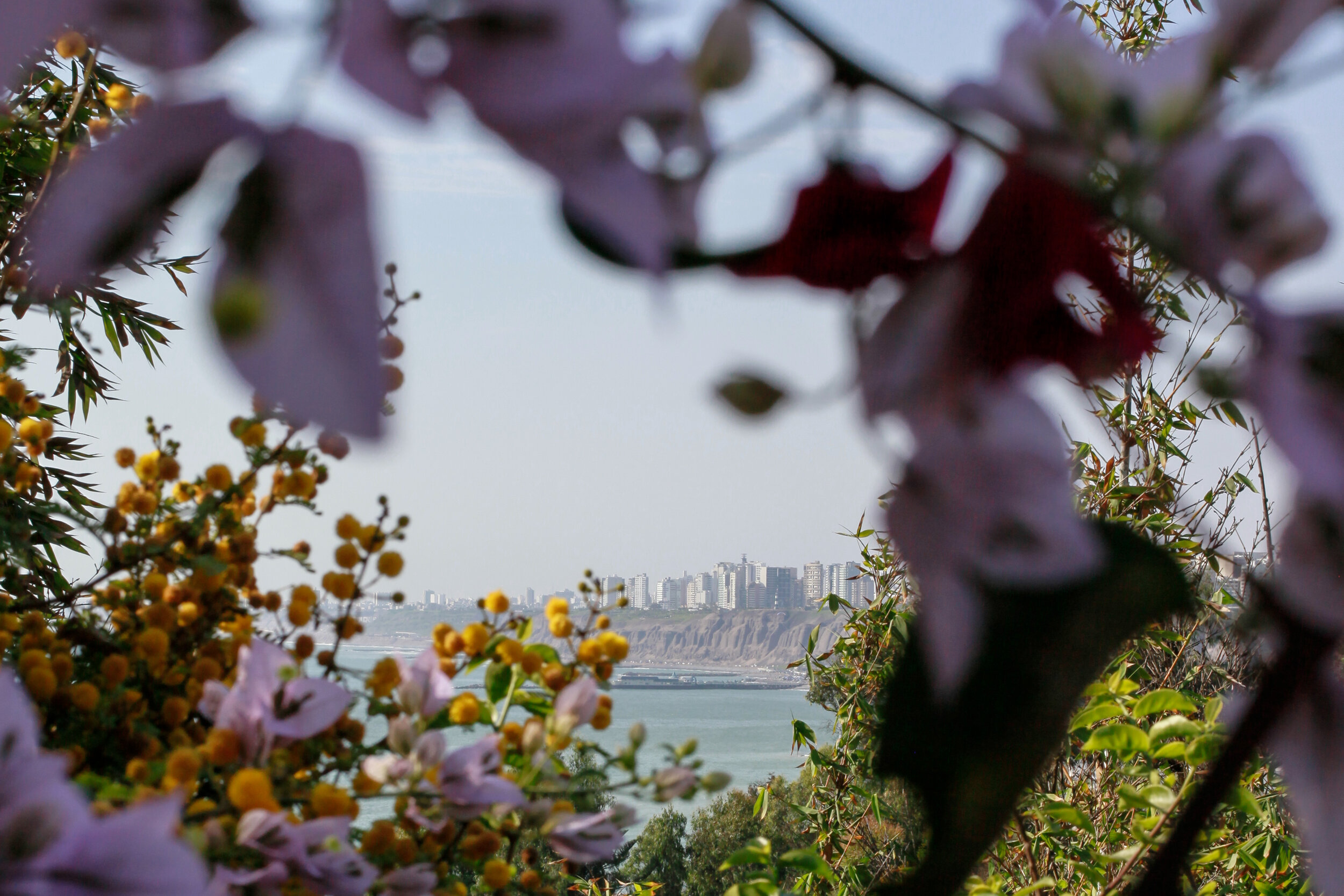
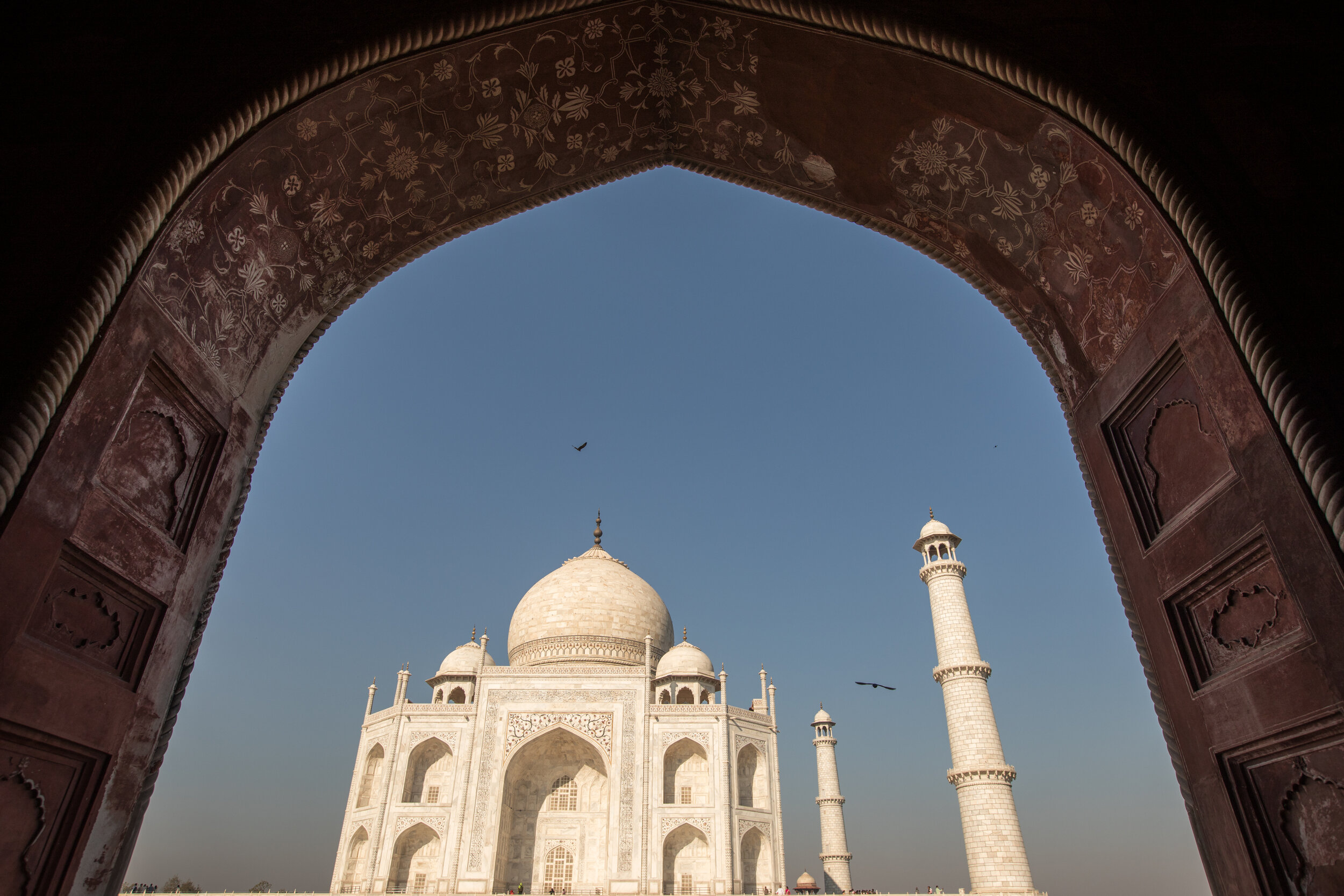
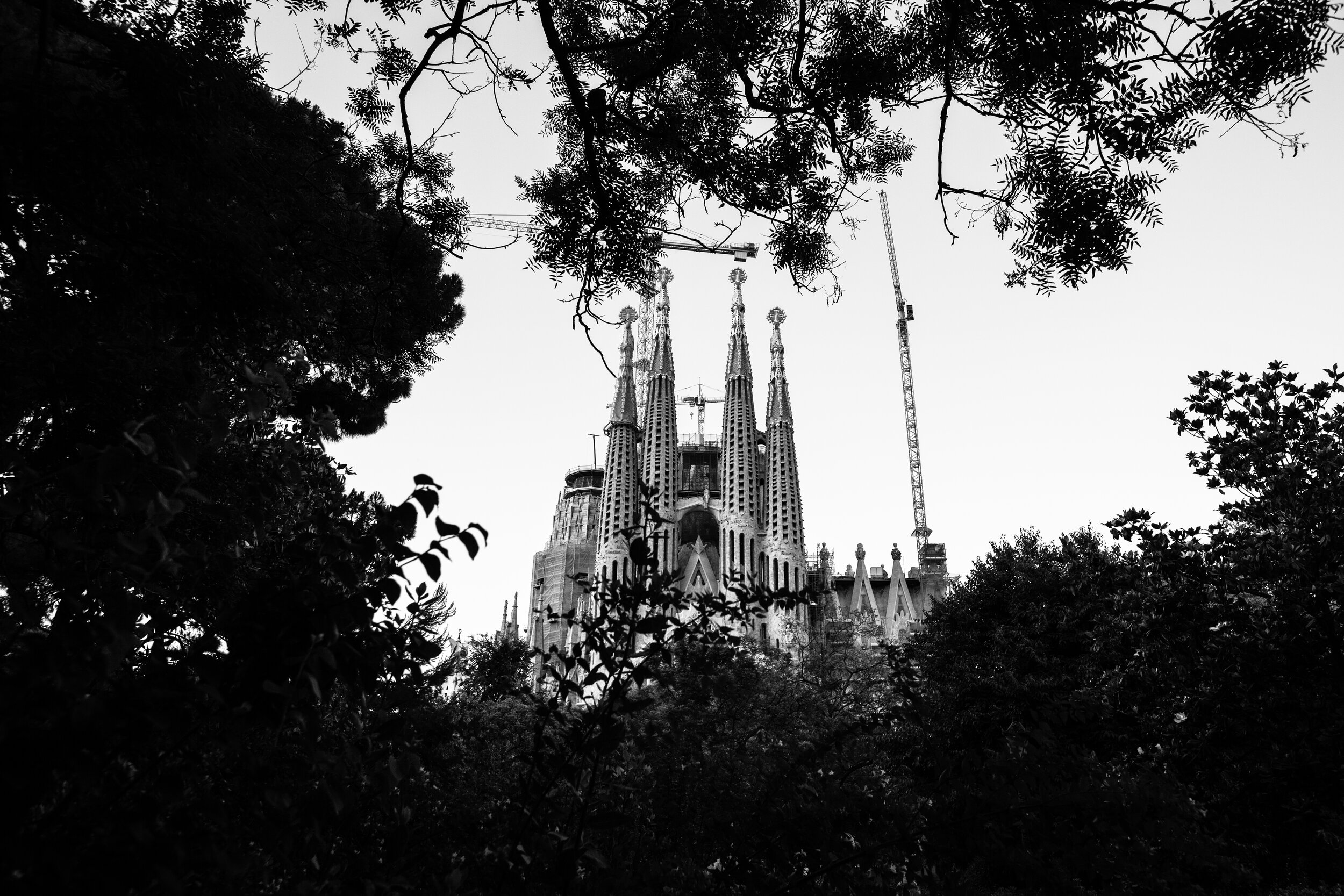
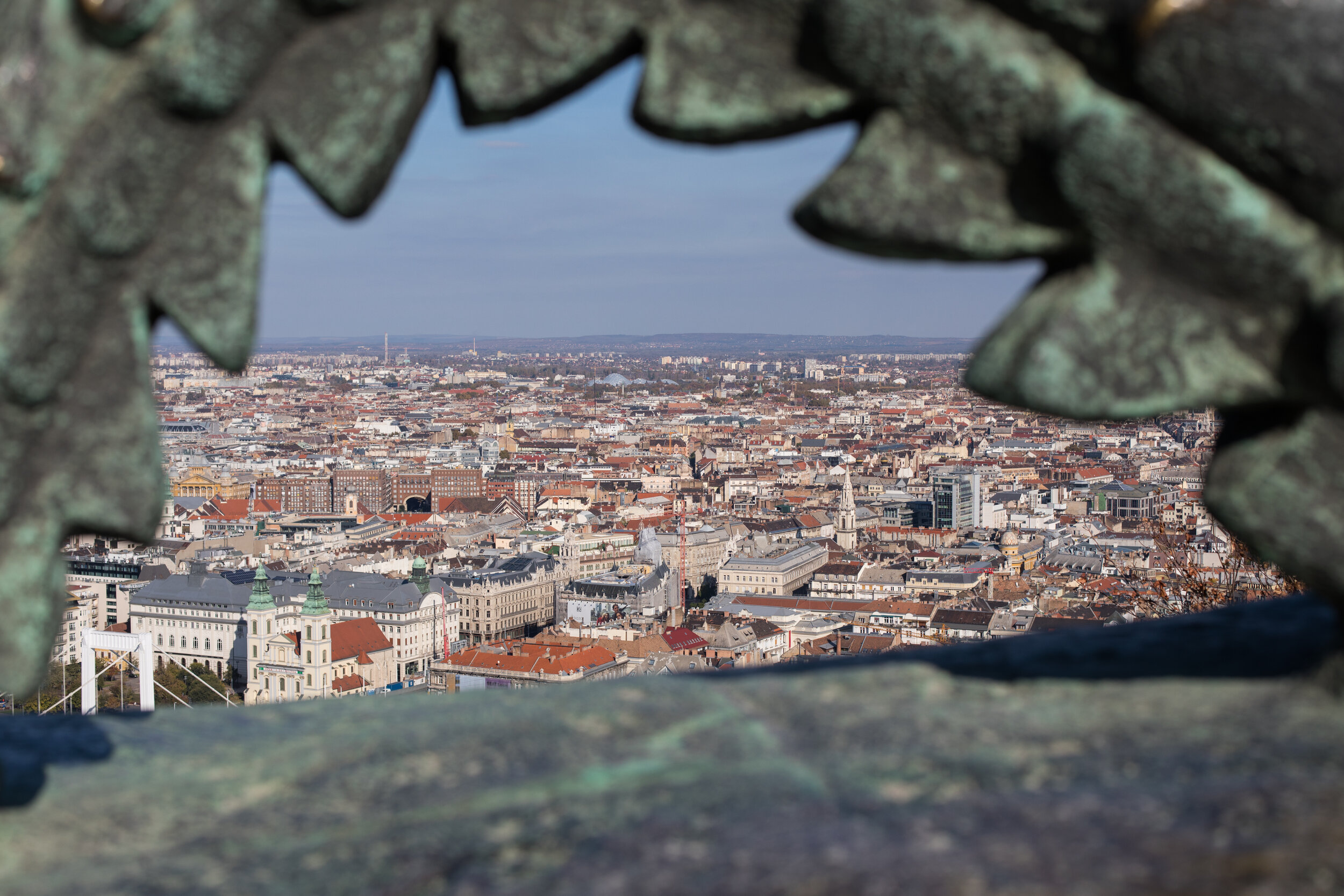
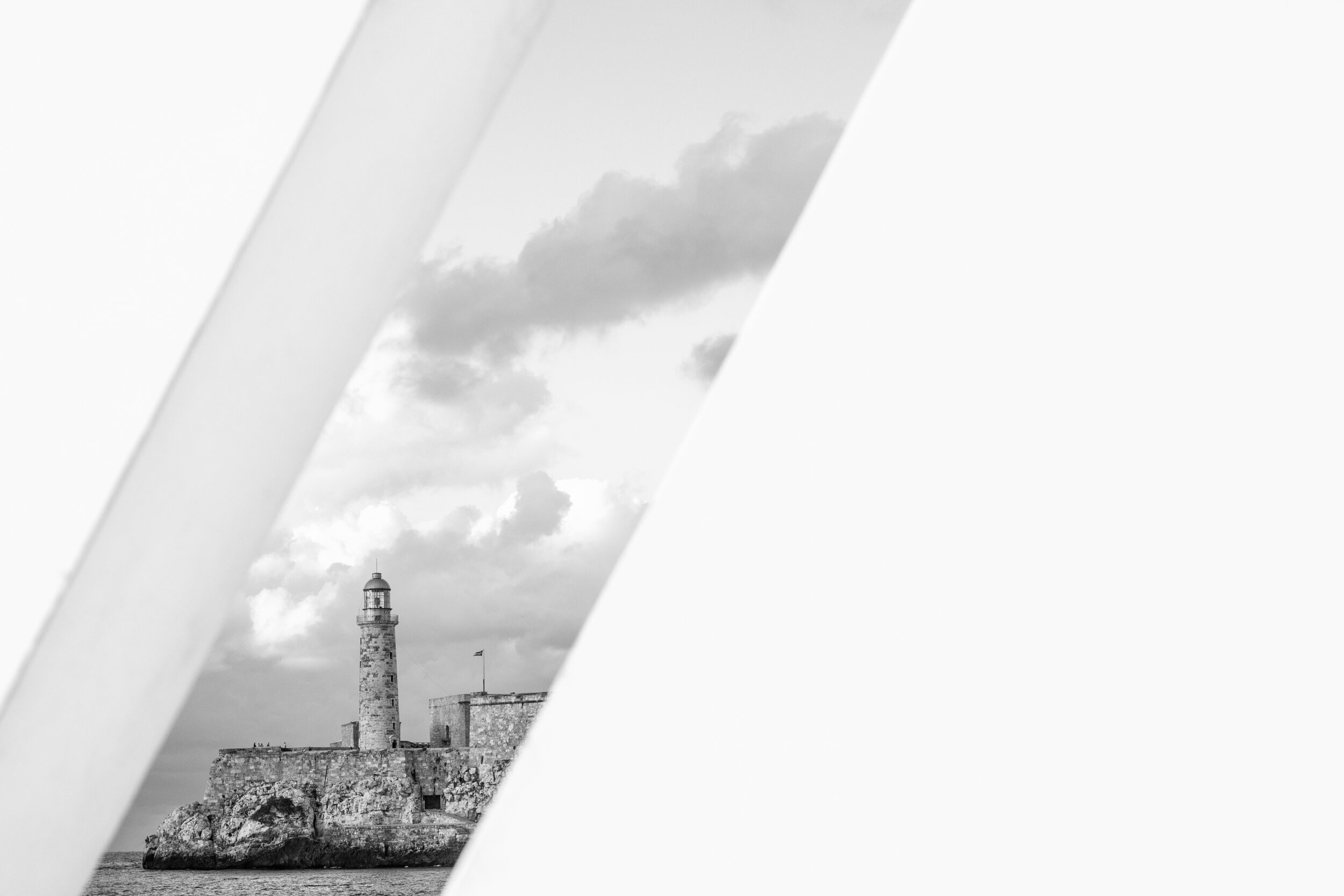
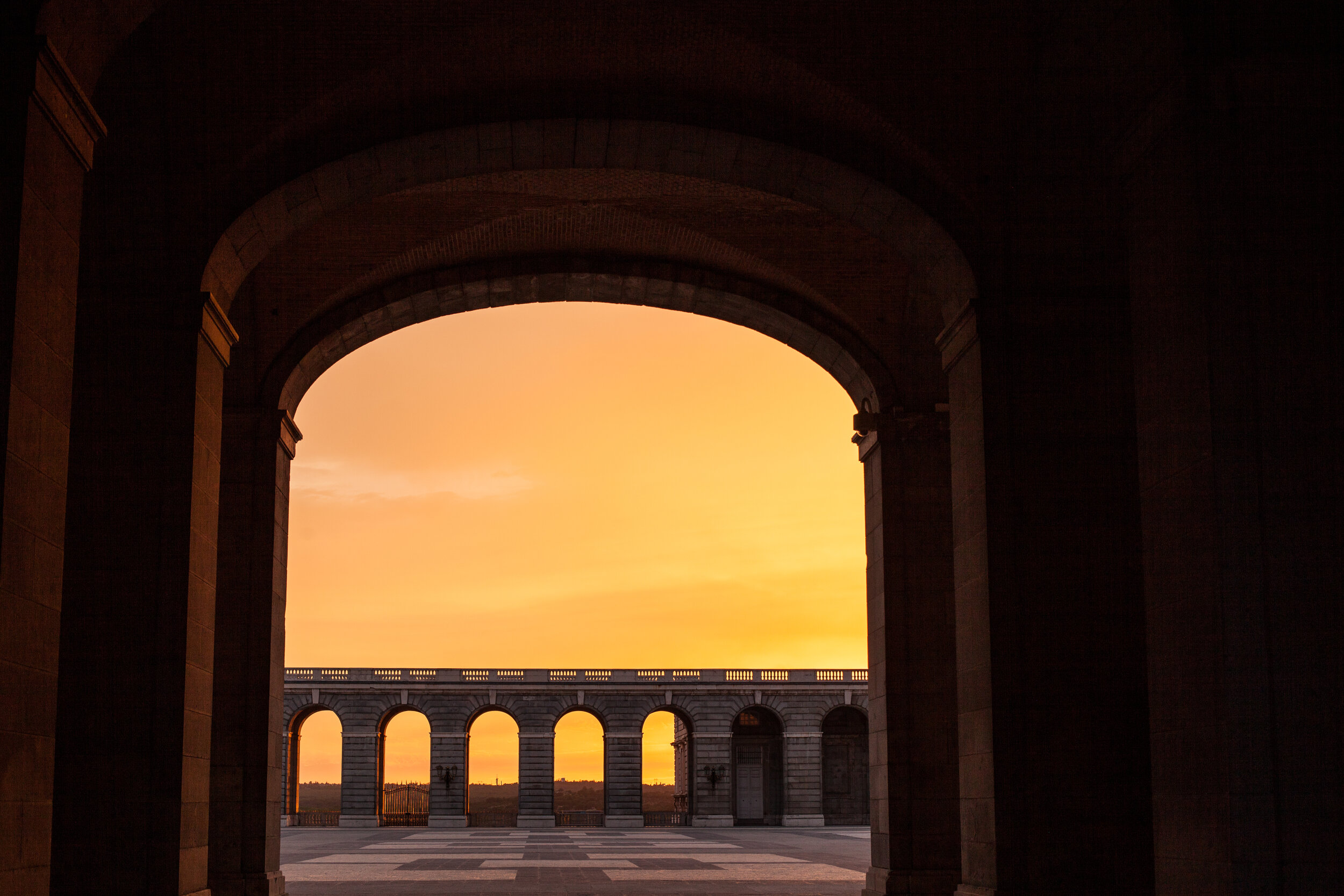
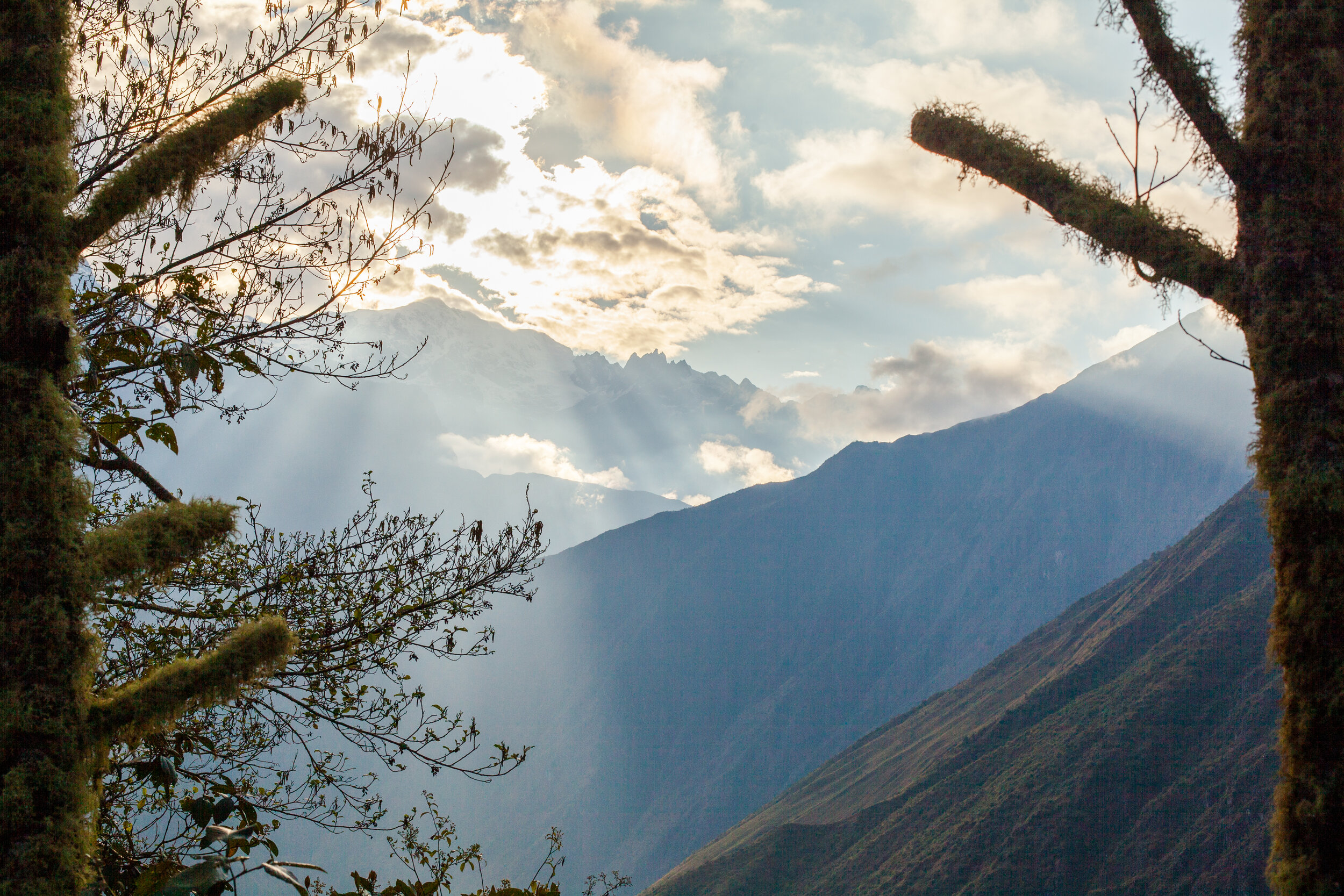
En la presentación de arriba se incluyen como ejemplos de Enmarcado: arte moderno en Habana, enmarcado natural en Lima, enmarcado frontal del Taj Mahal en India, la icónica Sagrada Familia vista desde los arbustos, la vista de Budapest y el arco de un palacio en Madrid

Los fotógrafos de bodas, viajes o fotografía callejera regularmente utilizan el método de composición Enmarcar un Marco. 

Puedes encontrar más de mis fotografías de viaje en mi página web, Instagram, Página de Facebook, y mi cuenta de Flickr. Si estás interesado en comprar alguna de mis fotos impresas o en alguna colaboración, envía un email a: geraintrowlandphotography@gmail.com.

Machu Picchu por Geraint Rowland Photography

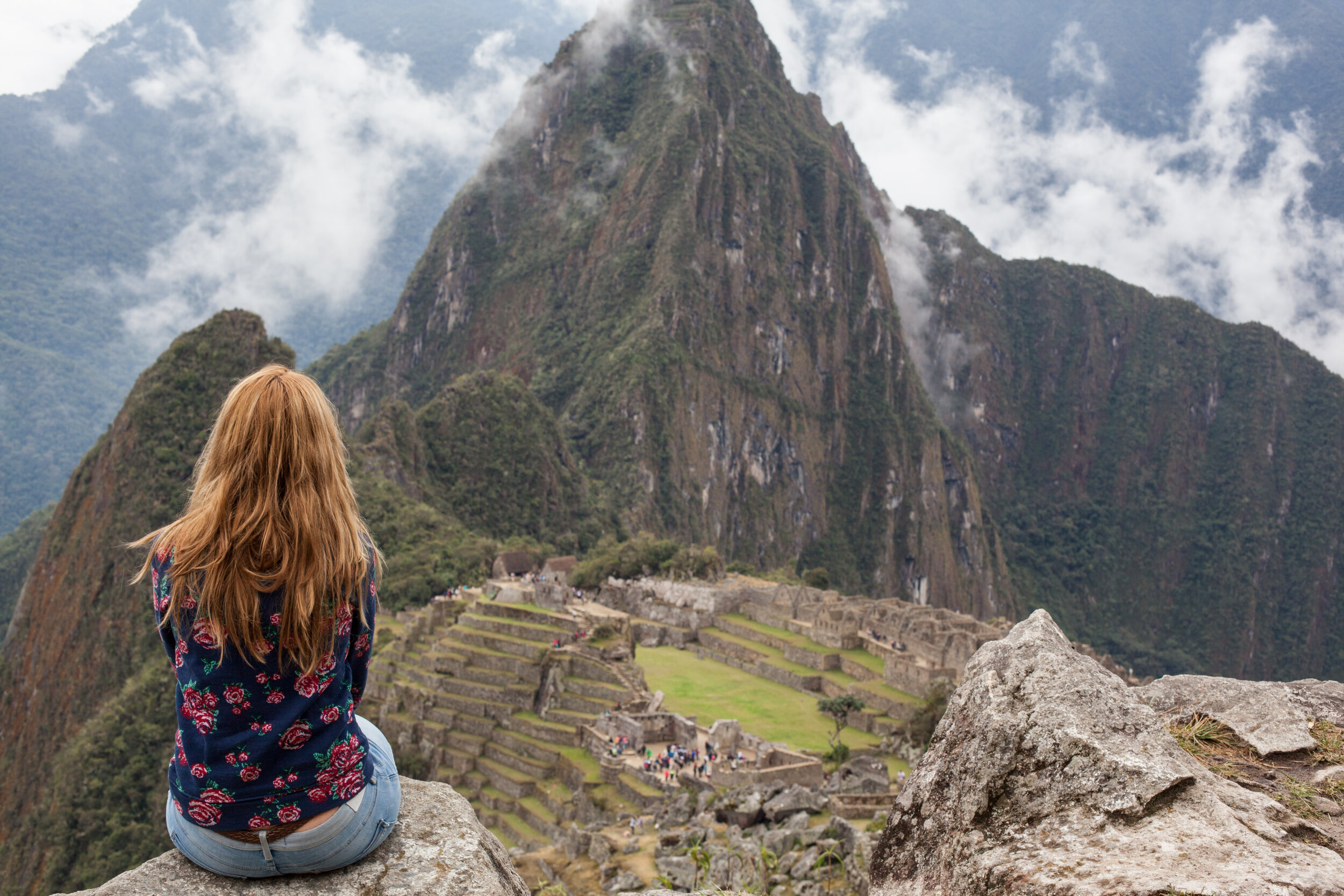
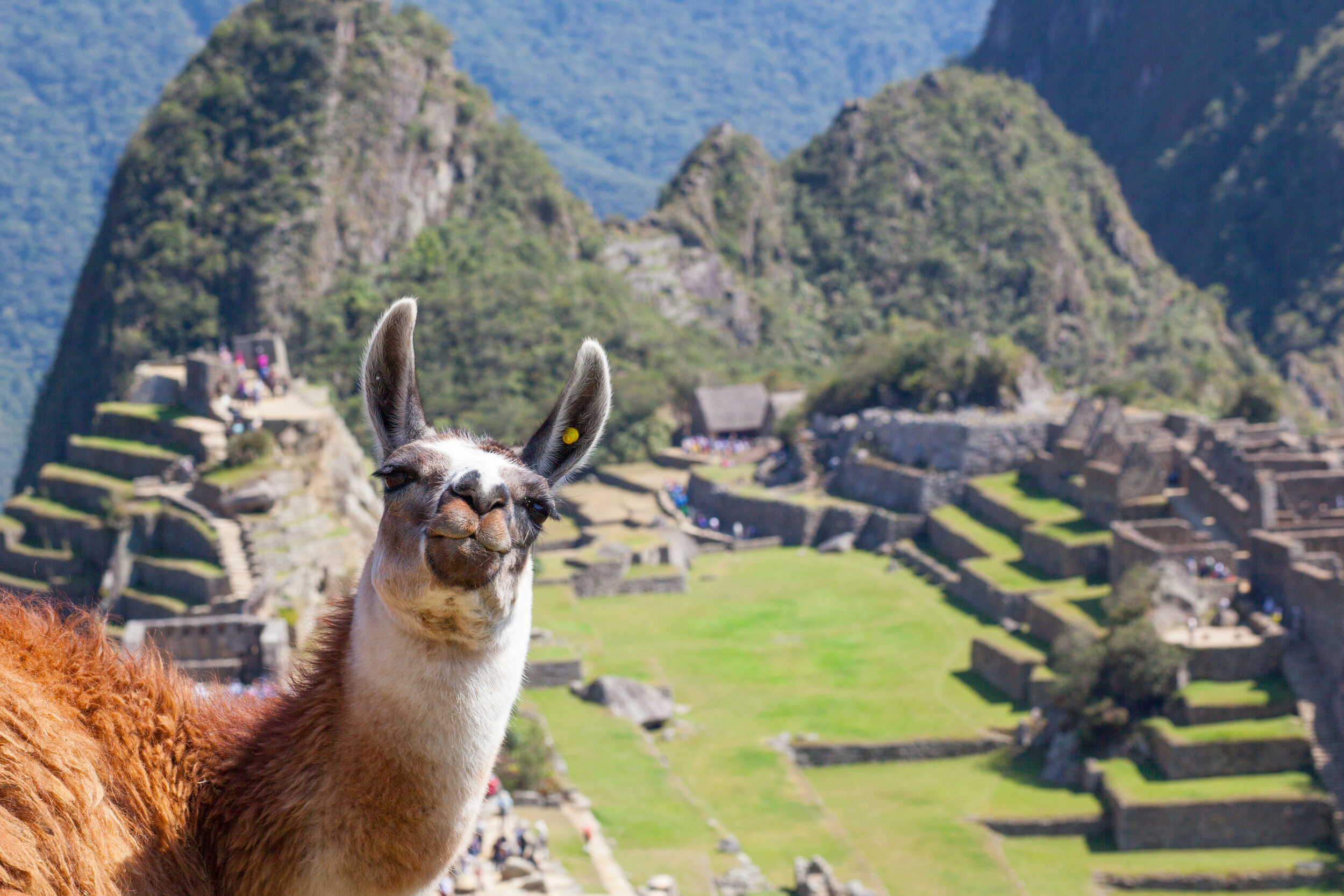
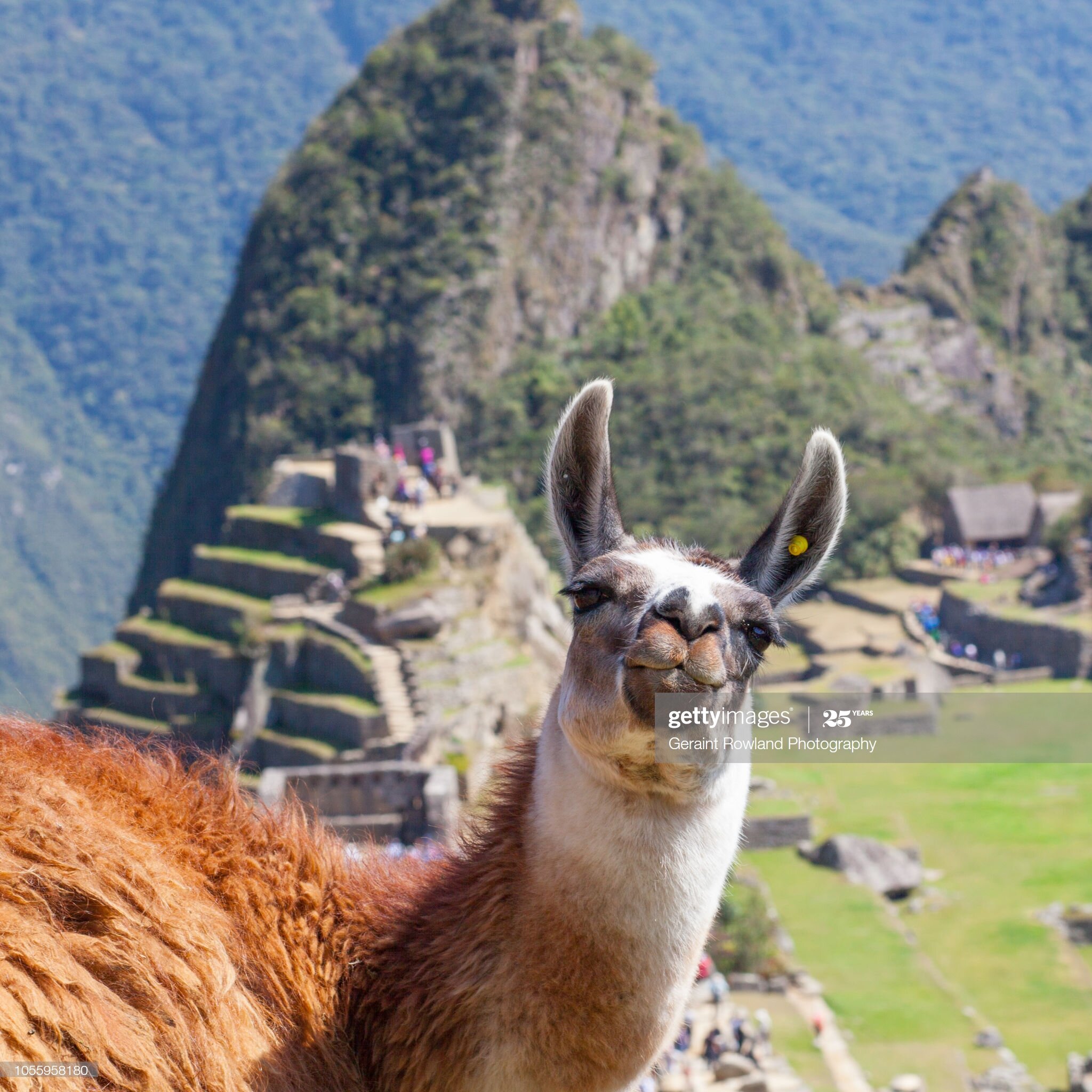
Hace algunos años atrás, tuve la suerte de pasar una semana en Machu Picchu tomando fotografías para el MINCETUR, el departamento de turismo del Gobierno Peruano. Machu Picchu es una ciudadela Inca del siglo XV localizada en la región del Cusco, en Perú, bajo el valle sagrado. En 1983 fue declarada como Patrimonio Mundial por la UNESCO, y en el 2007, Machu Picchu fue elegida como una de las Siete Nuevas Maravillas del Mundo.

Por siete días tuve como base el Pueblo de Machu Picchu, que se encuentra debajo de las ruinas de Machu Picchu, y es también conocido como Aguas Calientes. Desde allí pude visitar varias montañas ubicadas alrededor de la ciudadela Inca, tales como el Huayna Picchu, la montaña Machu Picchu y Putukusi (que también se puede escribir como Putucusi). Además, pude hacer los últimos dos días del Camino Inca, el cual termina en Machu Picchu: “la misteriosa Ciudad Perdida de los Incas”. Dale click al slideshow debajo para que puedas ver algunas fotos que tomé durante mi estadía en Machu Picchu.

Tuve una semana maravillosa en Machu Picchu, y si es que cuentan tiempo recomendaría pasar algunos días allí para explorar el área a profundidad. Con más tiempo, puedes visitar diversos picos y tener una mayor oportunidad de experimentar el buen clima. El día que subí al Huaya Picchu tuve poca visibilidad casi todo el día. Personalmente, considero que las mejores vistas de Machu Picchu fueron las que tuve desde la misma montaña Machu Picchu. El pico más emocionante y menos congestionado de todos fue el Putukusi, en donde sólo te cruzas con un puñado de personas en toda la caminata. Sin embargo, éste pico no es apto para cardiacos, ya que tiene varias escaleras empinadas al comienzo del trayecto (mira las imágenes abajo). Si solo tienes tiempo para visitar Machu Picchu, trata de tomar uno de los primeros buses que suben a las ruinas y así alcanzar a ver la salida del sol.

Puedes encontrar más de mis fotografías de Machu Picchu en mi página web, Instagram, página de Facebook y en mi cuenta de Flickr. Si estás interesado en adquirir alguna impresión, usar alguna imagen online o te gustaría más información, por favor envíame un correo electrónico a geraintrowlandphotography@gmail.com.

February Getty Image Sales by Geraint Rowland

In December I wrote about my experiences with licensing my photography on Getty Images with a blog titled, ‘Geraint Rowland Photography Getty Sales, October’. Since then I have continued to upload images, both old (from my various travels) and new from my current location in Mexico City to Getty. From personal experience, in addition to listening to the experts and life time contributors on the Getty forum it really does seem that stock photography is a numbers game.  The more images you have for license, the more likely you are to make sales equating to the more money you will make each month. Two years ago I had around one thousand stock photographs for licence via Getty images.  When I wrote the last blog, relating to my Getty sales in October I had over five thousand images available on the Getty platform.  I now have over seven thousand photographs available for sale (license) on www.gettyimages.com.  

Due to self isolation in Mexico City because of the coronavirus I have had a lot of spare time on my hands to get up to date with my photo editing, organisation and uploading to Getty.  With regards to this I am currently working on thousands of photos from my trip last year around India, so in this time of self-quarantine the size of my Getty portfolio should increase and I should get completely up to date with my photos organisation!  By using the new Getty Contributor App you can now see how many views your photos get each day but you do not find out how many sales you have made or how much money you have made until the 20th of each month.  The easiest way to analyse and view these sales is using the 3rd party website, Today is Twenty.  Here are my top seven earning images via Getty in February of 2020 in order of money I received, with the first image gaining me the most. Click through the slideshow below to view my most profitable images licensed via Getty:

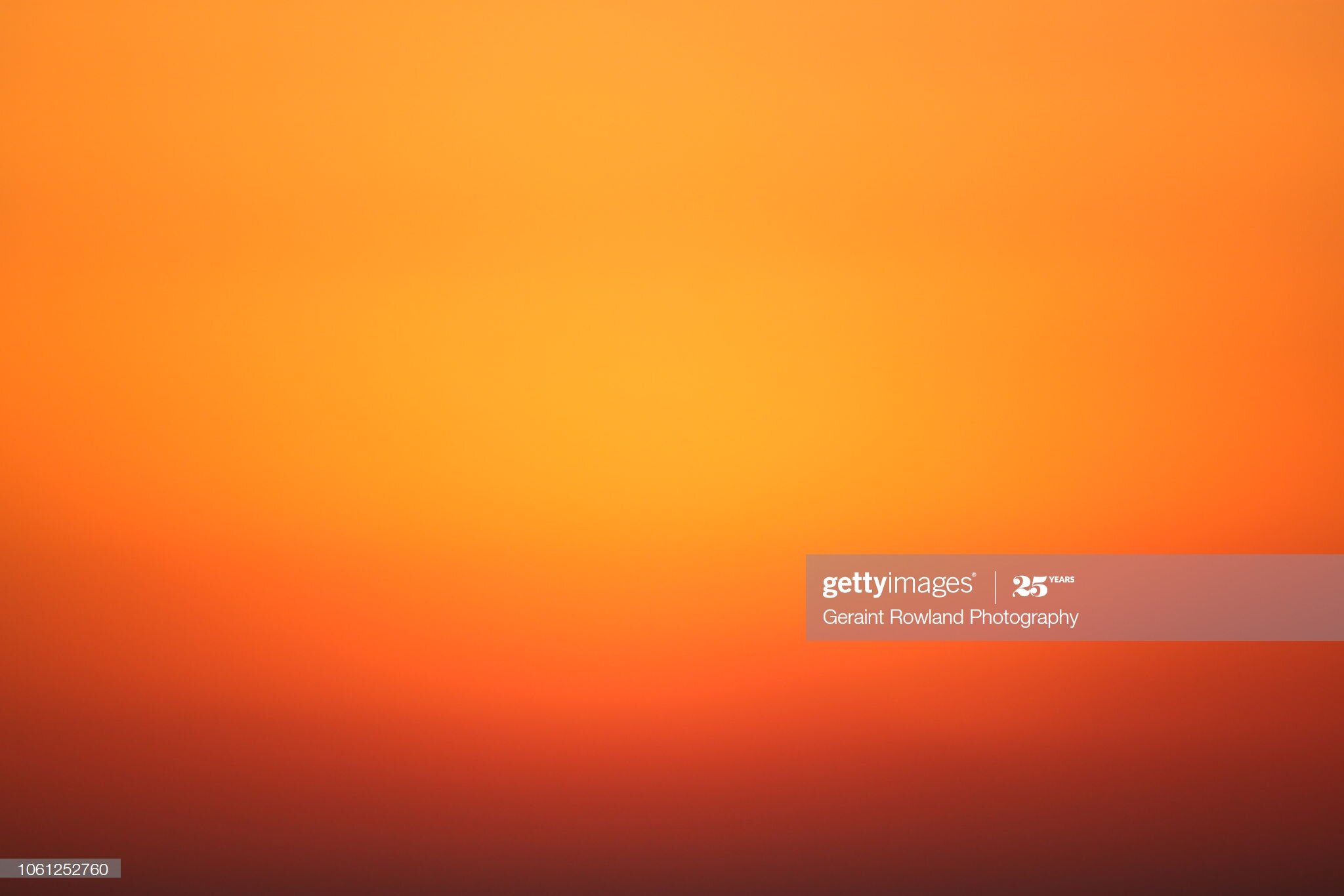
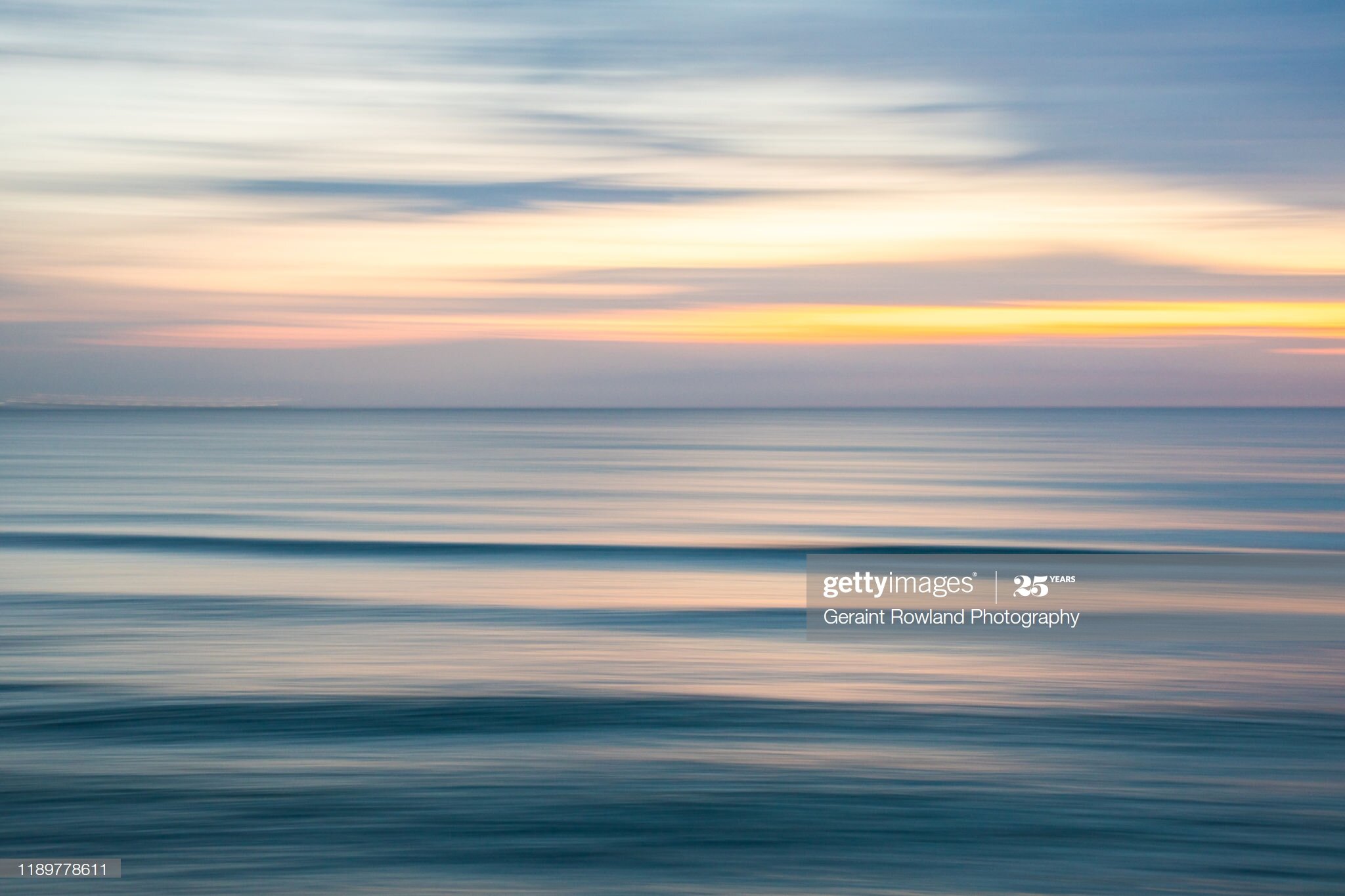
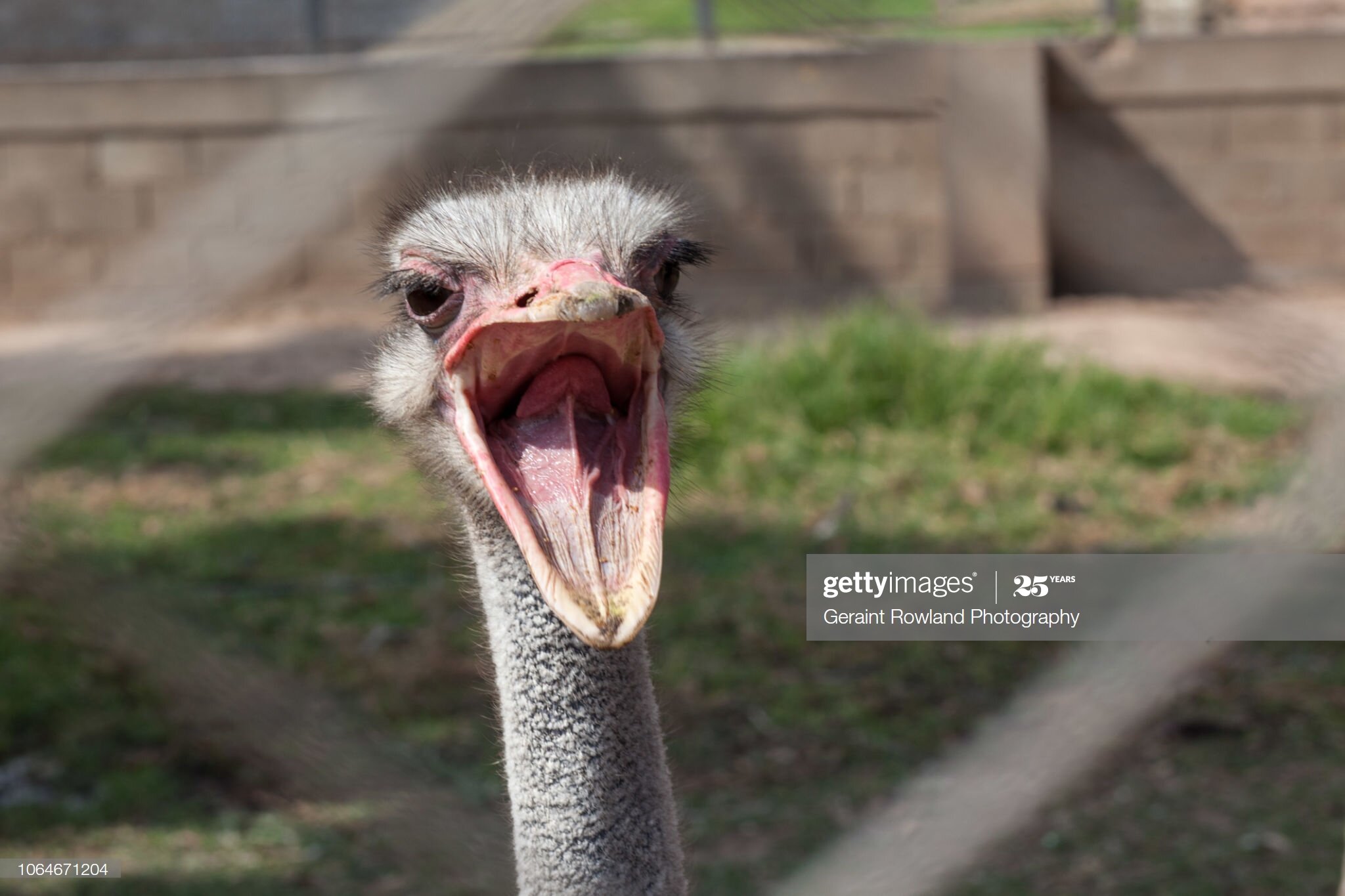
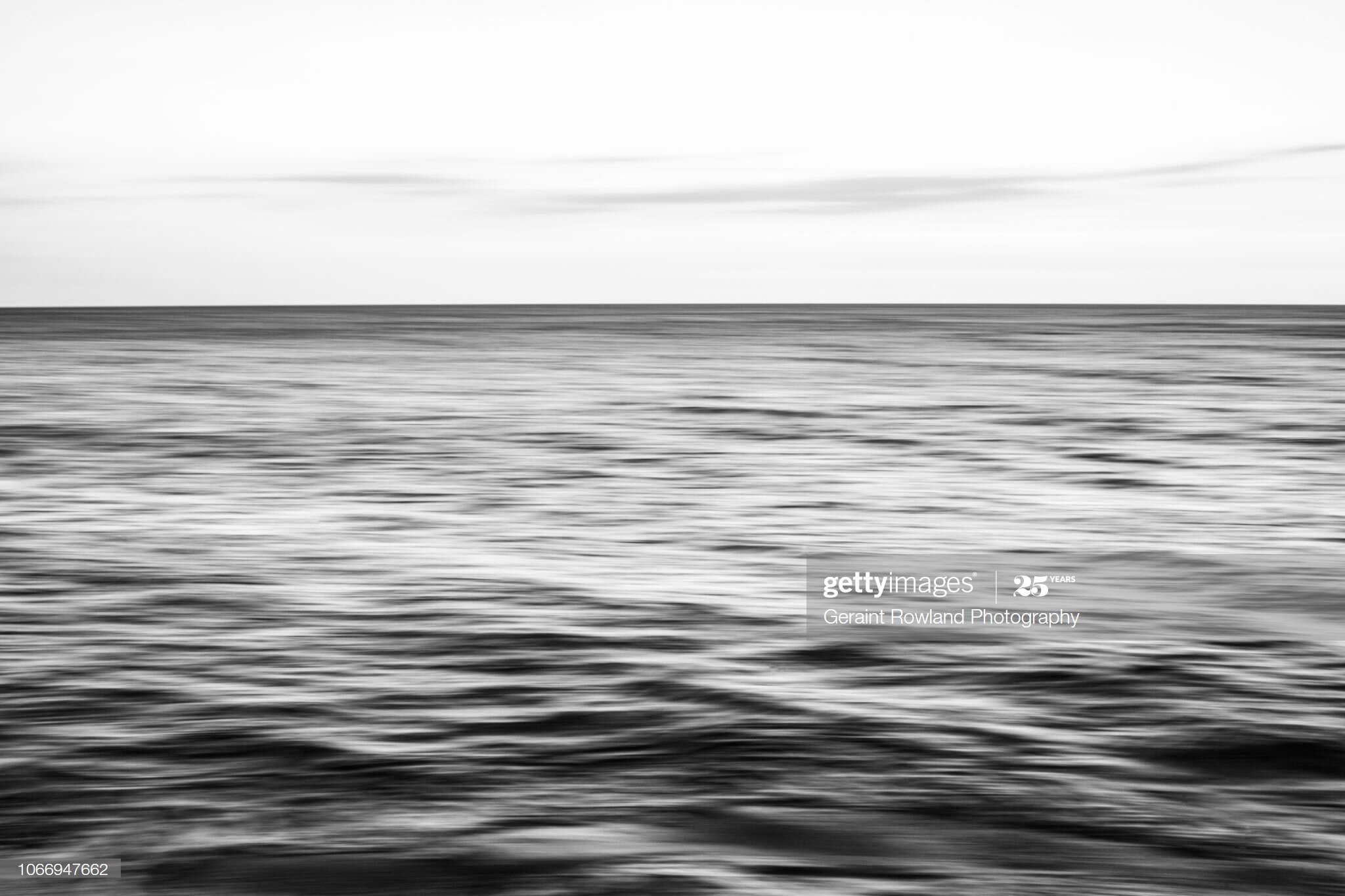
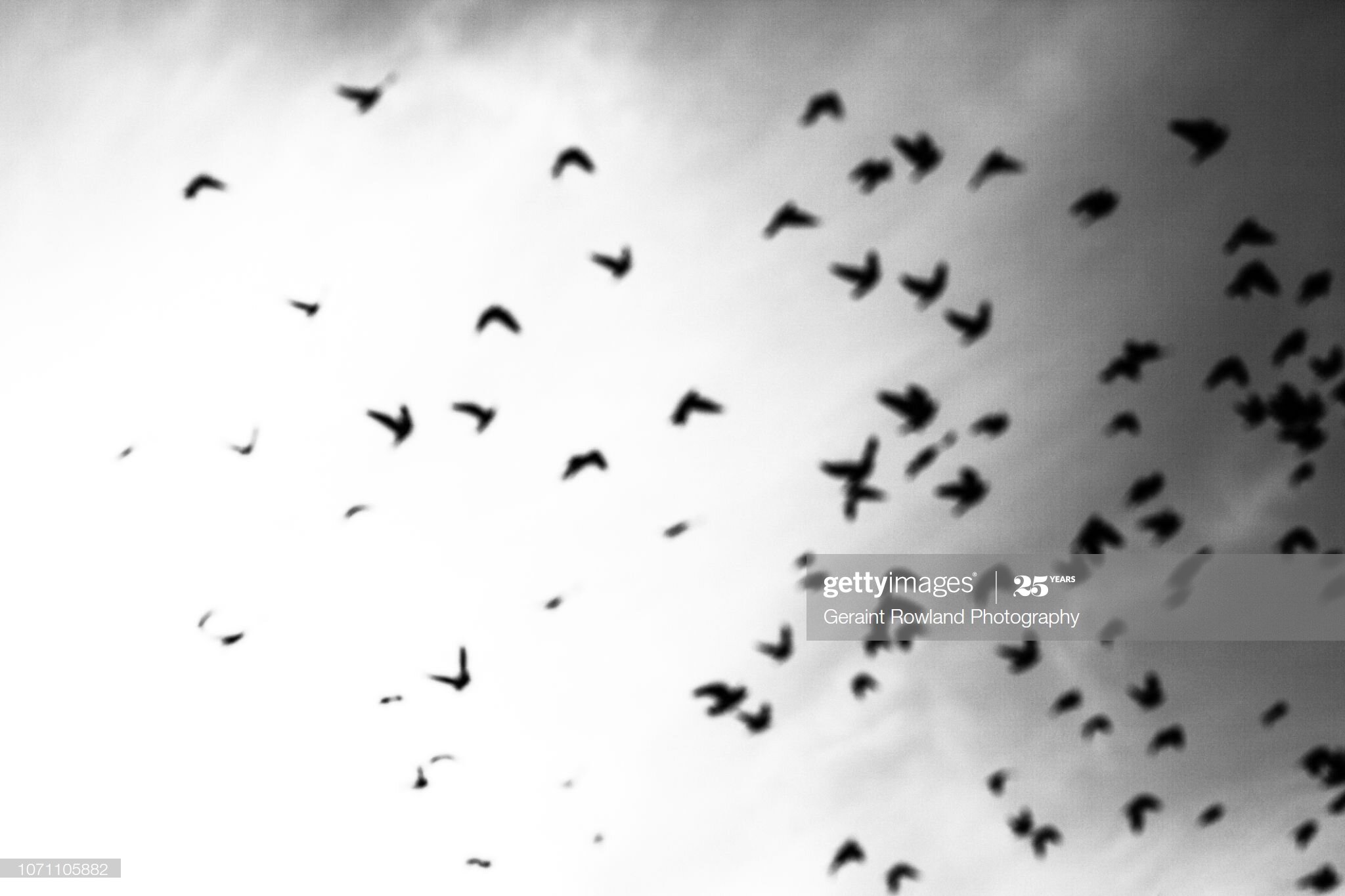
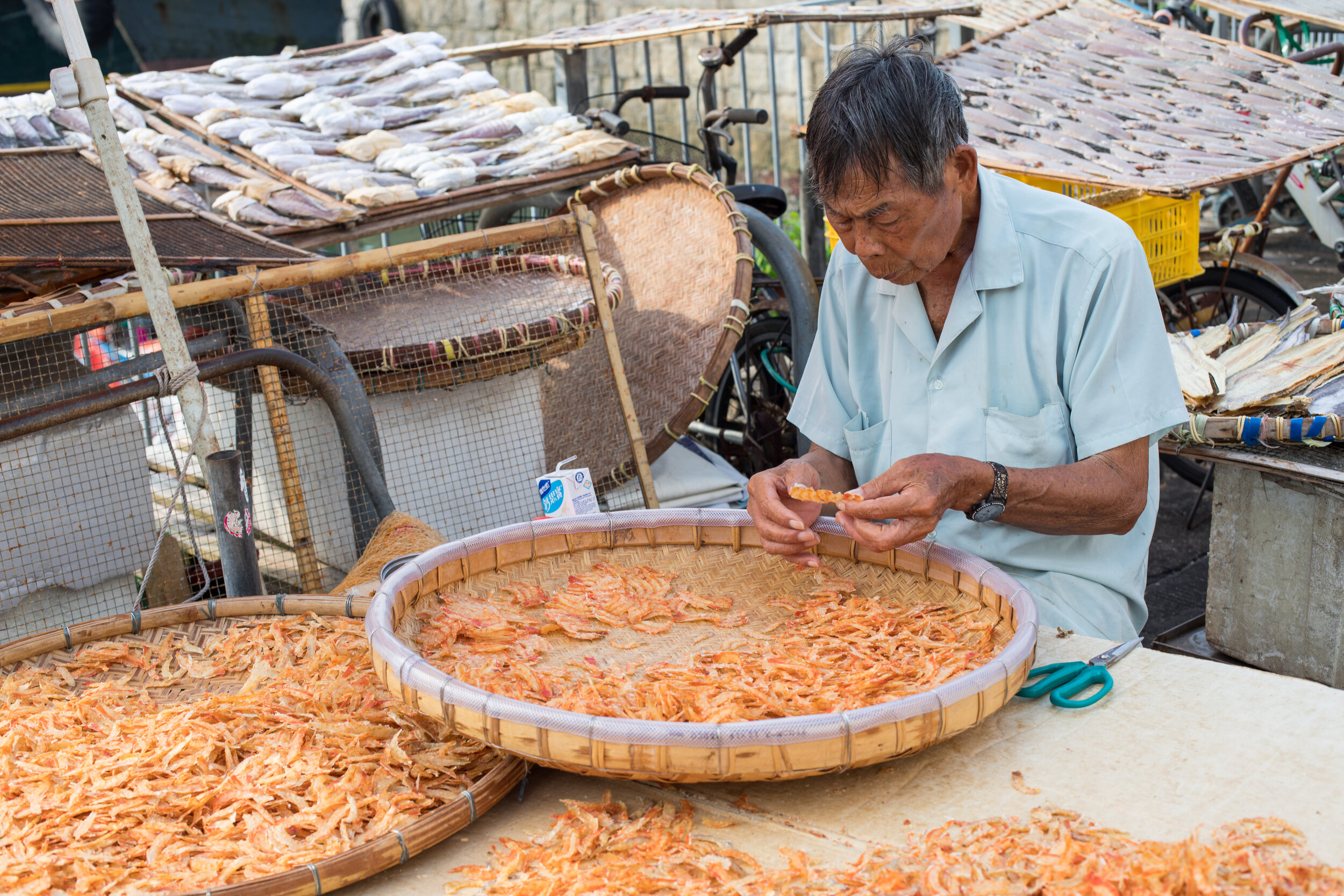
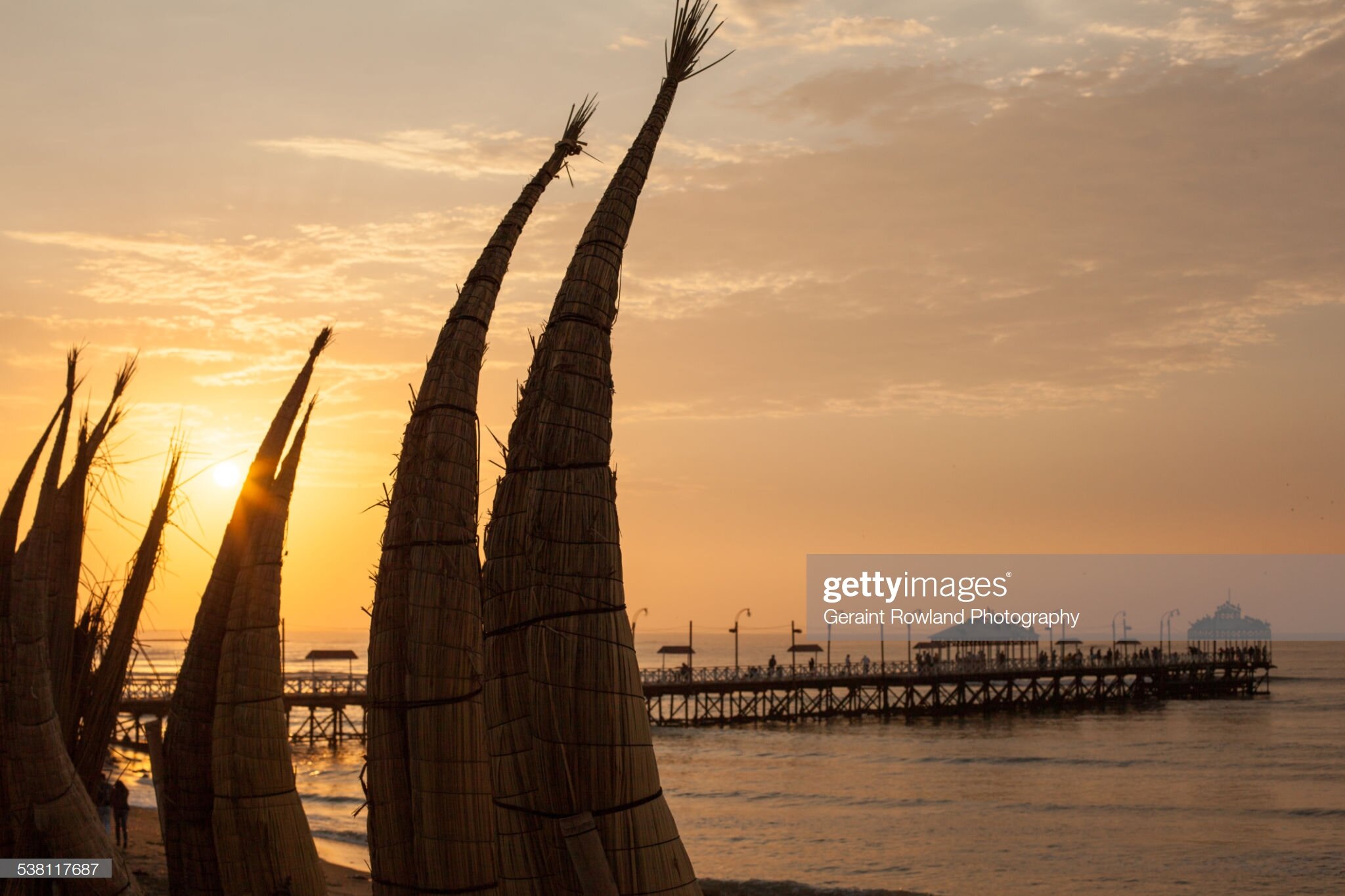
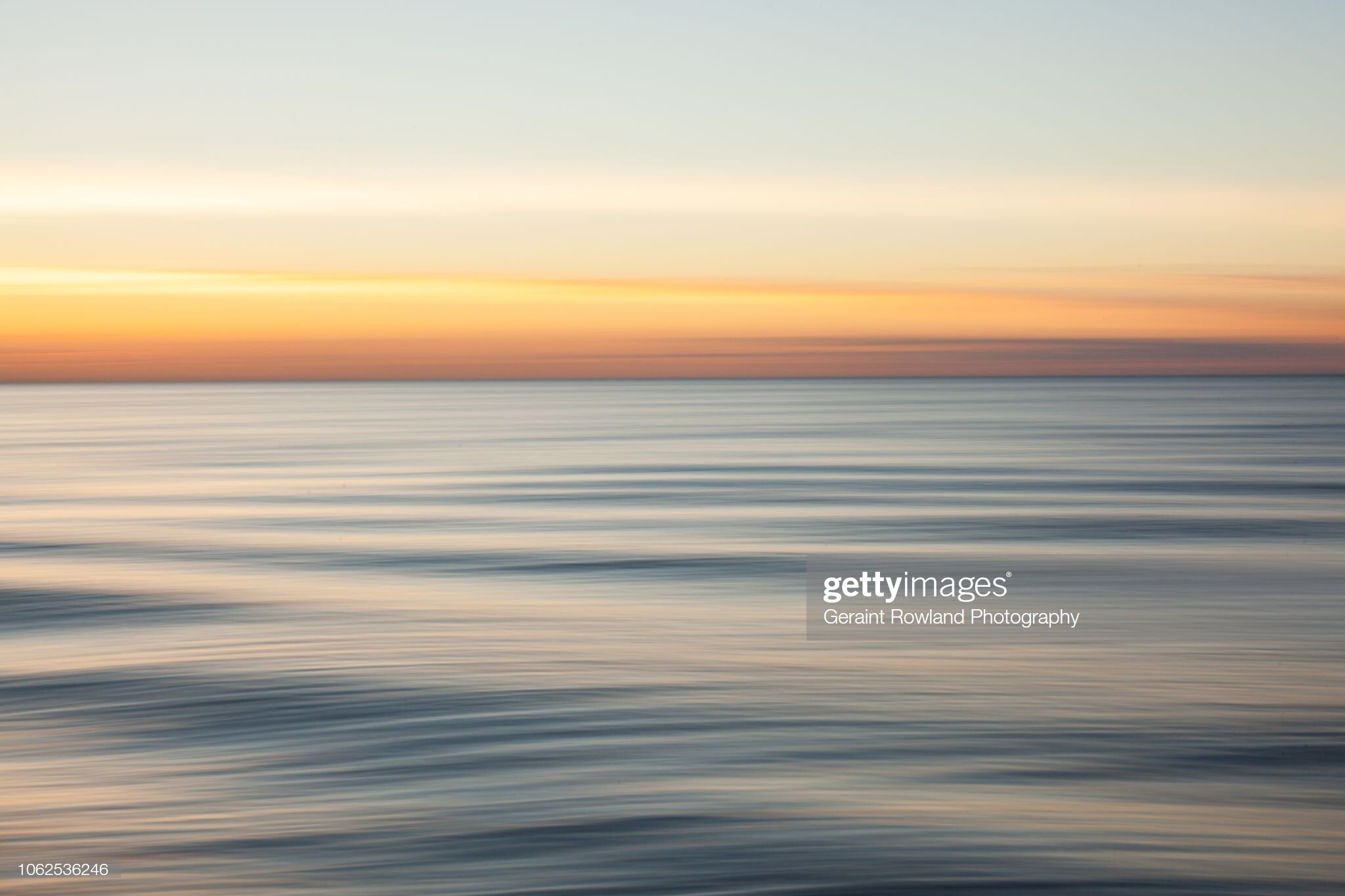
The month of February 2020 was my highest earning so far with Getty. I sold a total of 43 images resulting in a personal monthly revenue of $313.62 (Getty take 80% of the earnings).  February also saw my highest RPD (royalties per download) to date with a $7.29 average.  The first image in the slide show, Abstract sunset image taken in Cardiff, Wales earned me $80, not bad at all, if only they could all bring in that sort of revenue!  For the ocean abstract taken in Miami I received just under $65 and for the Ostrich just over $40.  Even the last photo in the slideshow, the black and white bird abstract made me $6, again not something I can complain about.  In contrast the bottom seven earners in February made me less than $0.50 each showing both the randomness of stock photography and the importance of making a few larger sales each month. All of this is completely out of your control and there is surely an element of luck involved here.

My entire Getty image collection, which is growing daily can be viewed here.  Uploading to Getty is a mundane and time-consuming process having to add Titles, Descriptions and keywords to each photo and often having photos declined requiring additional information before resubmitting.  However, I have noticed a steady increase in my monthly sales as my portfolio grows.  It can take a few months before photos that are accepted onto the Getty site seem to get viewed with the potential of them selling.  Making low sales of less than $0.50 although frustrating actually increases the chance of that image selling again and perhaps for more in the future.  Sold images get pushed up the search criteria for buyers whereas ones that don’t sell get pushed to the bottom of the pile hidden by thousands of other similar images.  In addition, I am having my sold images published in national newspapers, Lonely Planet publications and books which can’t be a bad thing.

Apparently, the glory days of stock photography are over with a surplus of photographers, a give-away attitude prevalent with the Internet as well as changing business models the World over.  However, I will continue to upload photos that I have sitting on hard drives, and when out shooting I will take images that I believe to be stock friendly: photos that require no model or property releases, images that can be used for backgrounds and so on.

My stock images available on Getty can be viewed here. More of my travel photography can be found on my website, my Instagram, and my Flickr account. If you would like any more information about my photography send an email to: geraintrowlandphotography@gmail.com.

Street Photography in Hong Kong & Macau

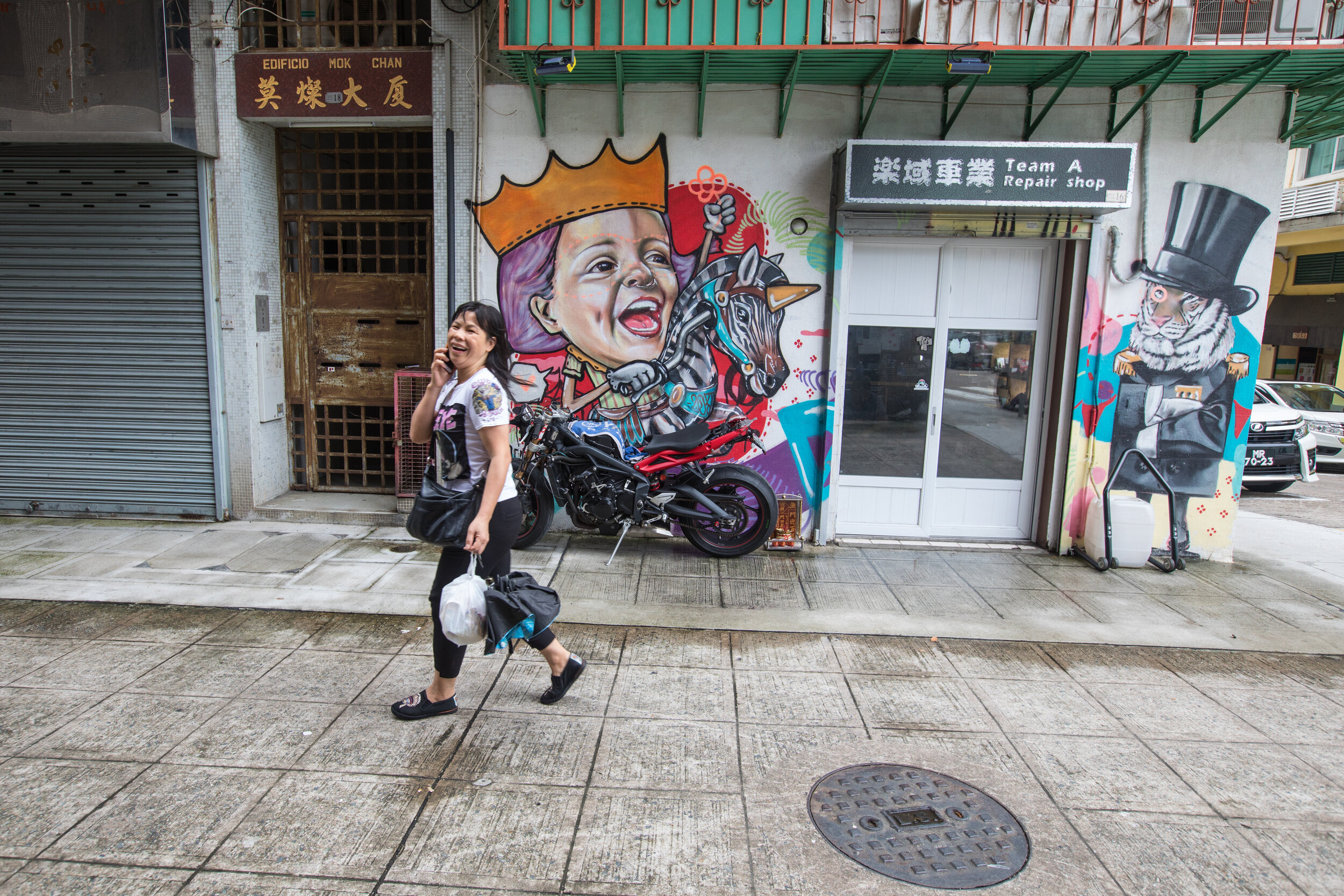
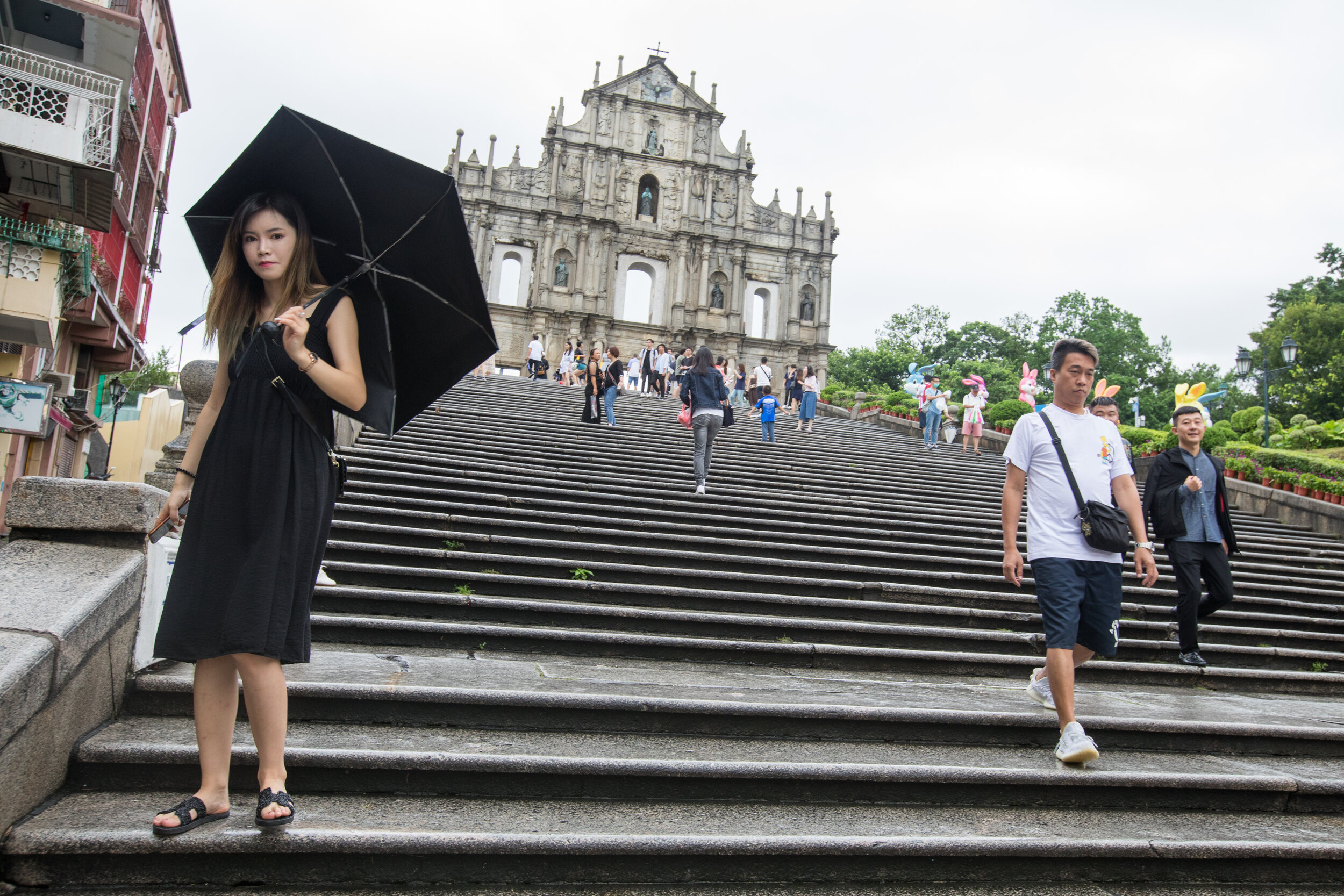
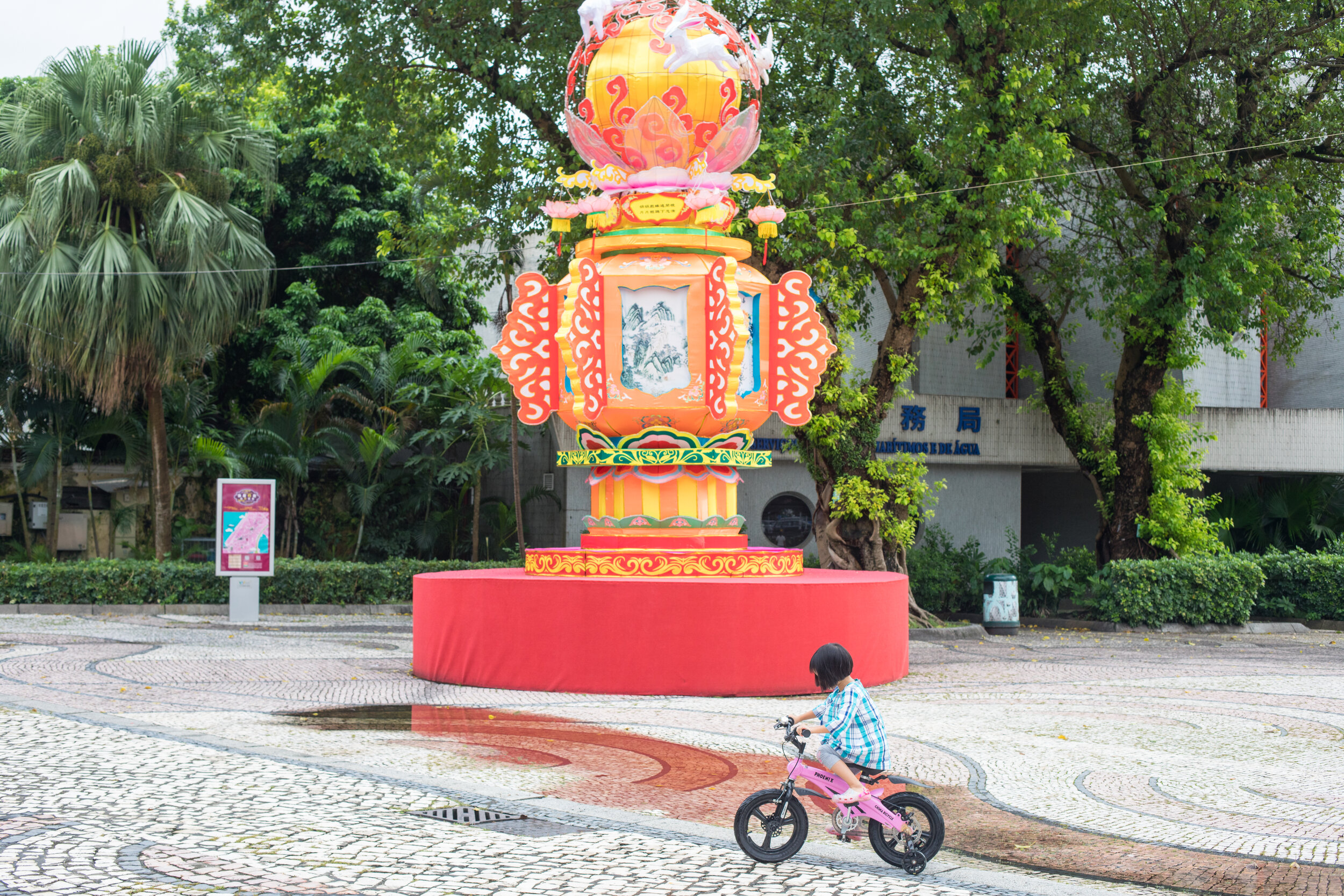
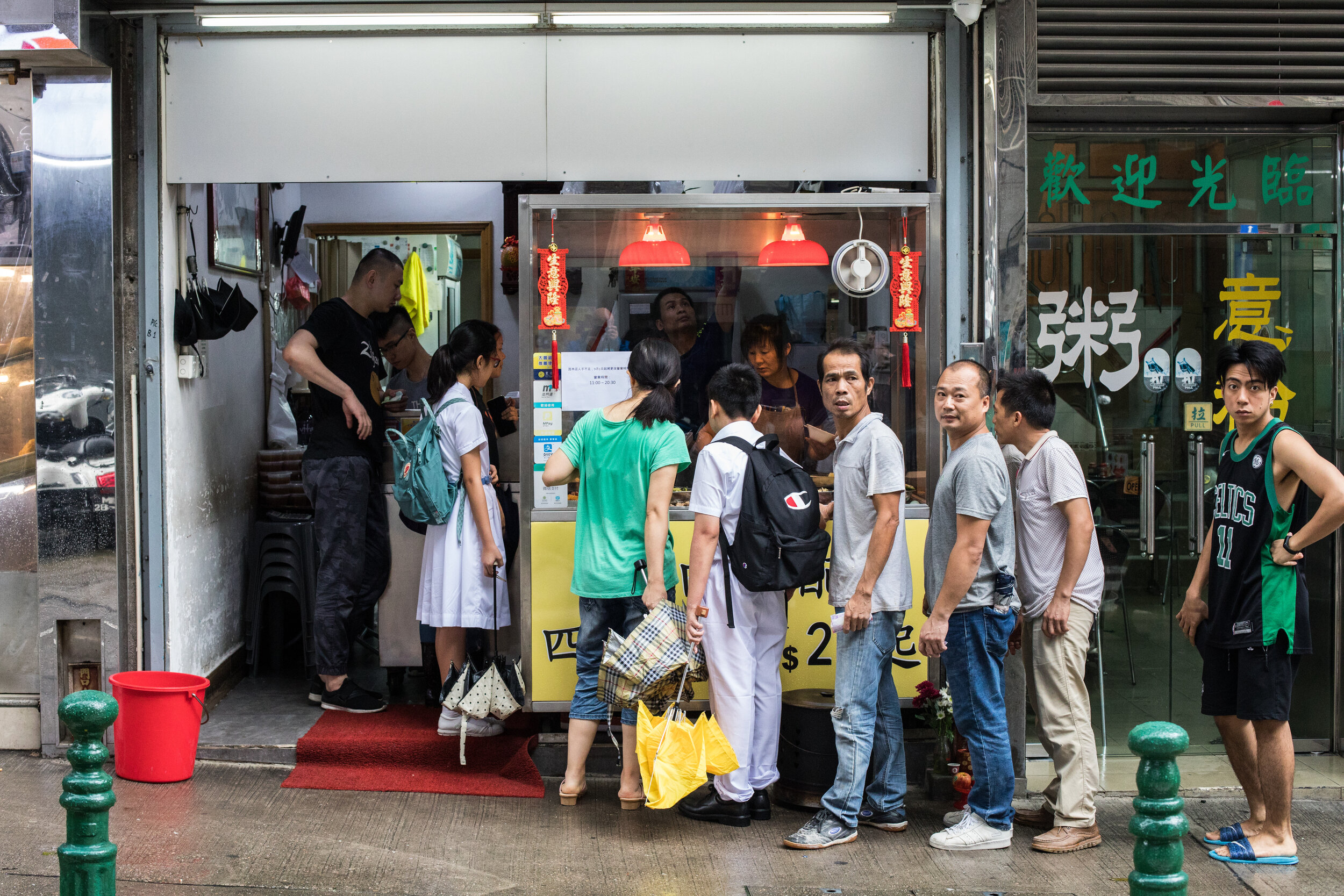
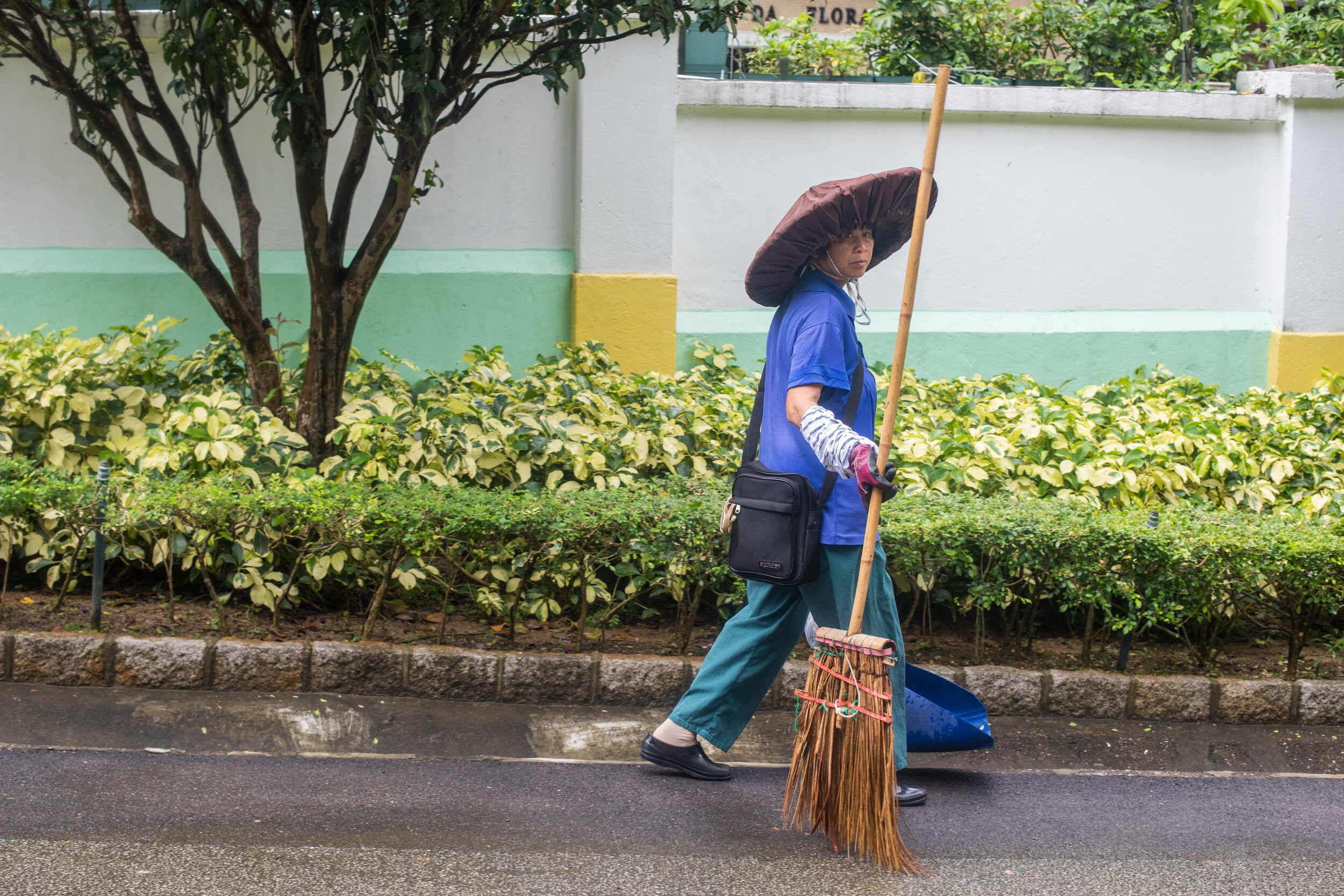
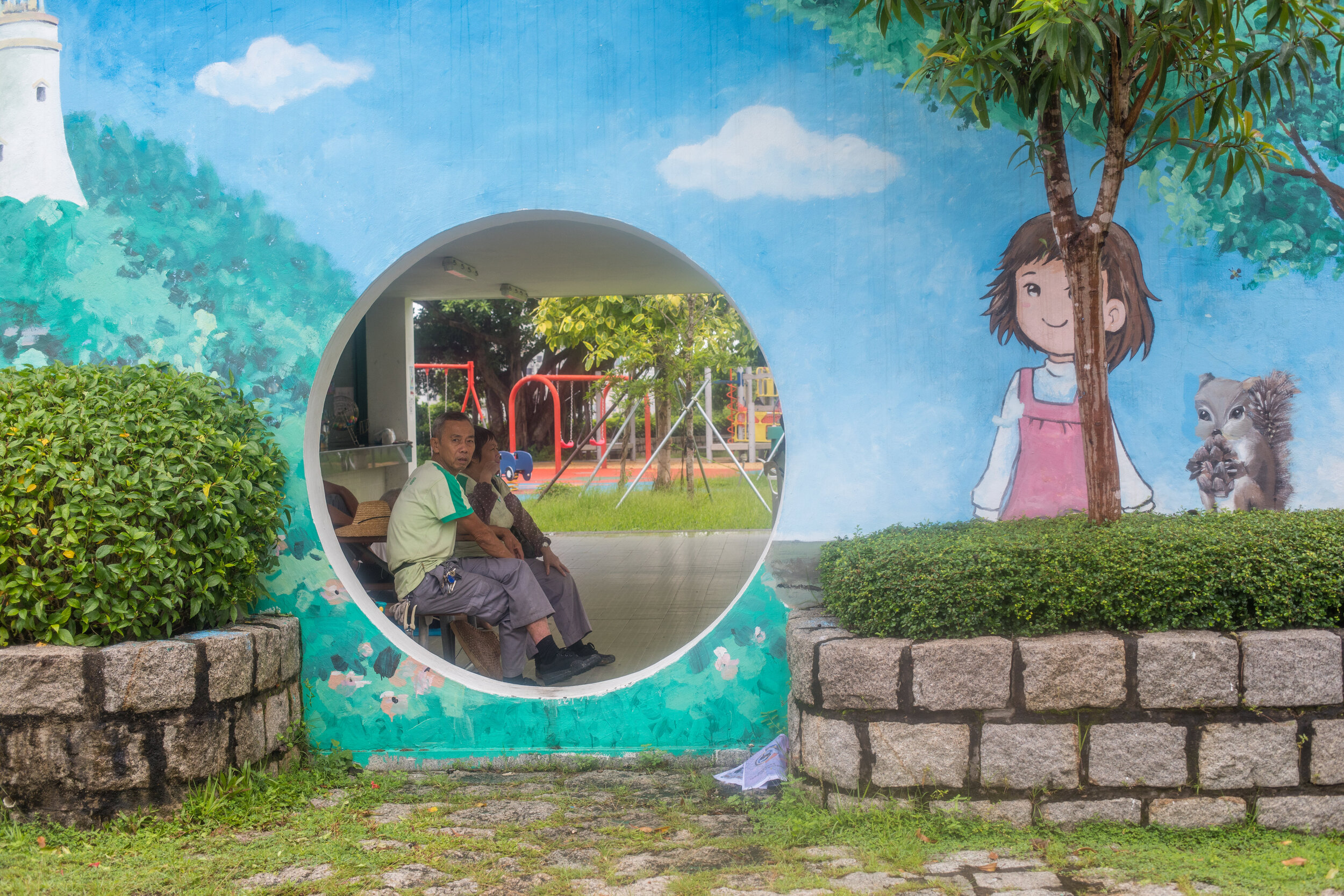
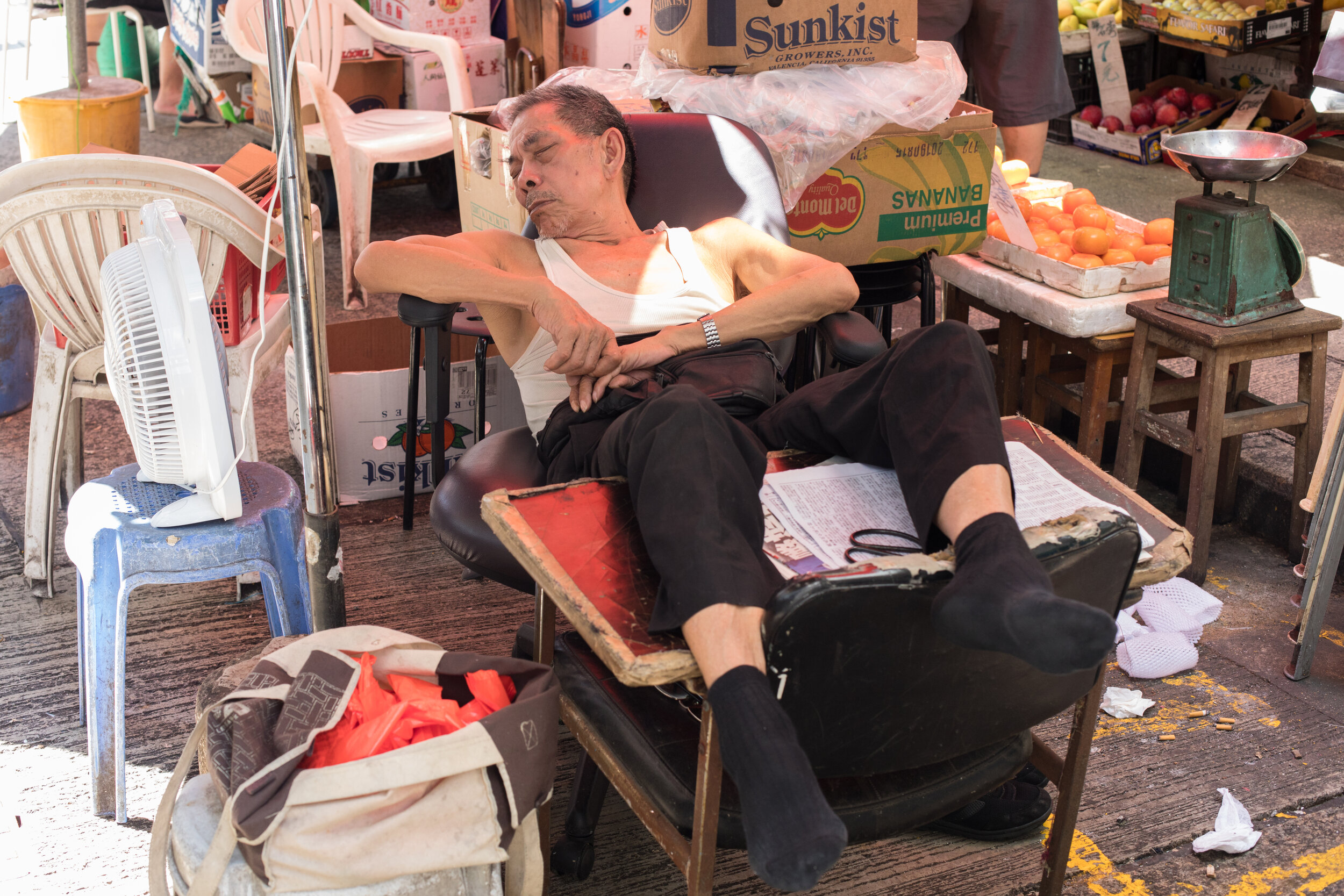
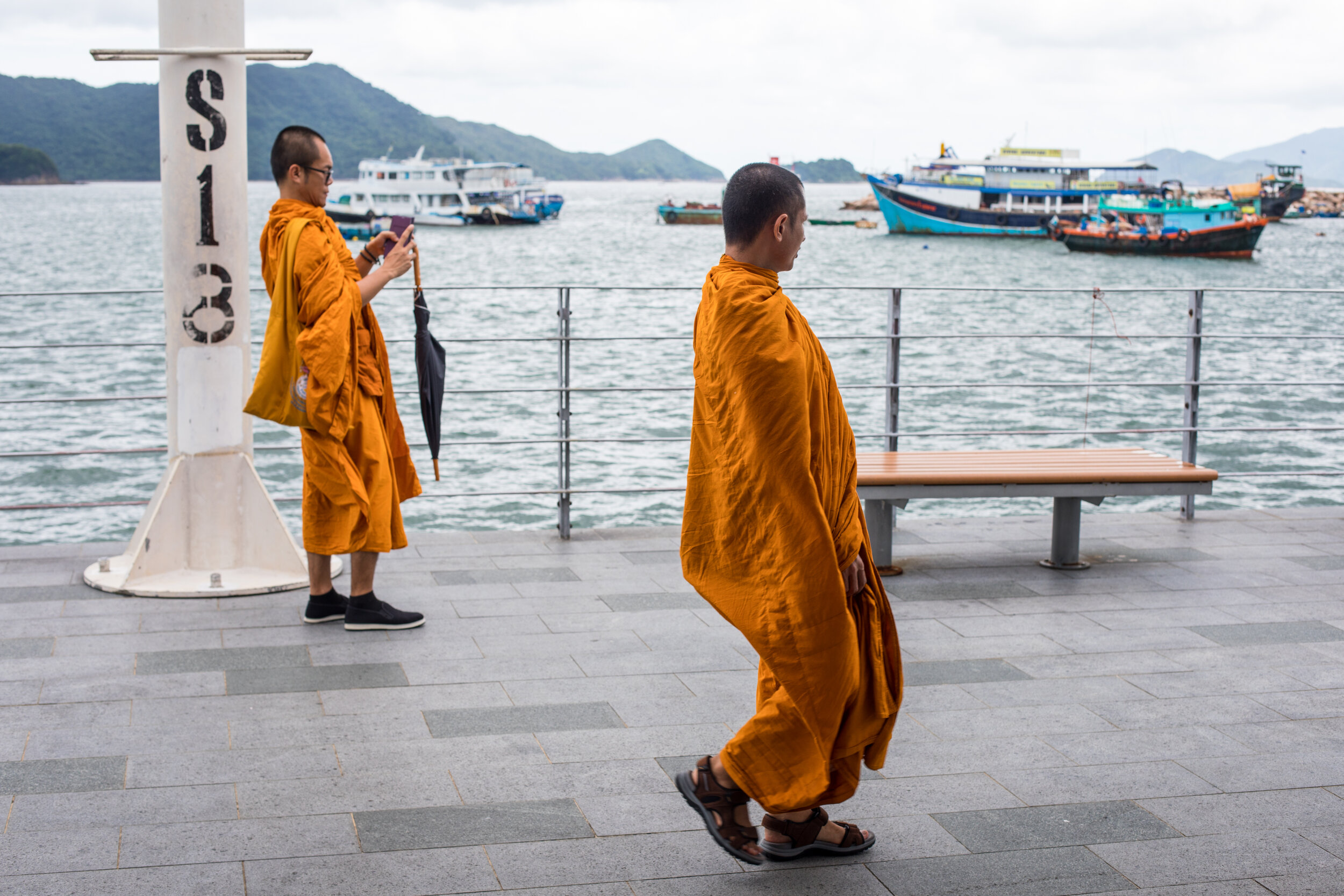
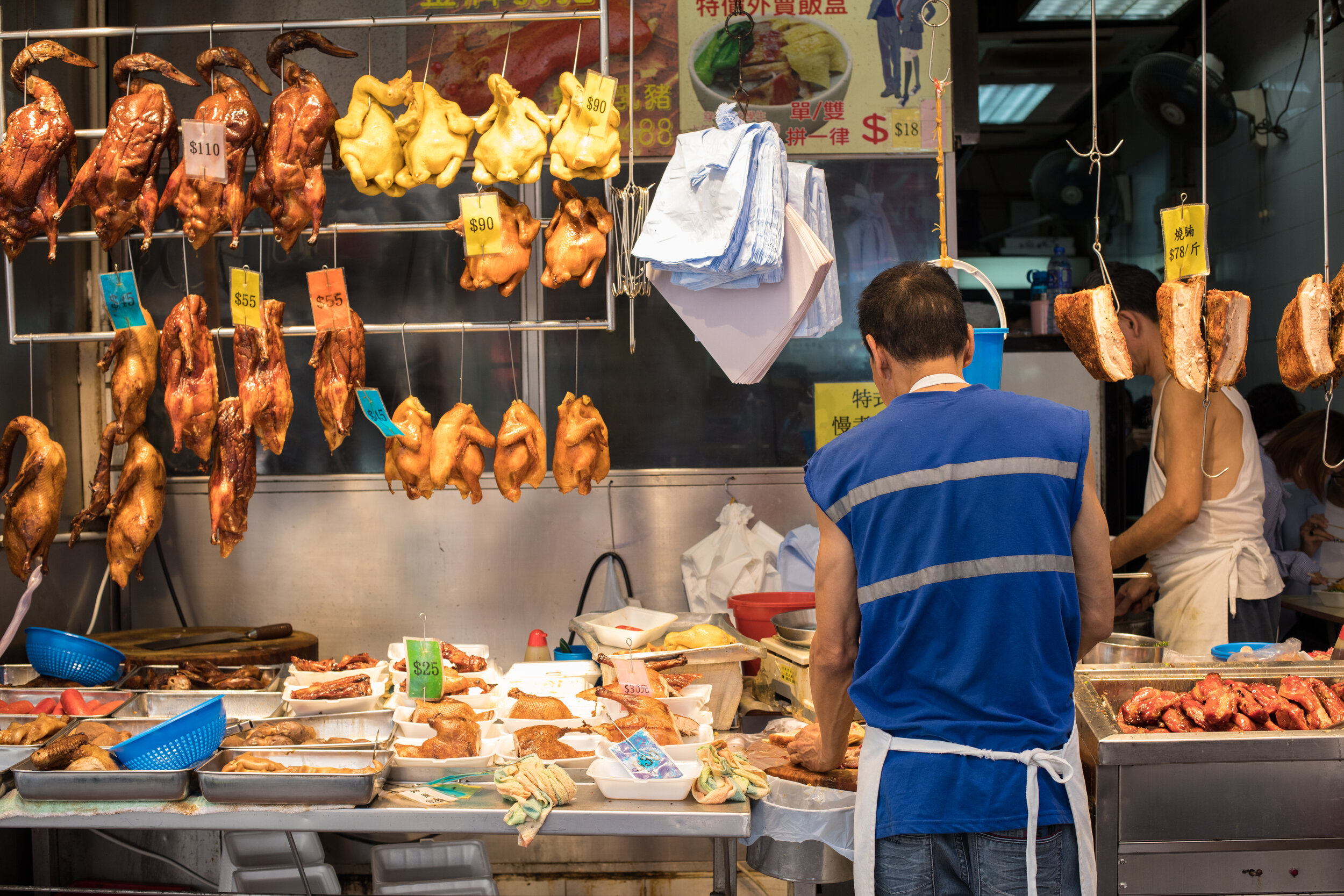
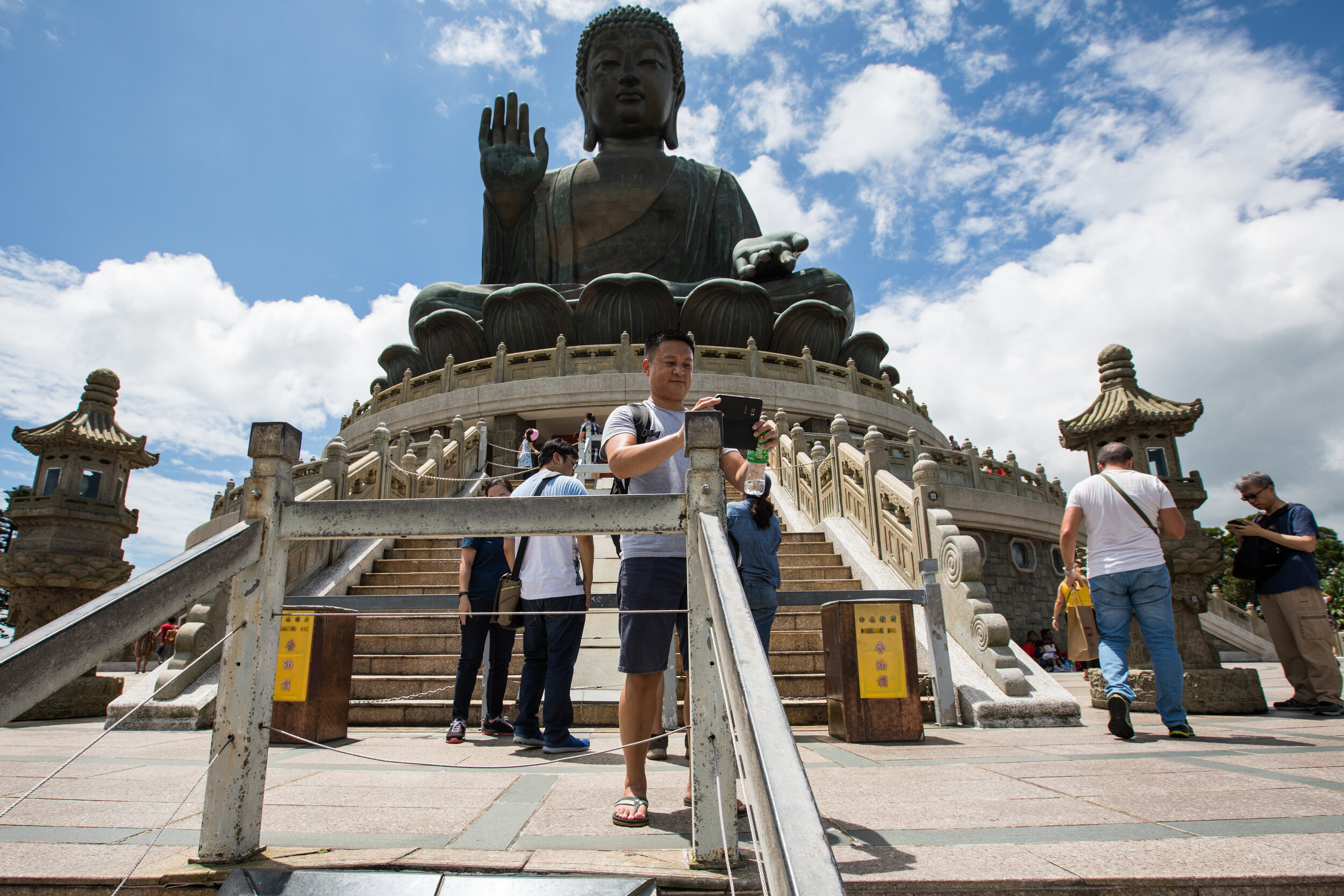
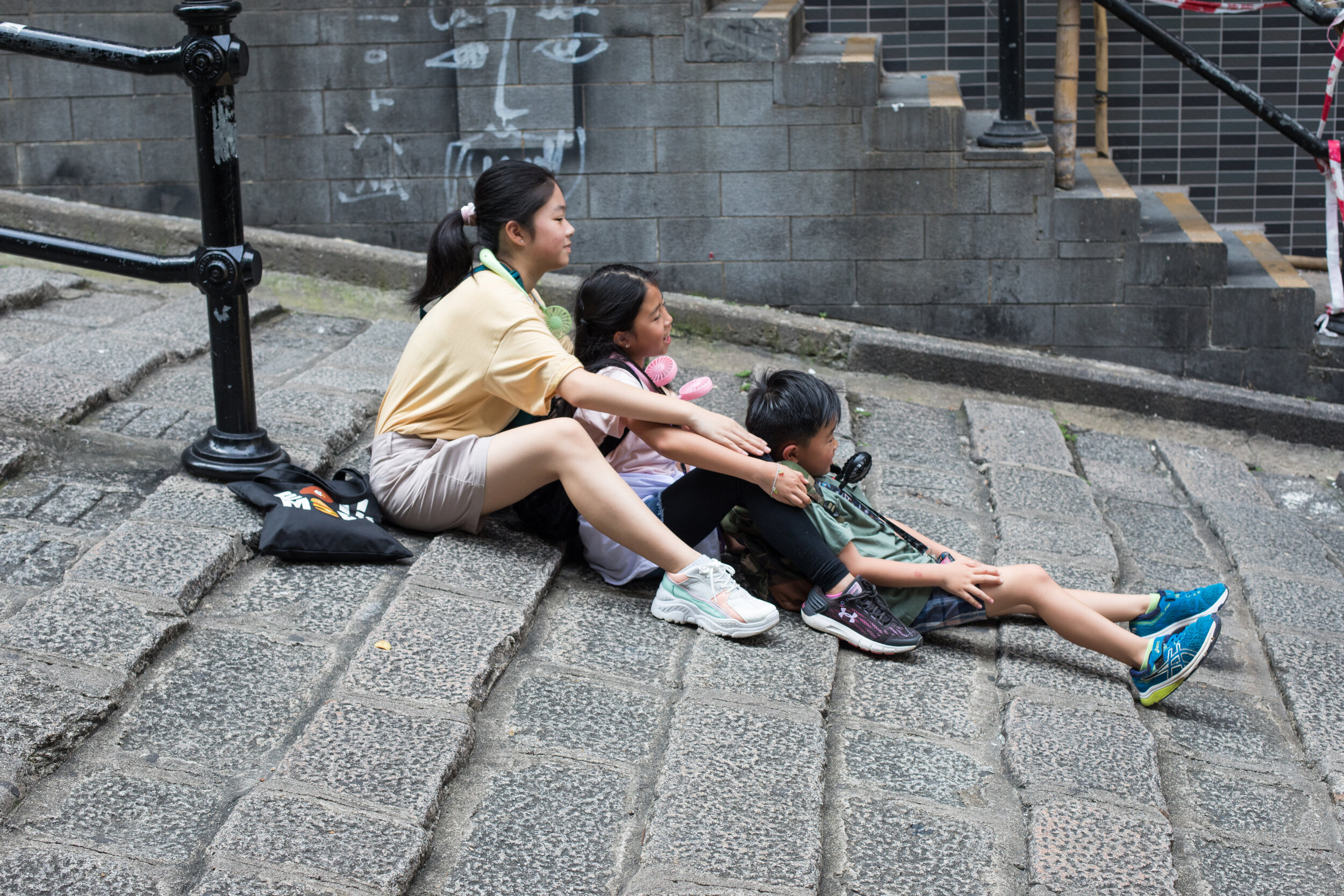
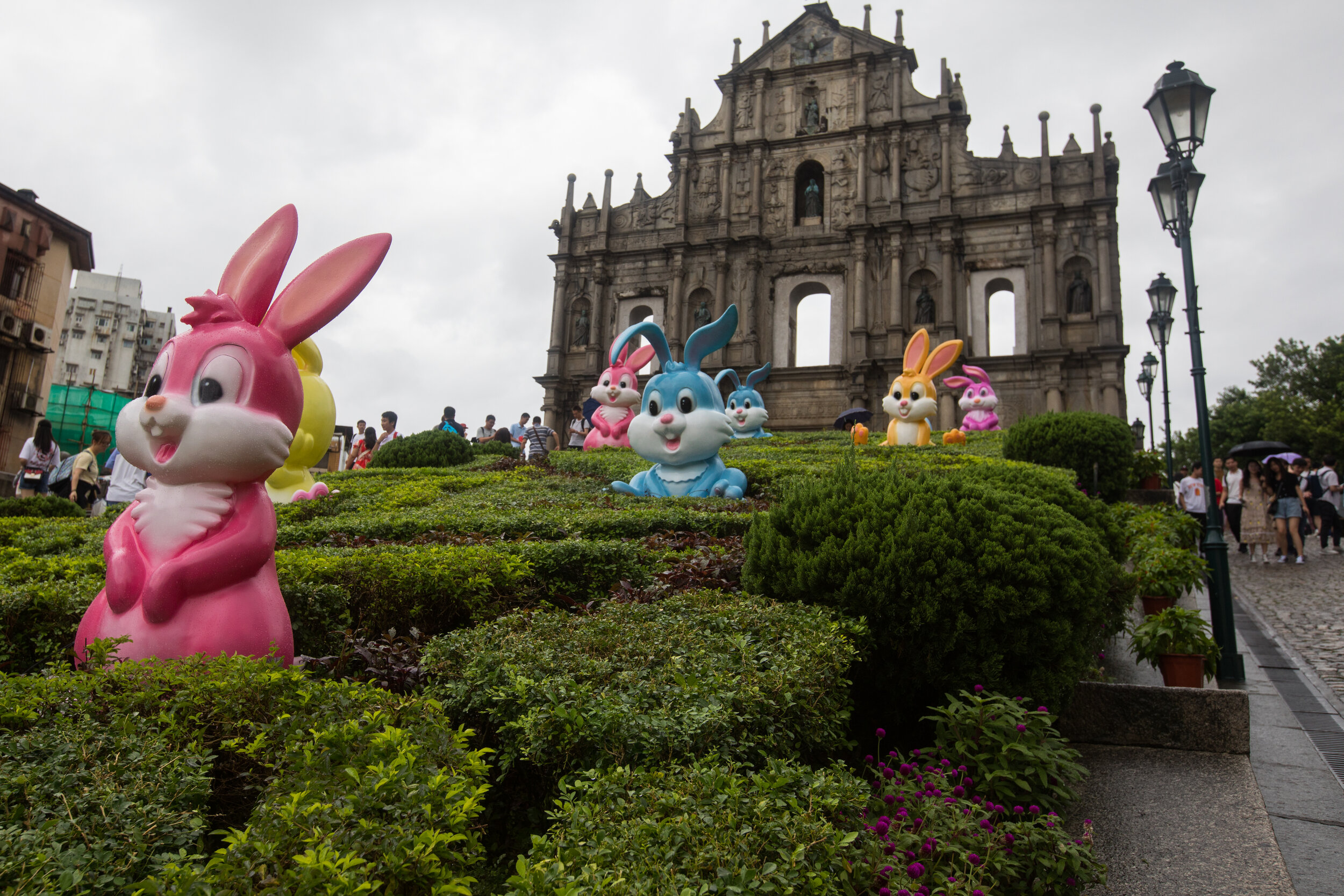
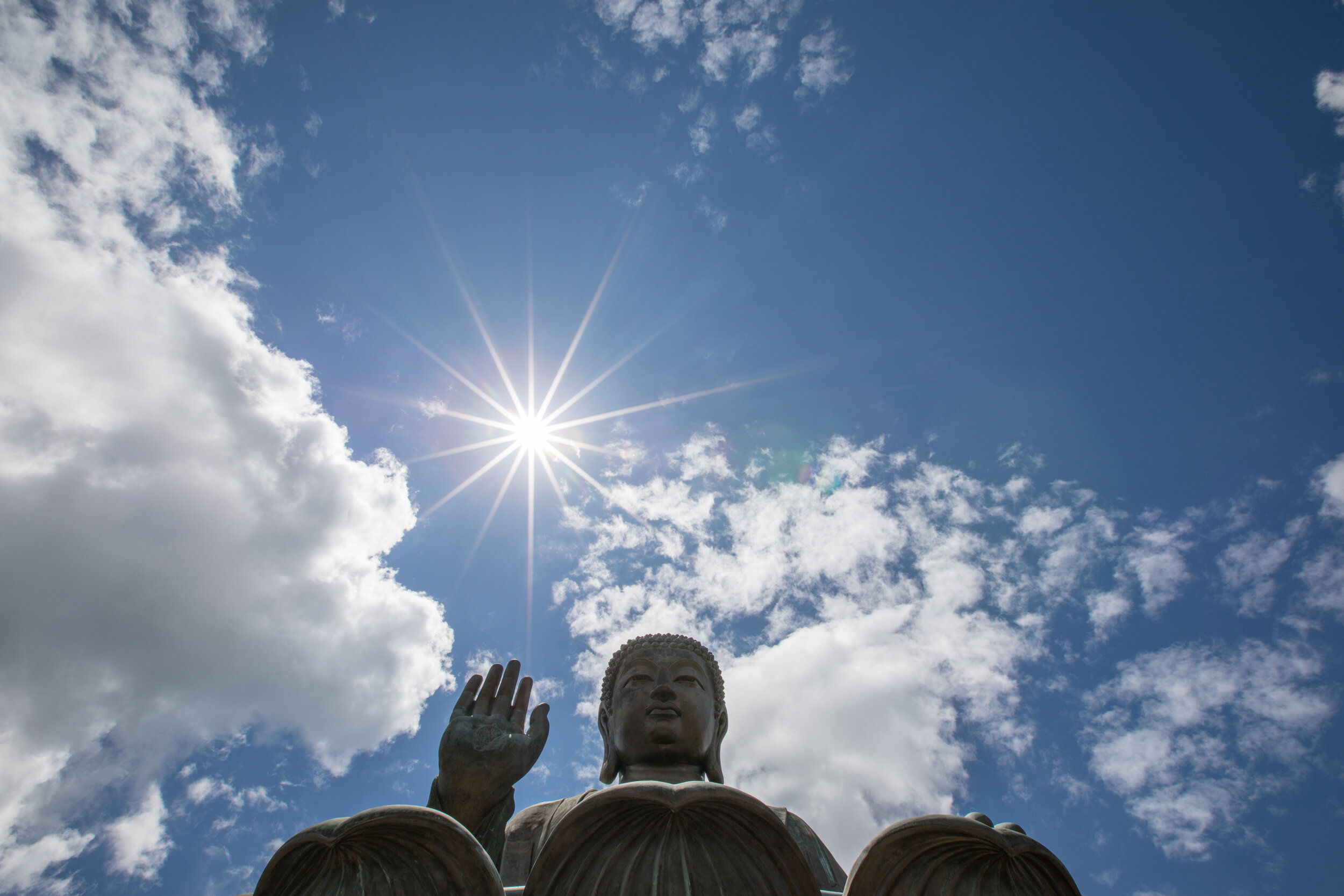
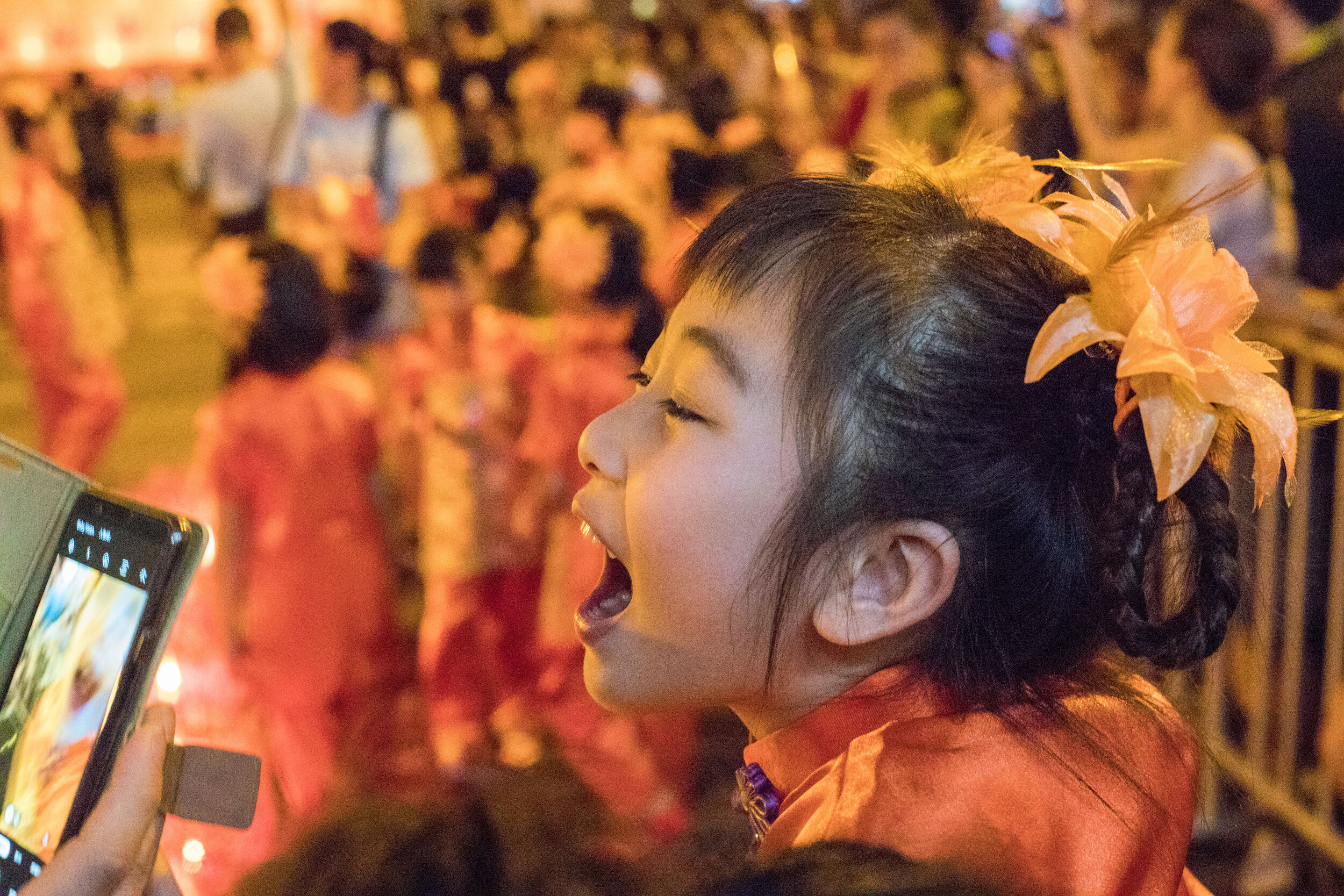
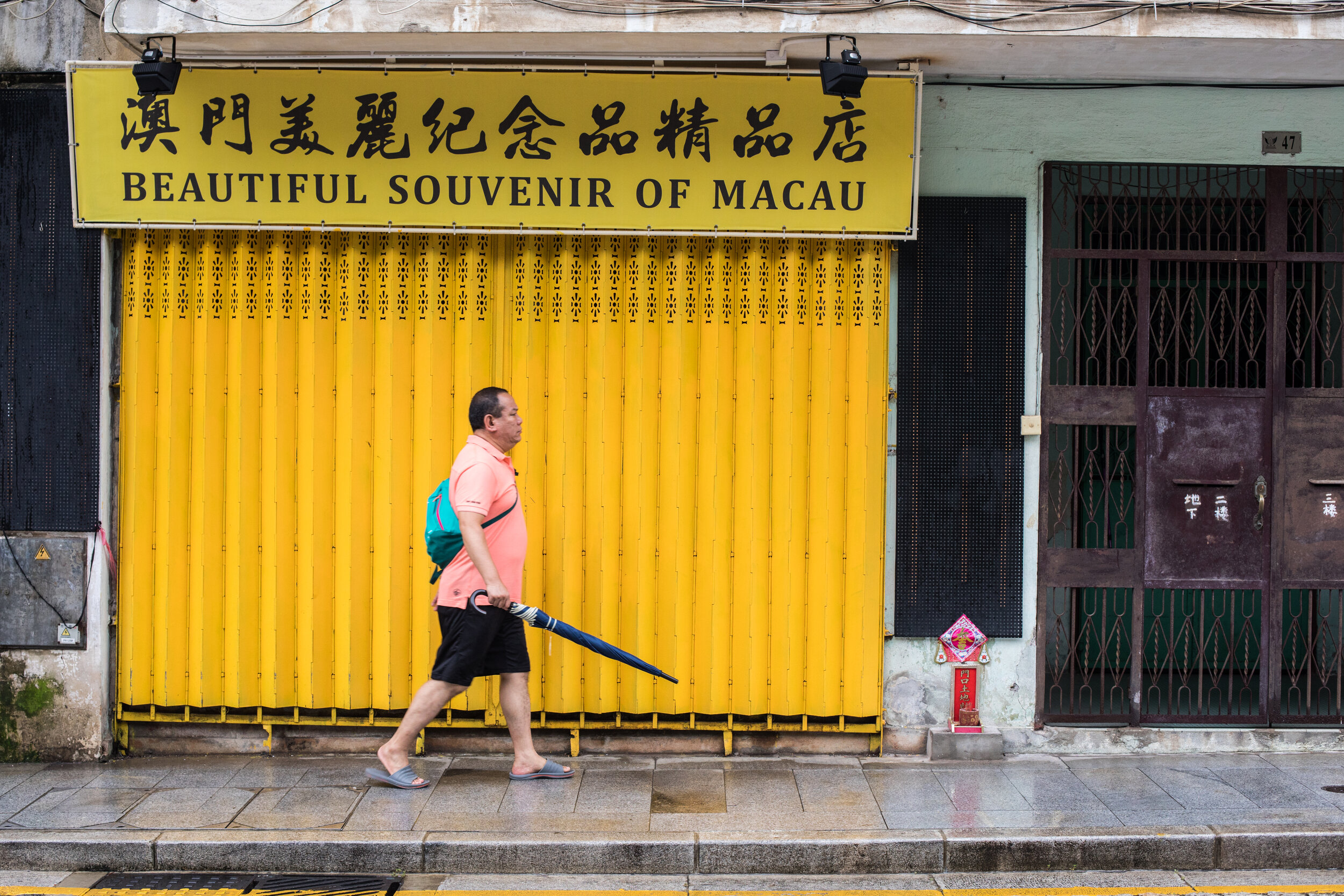
In September of last year I visited Macau and Hong Kong, as part of a prize for winning the Wanderlust Travel Magazine photo of the year competition in 2018. As part of the competition I had to take some travel photos for both the Macau and Hong Kong tourist boards as well as the Wanderlust Travel Magazine itself. I wrote a previous blog with some of these tourist friendly photos of iconic sites including the Tia Tan Buddha in Hong Kong and the waterfront of Macau. In addition to taking nature and landscape images on my travels I also always enjoy street photography. By exploring the streets whilst travelling you discover interesting images around every corner. At the tourist attractions themselves I find the addition of a person to the frame can add some interest or humour to the photo. Capturing candid moments whilst on my travels also provides me with the best travel memories of a place. Click through the slideshow below to view some of street images I captured in Macau:

I was only in Macau for a few days unfortunately and the weather during that time was terrible: heavy rain, grey skies and high humidity making photography tricky! However, in Hong Kong the weather was much more favourable with sunshine and blue skies making it possible to capture far more photos than I did whilst in Macau. Click through the slideshow below to view some of street images I captured in Hong Kong:

My travel images available on Getty can be viewed here. More of my travel photography can be found on my website, my Instagram, my Facebook Page and my Flickr account. If you would like any more information about any of my images please send an email to: geraintrowlandphotography@gmail.com.

Geraint Rowland Photography Getty Sales, October

Over the last few months I have been spending a large amount of time increasing my stock photography portfolio on Getty images. In October of last year I wrote a blog about my experience with Getty titled, ‘Geraint Rowland on Getty Images’. At the time of writing the blog I had around one thousand images available for licence via Getty which was double the amount that I had a year before. I now have over five thousand images for licence and am attempting to upload more whenever I have some free time. Payday for stock photography via Getty is on the 20th of each month. September’s sales being paid on the 20th of October, October’s sales being paid for on the 20th of November and so on. The easiest way to analyse and view these sales is using the 3rd party website, Today is Twenty. Here are my top seven earning images via Getty in October 2019, they are in order of money I received with the first image gaining me the most. Click through the slideshow below:

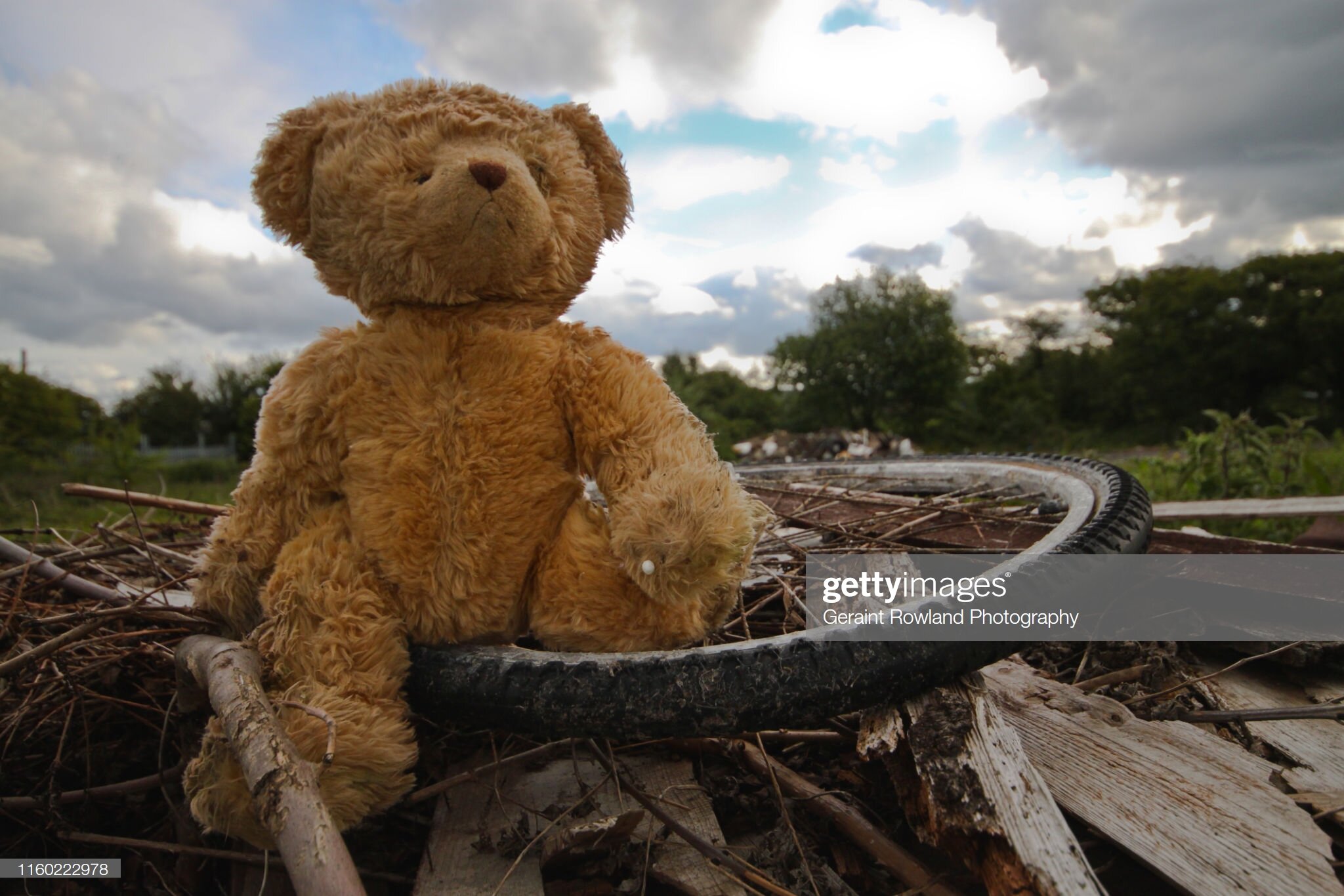
In total in October I sold 48 images via Getty resulting in a personal revenue of $196.04 with an average of $4.08 per image. The first image in the slide show earned me $70.88, the teddy bear $59.24 and the remainder in the slideshow $5 - 10 each. A large number of my sales netted me less than $1 per image, a micro-stock price that would be ok if they were sold in large numbers but unfortunately they did not. My entire collection of images licensed by Getty in October can be viewed here. I have noticed that my monthly payout is steadily increasing as my portfolio grows. It can take a few weeks before newly submitted photos get seen on the system. Images that sell once do seem to sell again as they get pushed up the search criteria for buyers. Listening to the regular and lifetime sellers on the Getty Contributors bulletin board, they general consensus is that the glory days of stock photography are over, stock photographers are now selling more images and earning less than even a year ago.

However, from a personal perspective it is worth me carrying on as I have hundreds, if not thousands of potential sellers on old hard drives that can be uploaded. I believe a key to regular income with stock photography is regularly uploading a variety of images. On my latest travels in both Budapest, Hungary and Kyiv, Ukraine I started to take more stock friendly type images purely for this purpose. With this I mean images that can be easily uploaded without any legal issues, images that do not contain people, personal property or anything with a trademark. I am also going back through old hard drives and editing and uploading images which I now believe could be used for stock photography purposes.

My travel images available on Getty can be viewed here. More of my travel photography can be found on my website, my Instagram, my Facebook Page and my Flickr account. If you would like any more information about any of my images please send an email to: geraintrowlandphotography@gmail.com.
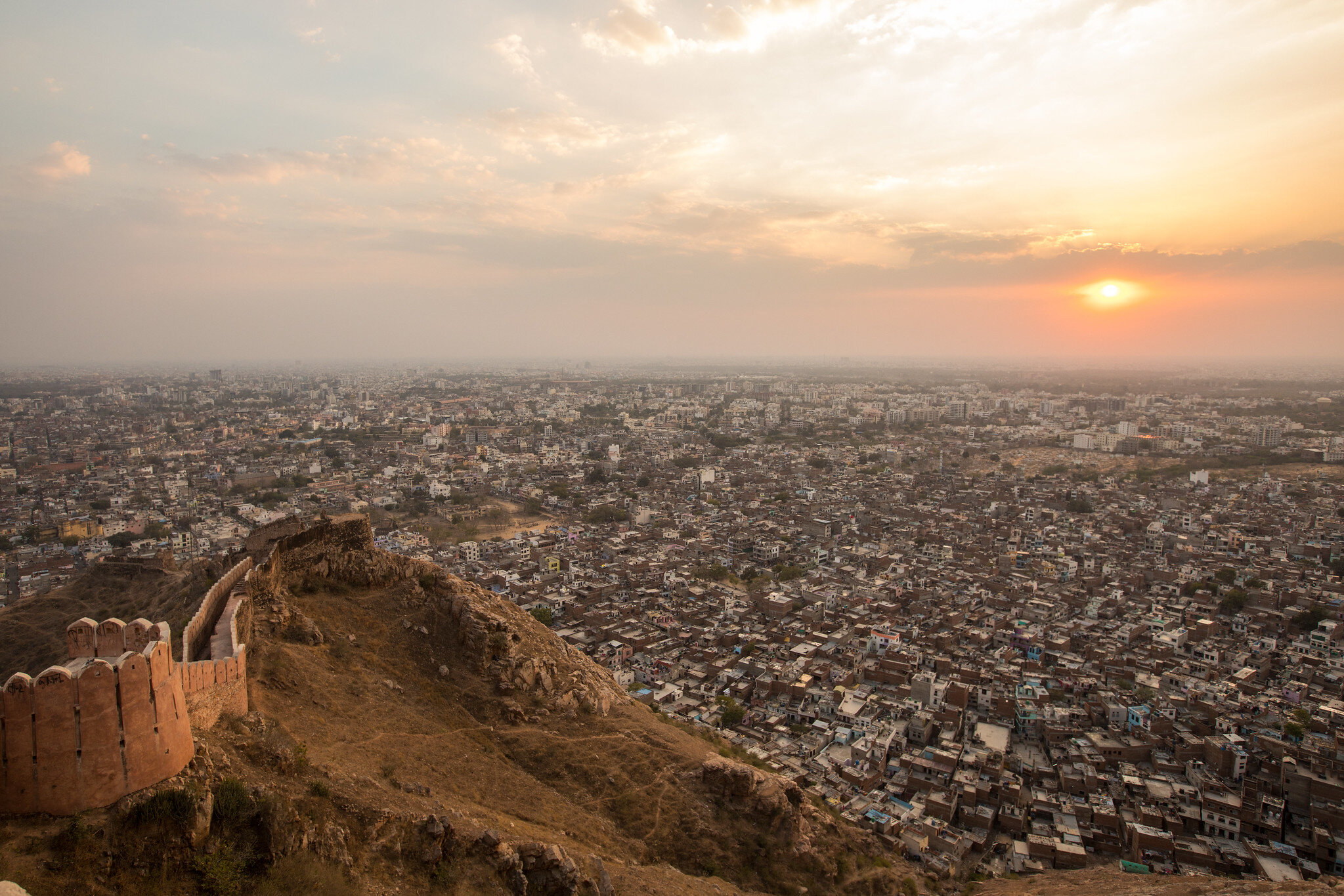
Travel Photography in Macau and Hong Kong

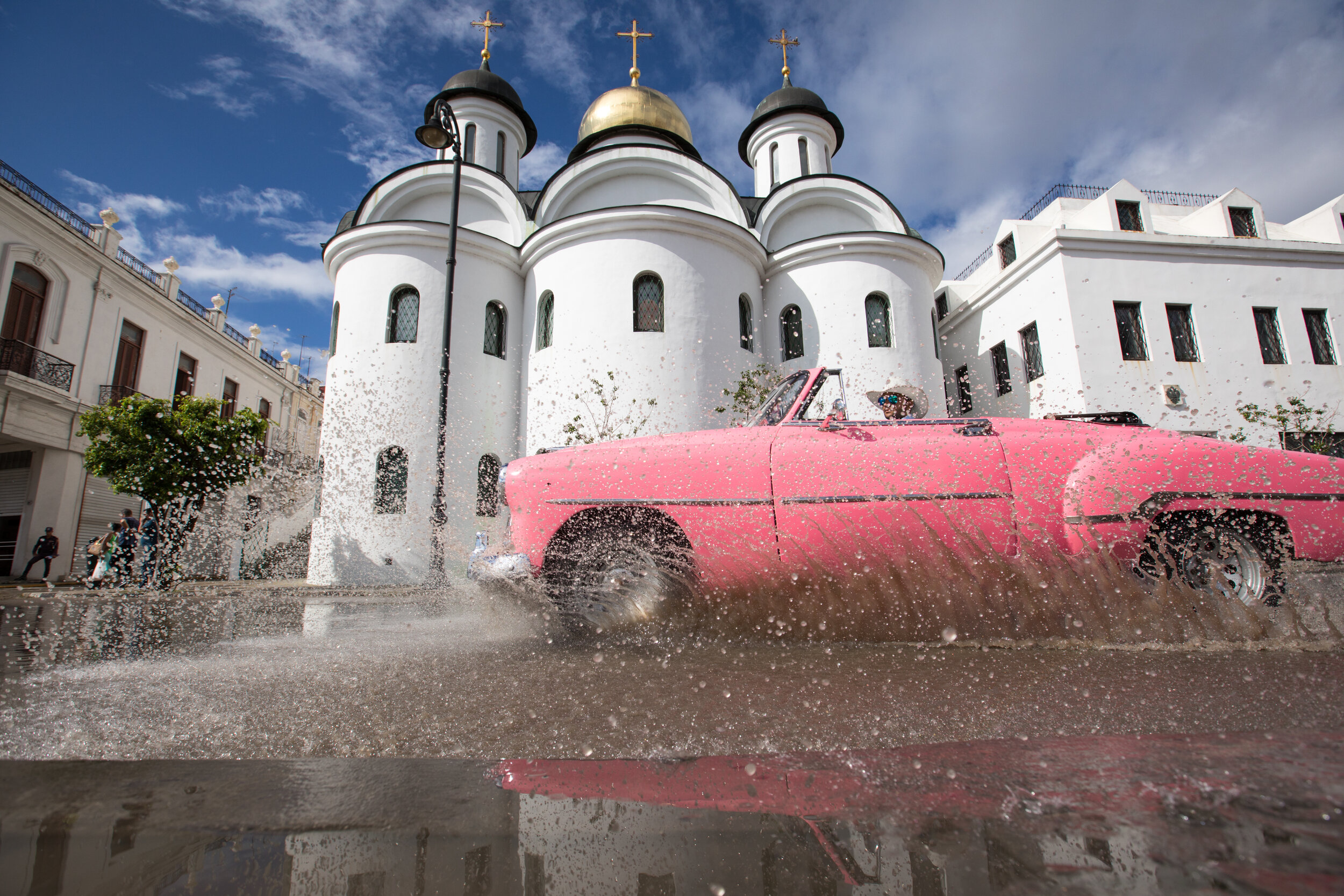
I recently returned from a photography trip to Macau and Hong Kong. The trip was courtesy of Wanderlust Travel Magazine following my win in their 2018 photo of the year competition. I won the ‘Travel Icons’ category with an image I had taken on a trip to Havana in Cuba the previous year. As well as receiving various photographic and storage equipment, the main prize was an all expenses paid trip to Macau & Hong Kong. Click through the slideshows below to view some of my favourite images from the Wanderlust adventure as well as my winning photo taken in Havana, Cuba:

The initial prize was for four days in Macau and a further four days in neighbouring Hong Kong. I extended the trip to two weeks to allow myself more time to explore and get more travel photos. Whilst in Macau I met up with Thomas Kast, another Wanderlust Competition winner who joined us on the various organised tours. Thomas won the People category of the travel photography competition with his excellent photo, ‘The Thinker’ captured in Jerusalem. Thomas is an illustrator and photographer who loves shooting with a long lens and tripod, more of his fine photographic work can be found on his website. As part of our prize we were given a photo assignment to produce tourist friendly images for both the Hong Kong and Macau Tourist boards. I believe some of these images will also be used in a future article about the two locations to be published in Wanderlust travel magazine.

Macau

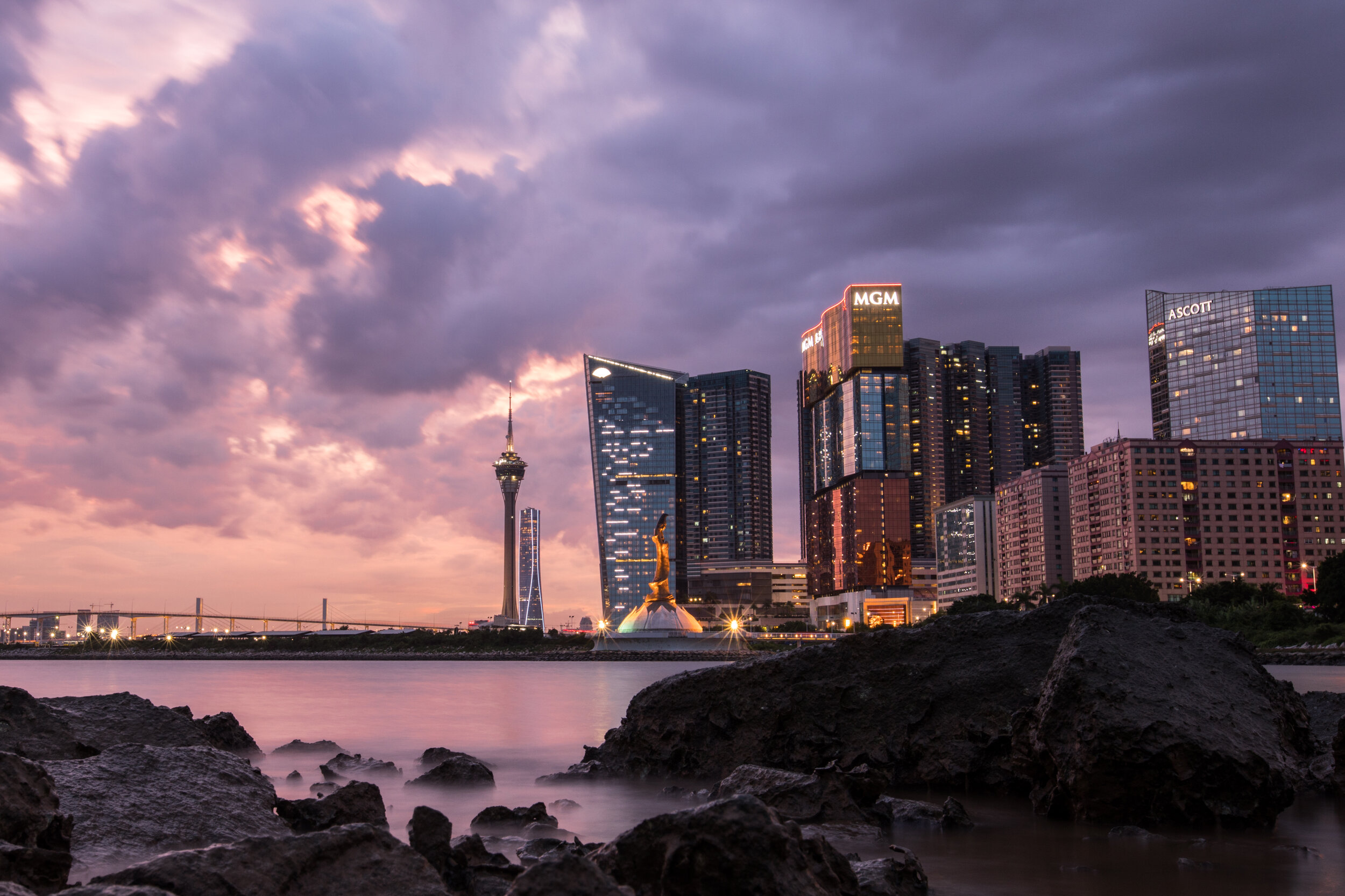
Macau (or Macao as it is spelt in English) is only forty miles from Hong Kong but the two locations are very different culturally. At only 13 square miles Macau is a small but fascinating place with a unique Portuguese-Dhnese heritage. Macau makes the most of it’s small space with an abundance of historical buildings, gardens, coastline and a wide range of new attractions including 5 star hotels, dazzling shows and huge themed casinos. Macau is located on China’s south coast at the mouth of the Pearl River and is surrounded by the South China Sea. It has been a special Administrative Region of China since 1999 and is becoming increasingly popular as a stopover destination to Australia. Most visitors to Macau land in Hong Kong international airport and either take the fast ferry or travel across the recently finished Hong Kong-Zhuhai-Macau Bridge, the World’s longest sea crossing bridge.

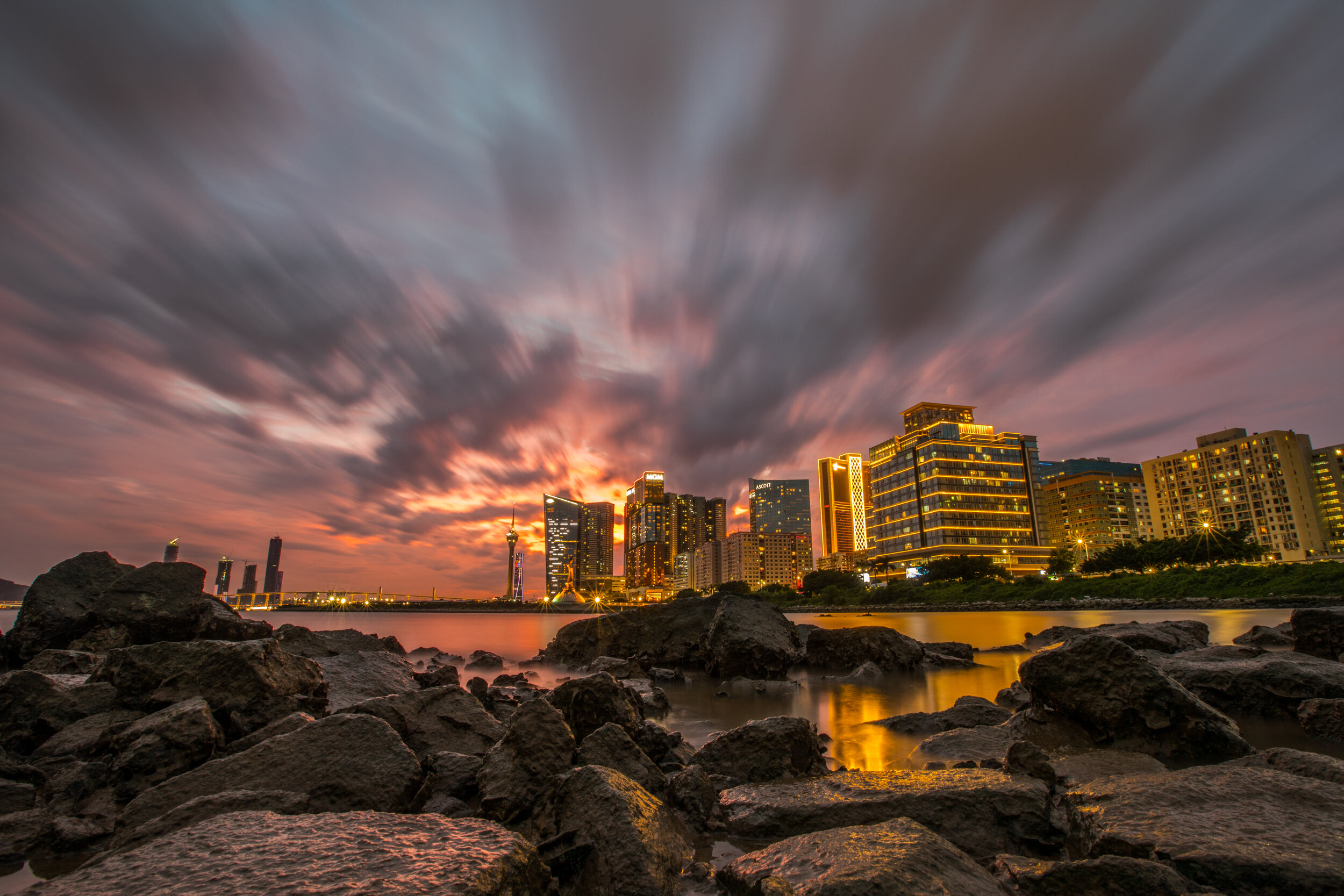
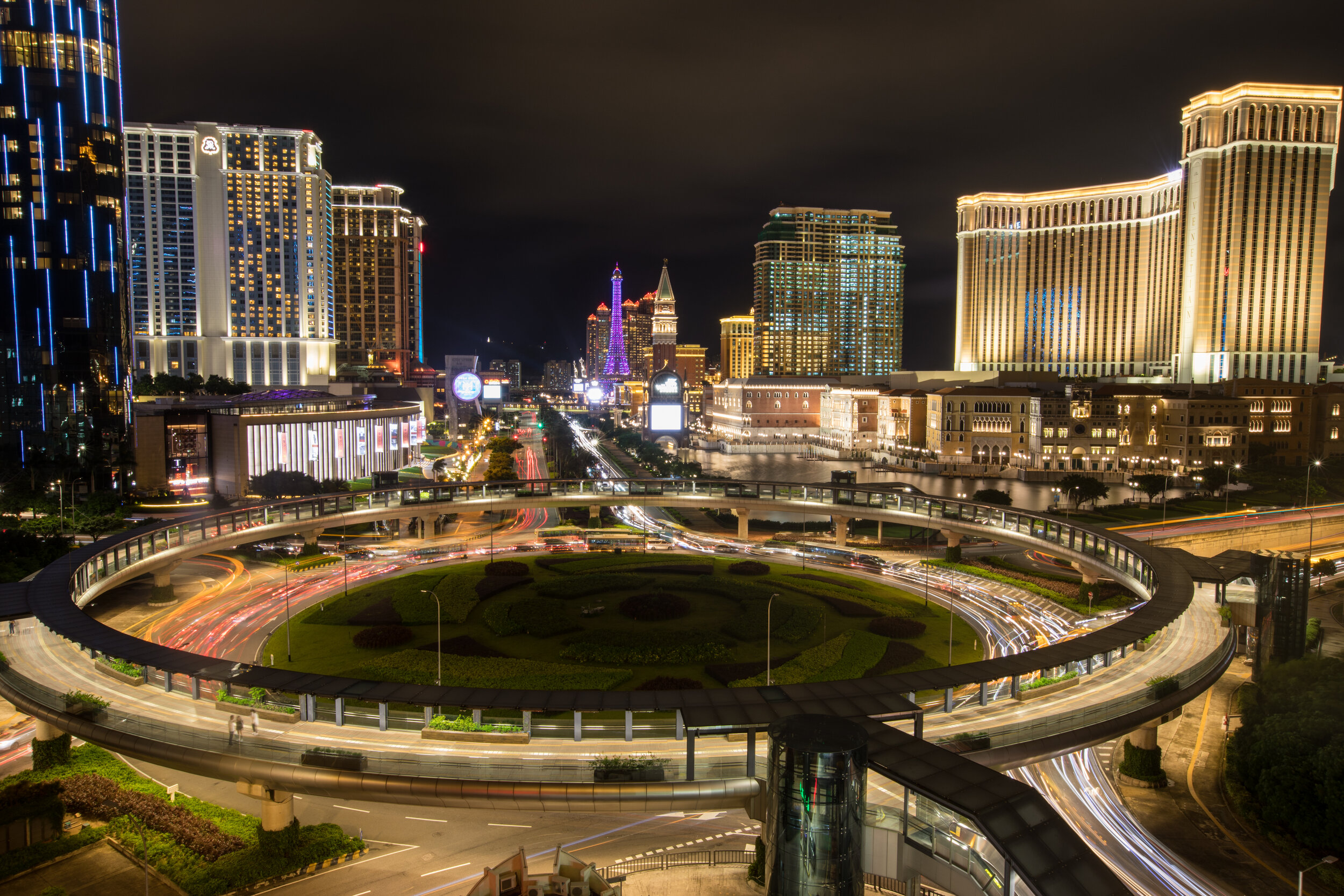
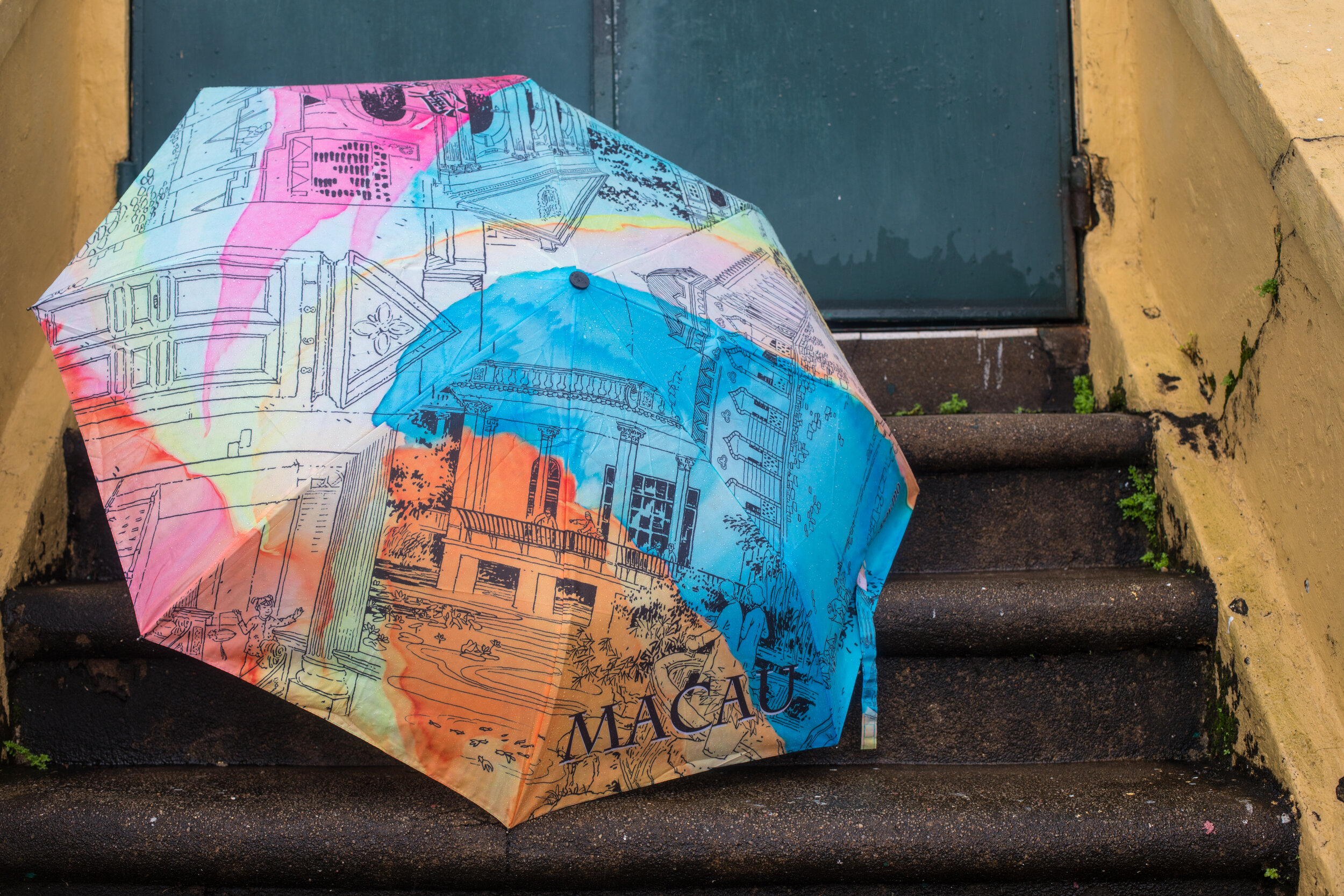
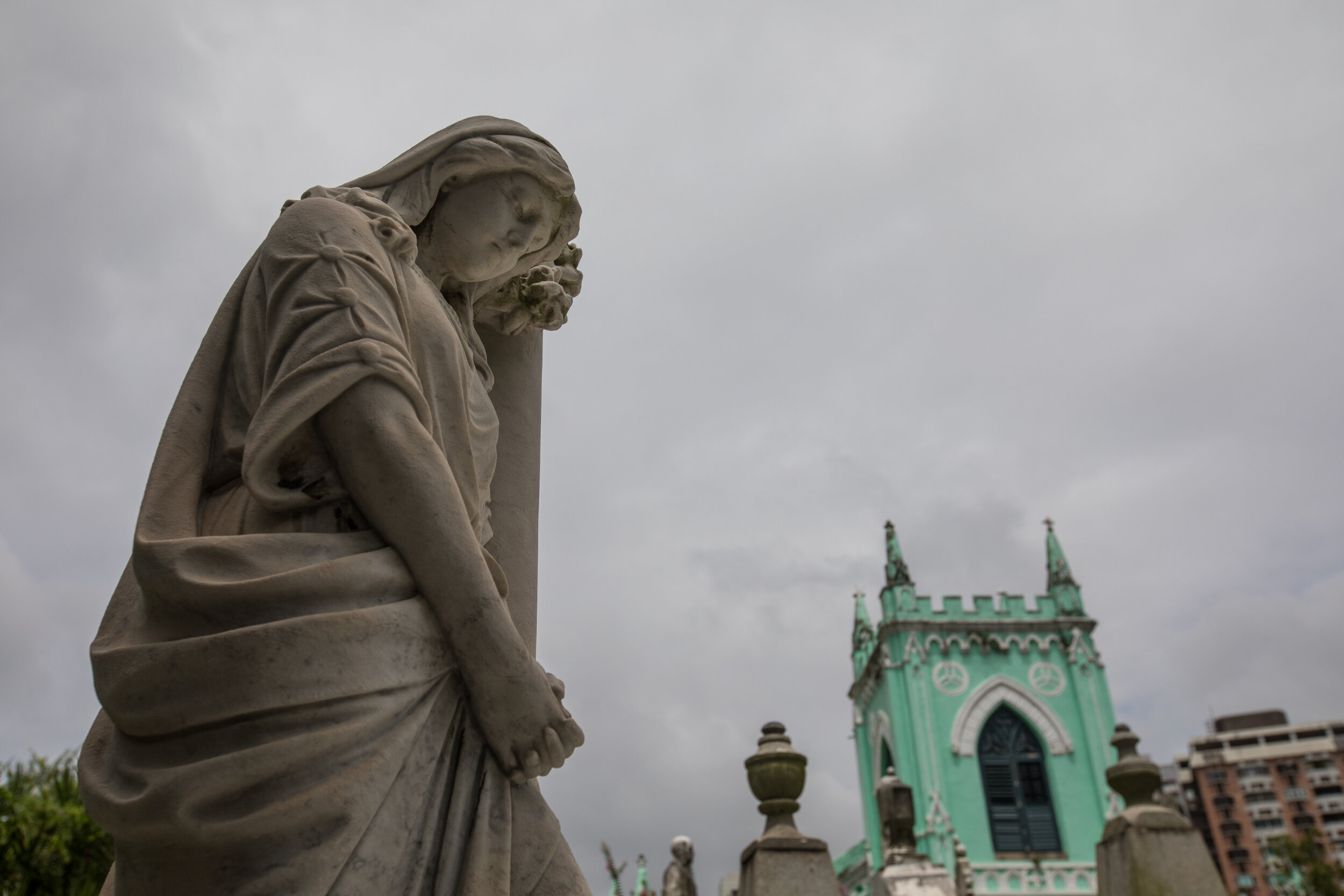
Unfortunately whilst we were in Macau the weather was not ideal with heavy rain for much of the trip. Heavy rain combined with high humidity is very problematic for photography and camera equipment. As any photographer knows: the weather (and lighting) is a fundamental factor in capturing the best images. However, we did the best we could in our short but interesting time in Macau. My favourite images included: the sunsets taken down by the sea & the night images of the casinos, the iconic UNESCO list building, ‘Ruins of St Pauls’, and the interesting & colourful churches that could be found in the centre. You can view some of these Macau images in the slideshow below:

Hong Kong

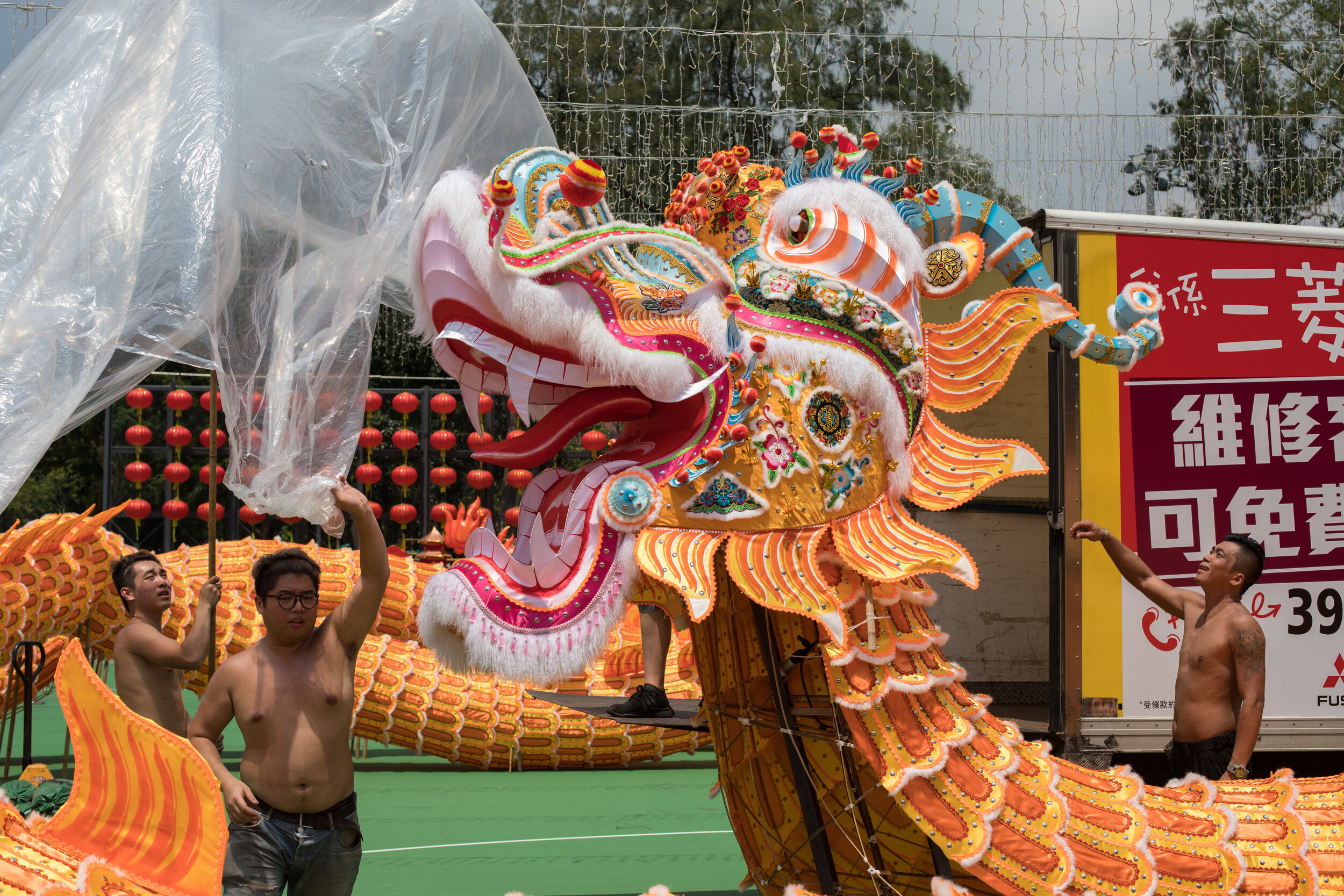
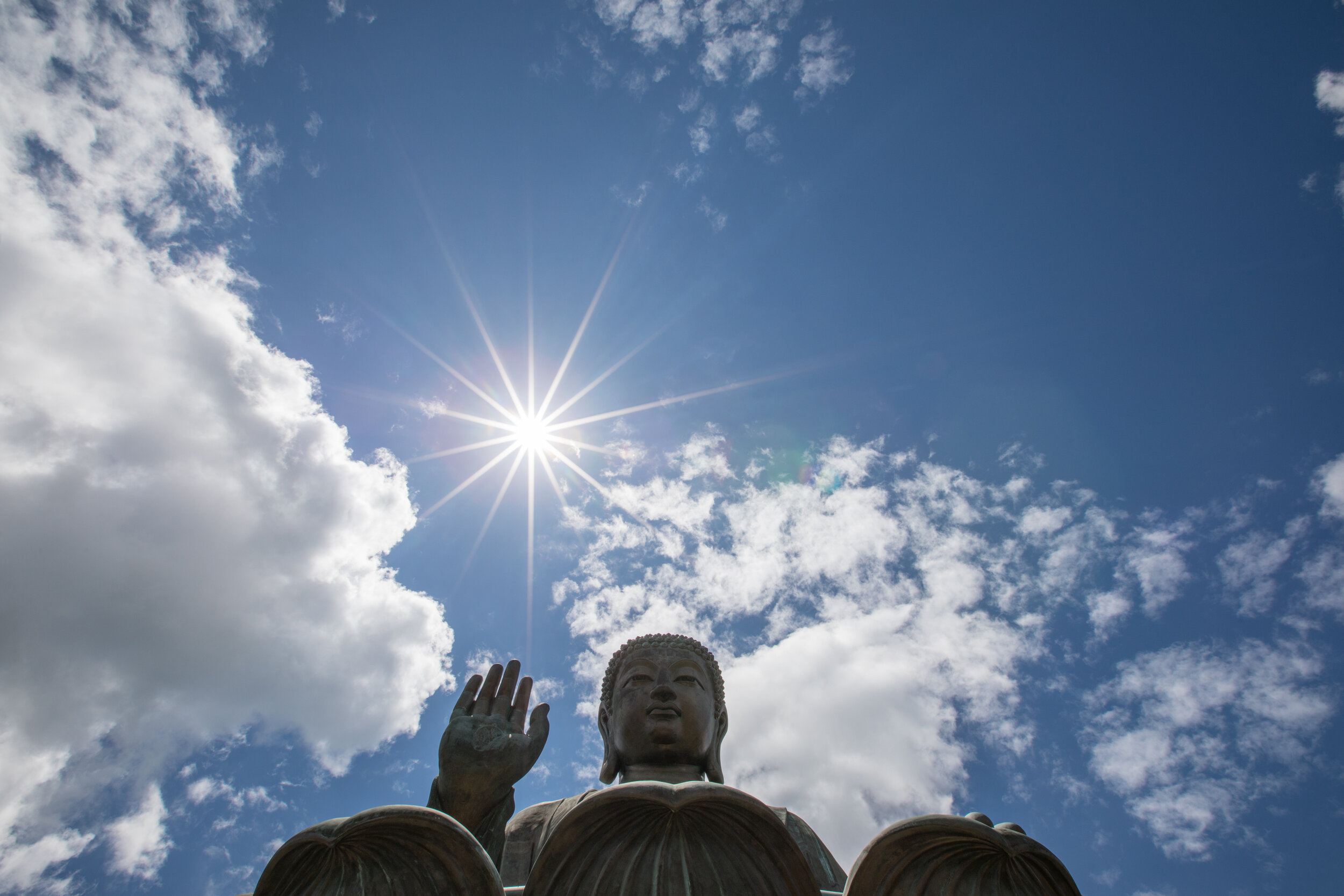
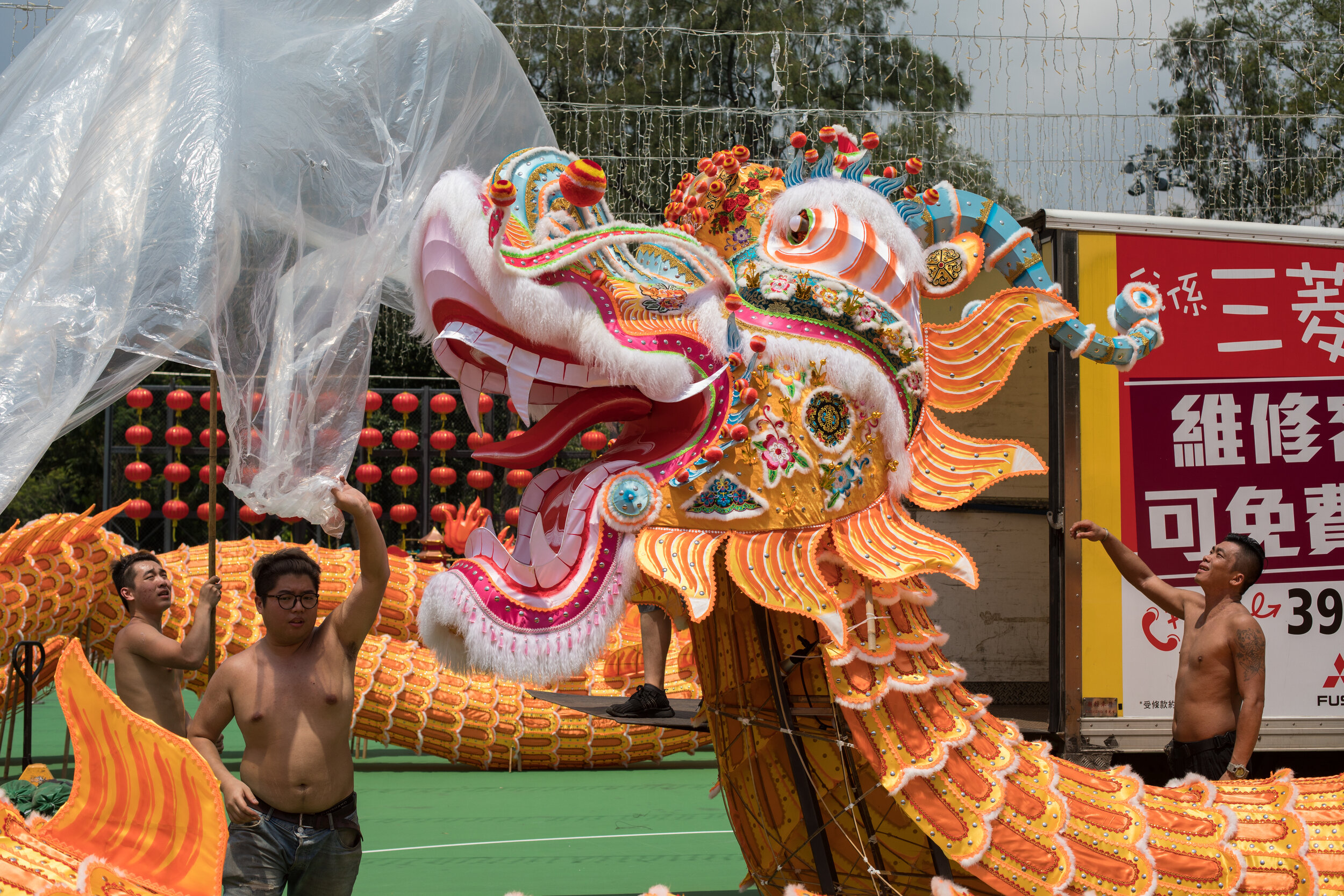
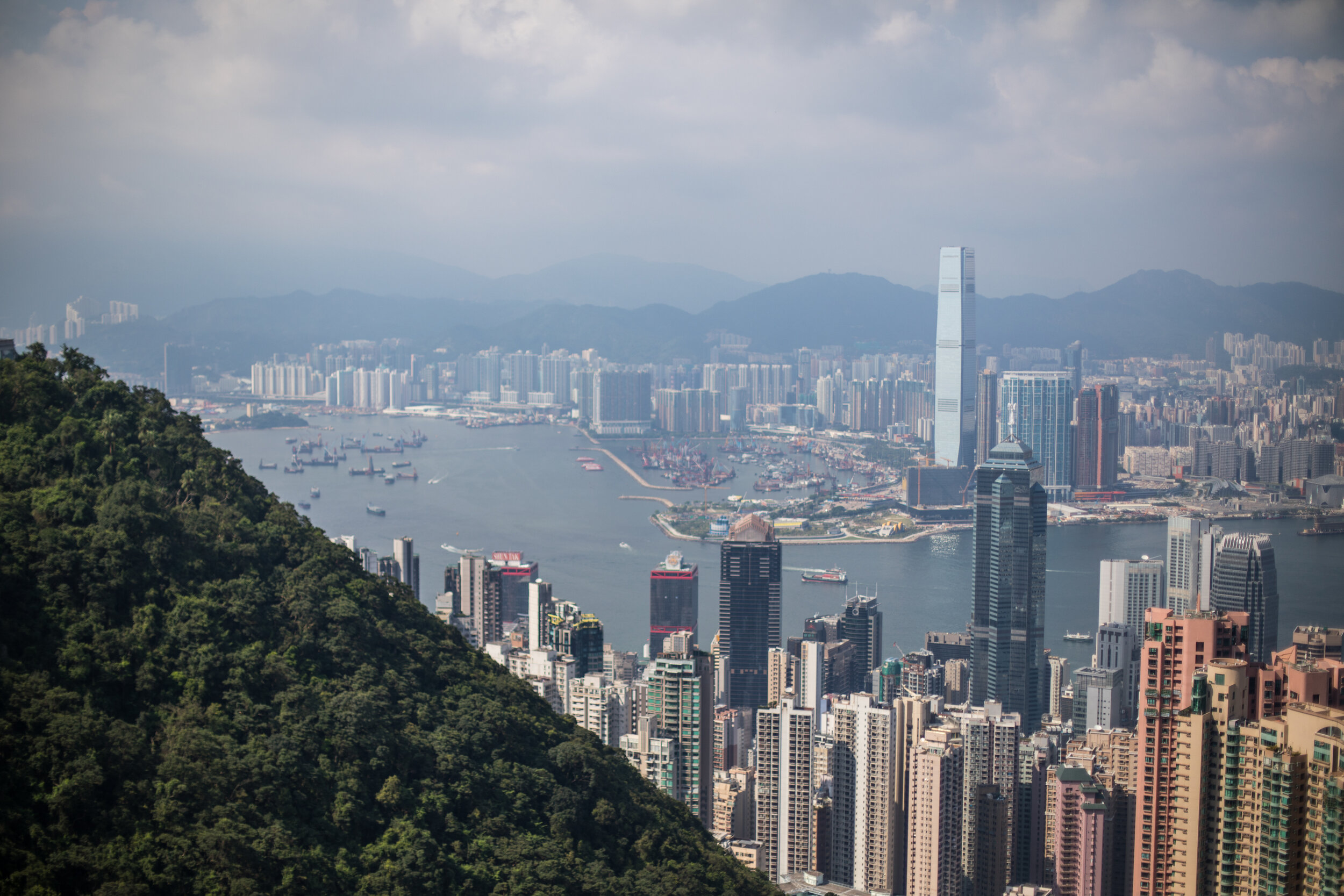
After four days in Macau we moved to Hong Kong where we had both better weather and more time to capture some travel photographs. Hong kong is a Special Administrative Region on the Eastern side of the Pear River estuary in Southern China. Compared to Macau it is much larger and more populated with over 7.5 million people living within a 426 mile area. In addition to the mainland areas there are many islands, some of which me managed to explore off the coast of Hong Kong. With the high rise buildings and huge modern shopping centres it also appears very different to neighbouring Macau. My favourite images from Hong Kong are from the Tian Tan Buddha located on Lantau island which was published by the Sunday Times, the night time Dragon festivals in the City, views over the city from the adventurous Suicide Rock hike, and various street photos I captured during my time exploring the Hong Kong Streets. Some of these Hong Kong photographs can be viewed in the slide show below:

I thoroughly enjoyed my visit to both Macau & Hong Kong and would love to return in the future. More of my photography from the Wanderlust trip can be found on my website, my Instagram, my Facebook and my Flickr account. Here is an article written by Wanderlust travel magazine on entering and winning a photo competition. The win has given me the confidence to enter a few more competitions and the motivation to travel in the future and take some more! If you are interested in purchasing any prints, using an image online or collaborating in any way please email: geraintrowlandphotography@gmail.com.
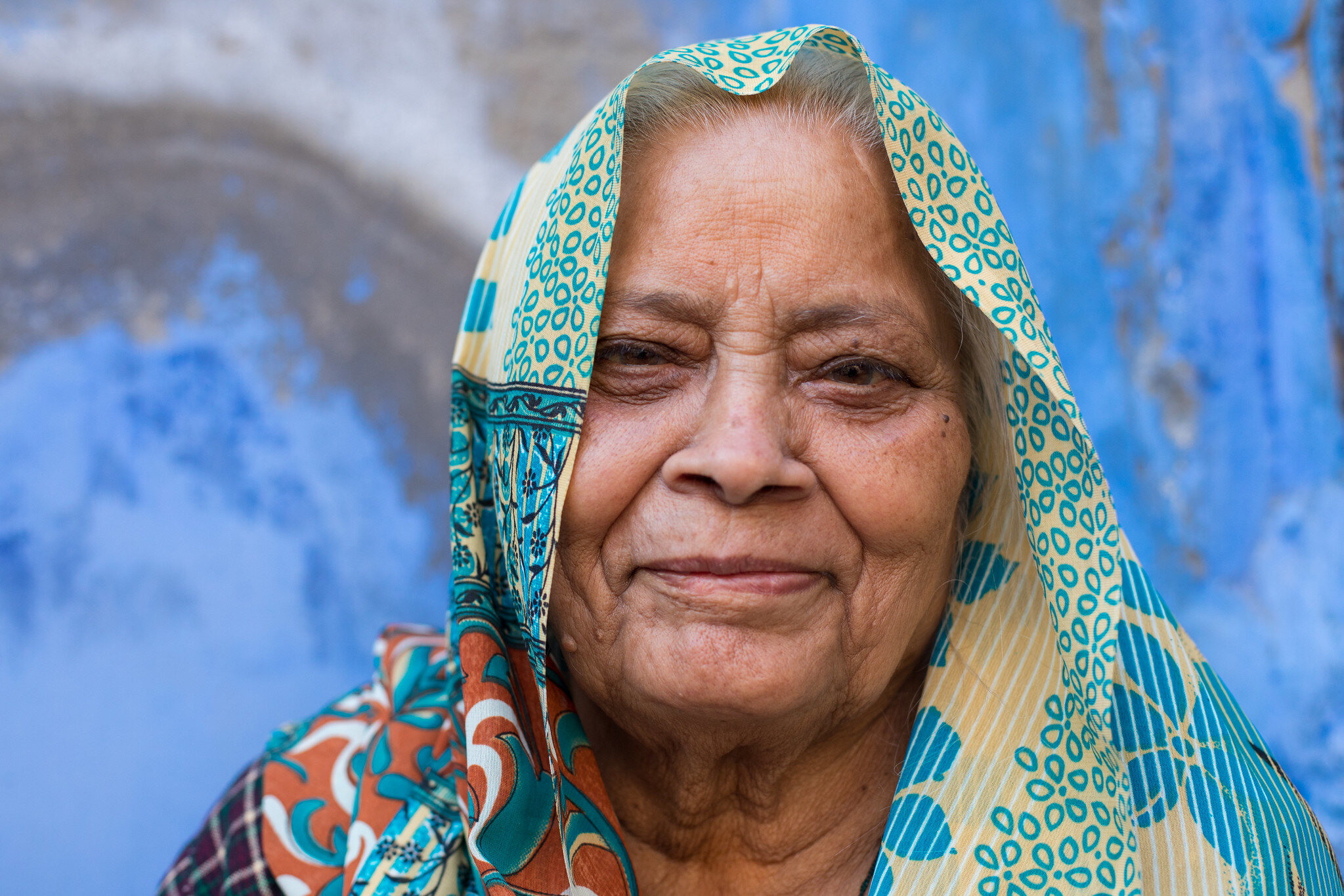
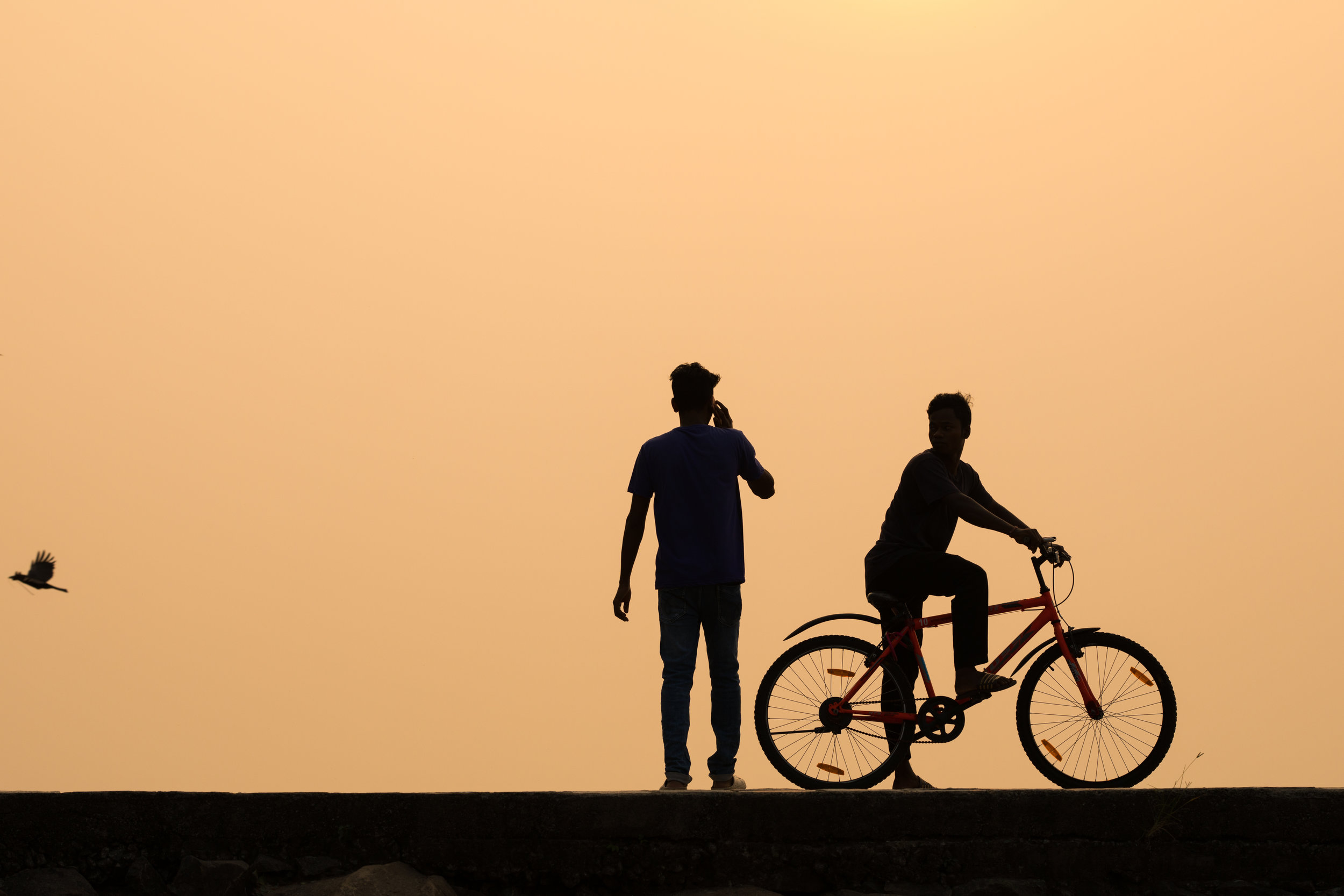
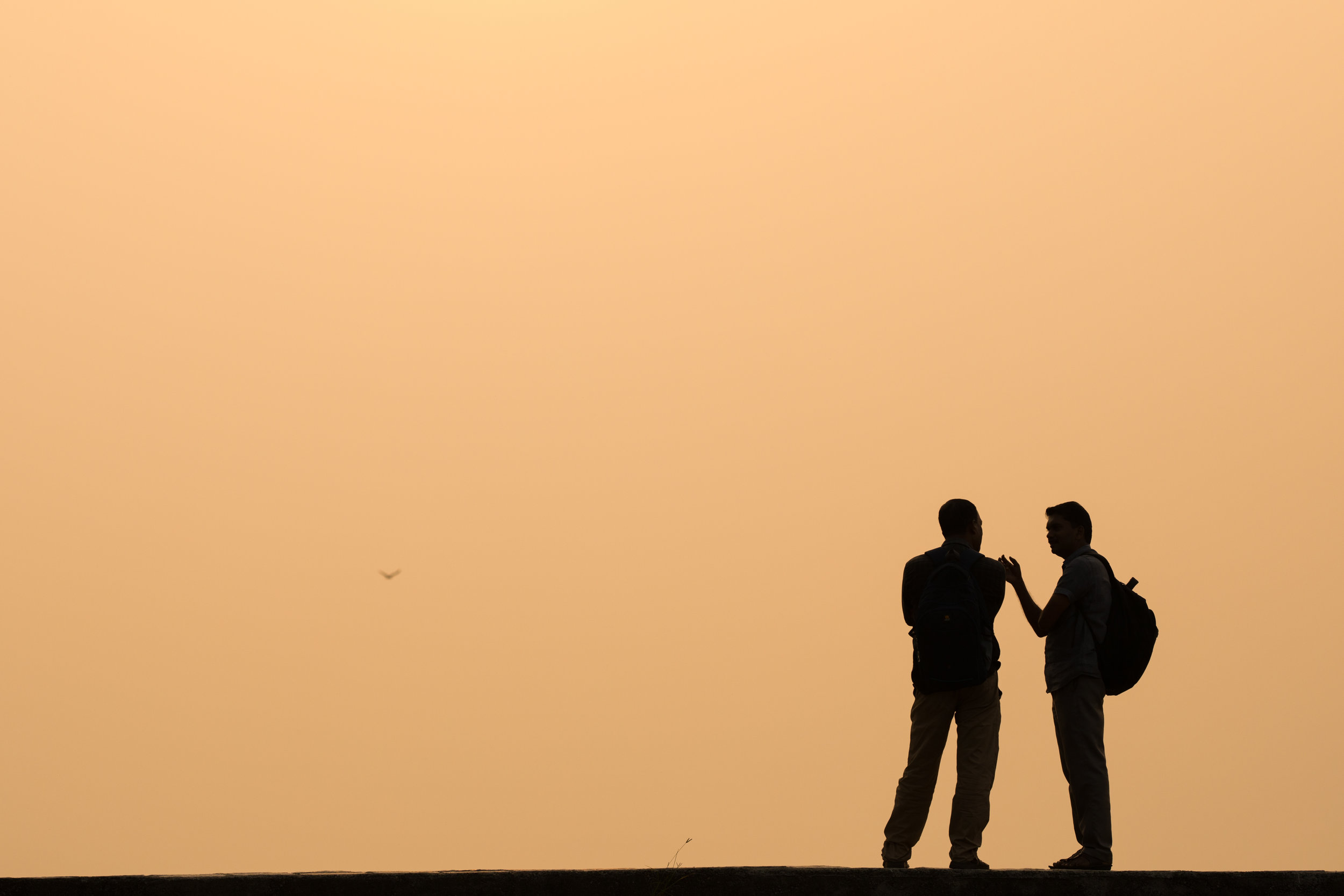
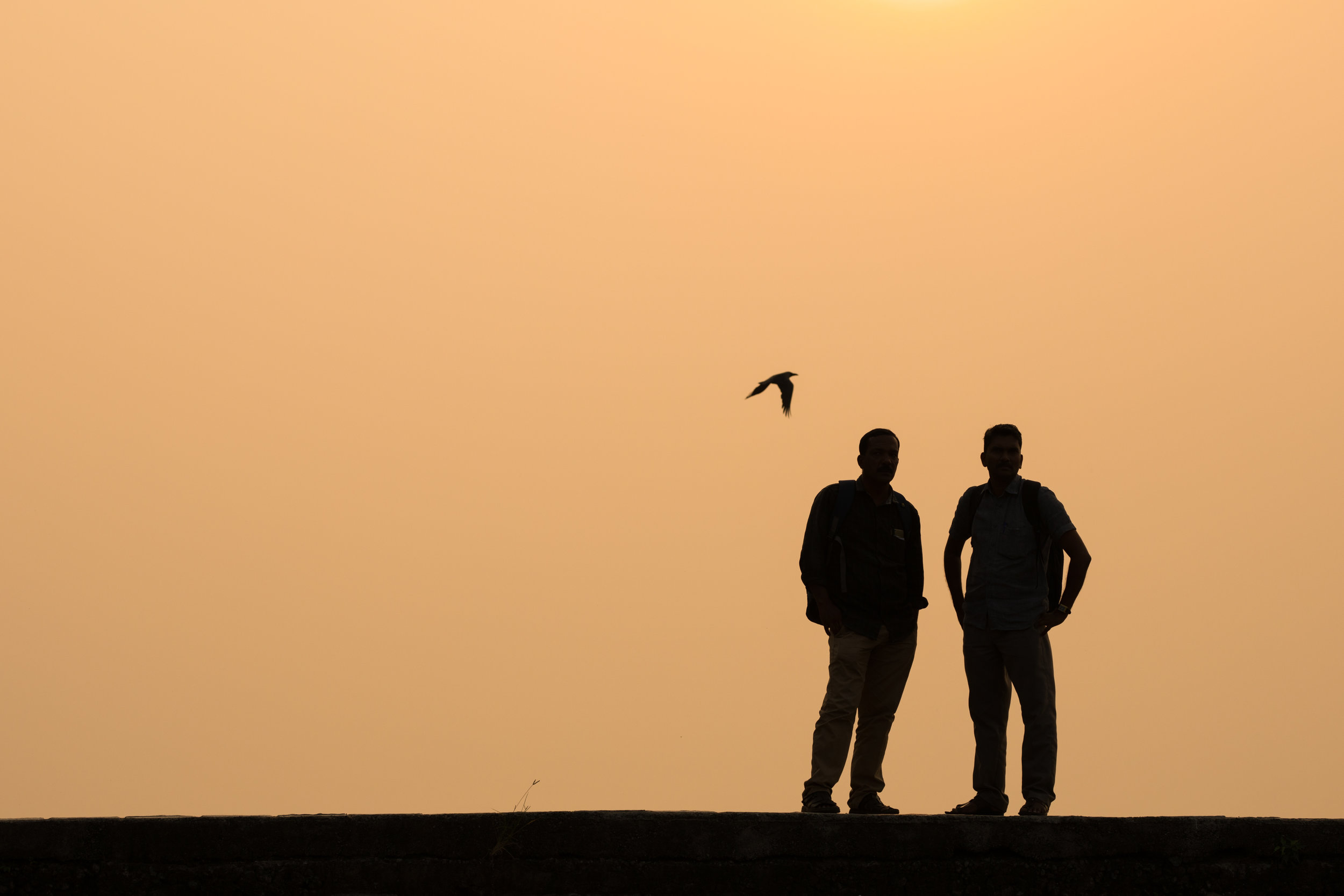
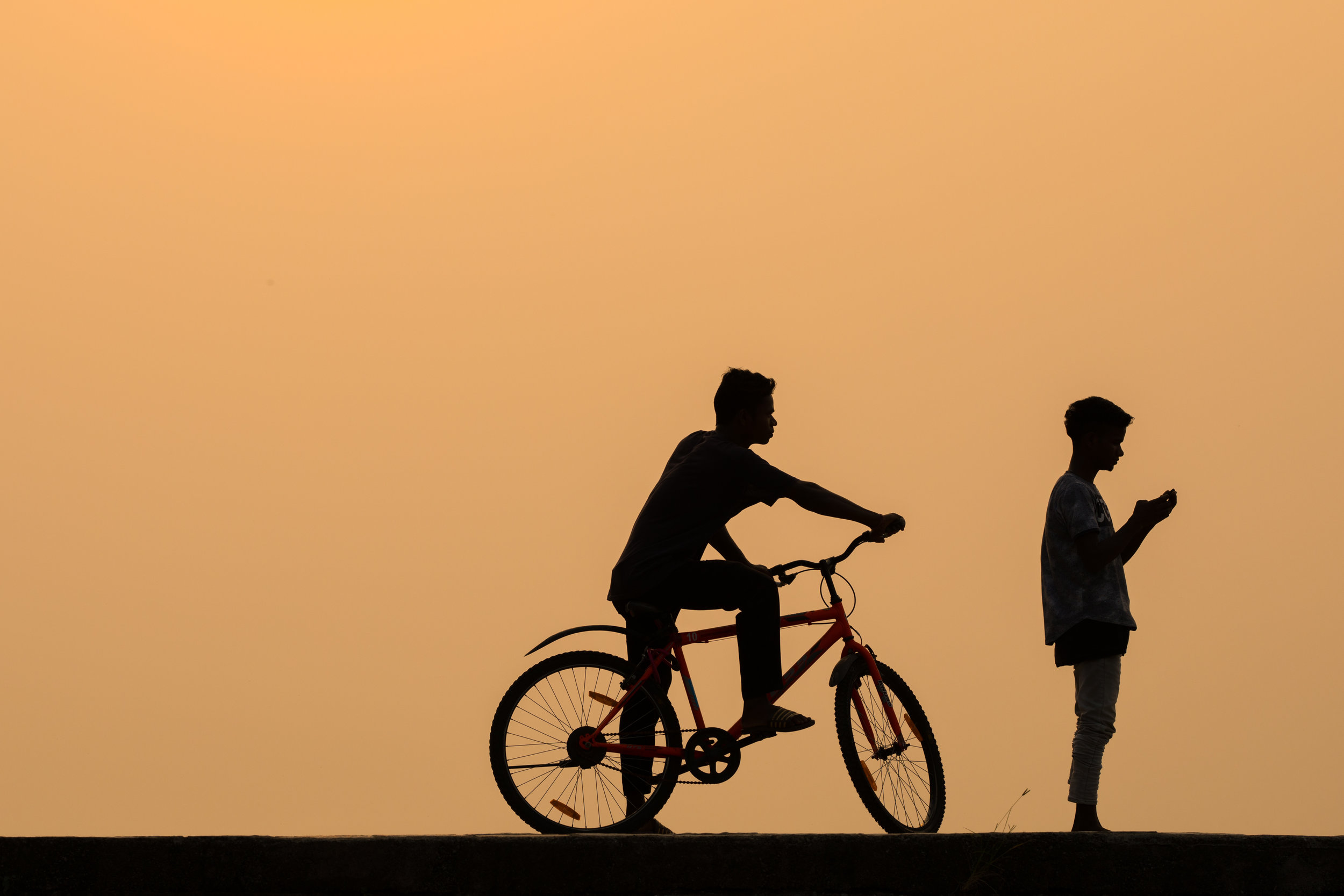
Silhouettes in Kerala, India (Photo Essay for Dezine Magazine)

I have recently finished a six month voyage through India. It is a great country for photography offering a variety of landscapes, amazing architecture and a variety of interesting cultures to capture. Wherever you go in India there is always something to document photographically. Whilst I was in the South of India in the state of Kerala I spent a few days in Fort Kochi. This small coastal city is a great place for both street and architectural photography with a huge mix of different influences from throughout the ages. The area is famous for it's Portuguese, Dutch and British architecture, as well as the elaborate Chinese fishing nets which were introduced by Chinese explorers in the 14th century.
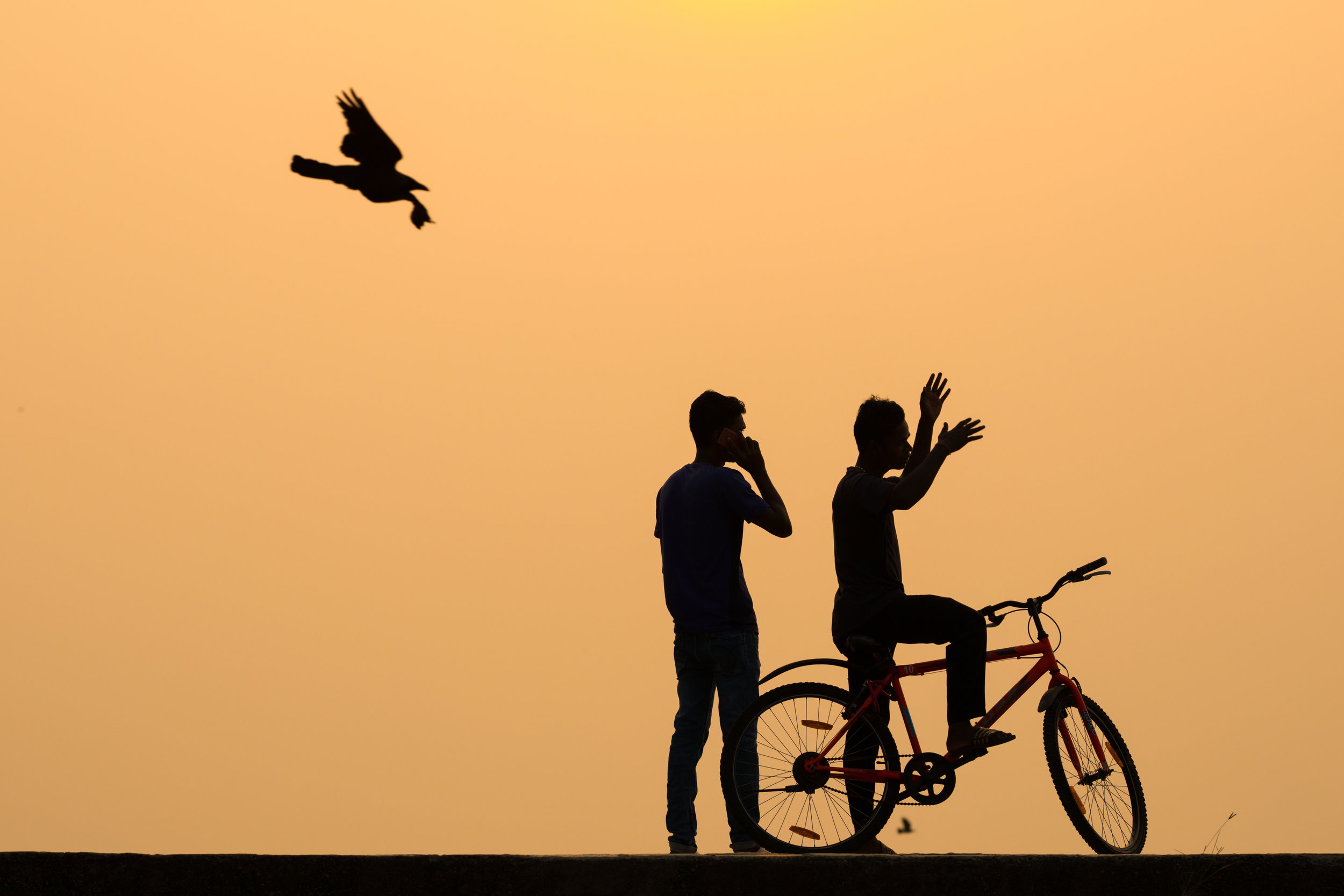
I'm sure that in the right conditions the Chinese fishing nets can be photographed beautifully, but during my time there the sky was dull and the vibrant sunsets lacking! Instead I decided to experiment with some silhouette style images along the coastline. I enjoy taking silhouette photographs, I feel that their simplicity adds to their overall beauty and the addition of people can add a lot of emotion.

When taking silhouetted images, as with much of photography, the most important element is light. The subject that you want to be silhouetted should be directly in front of the light source. In addition, the background needs to be lighter than the foreground to create the silhouette. In these images the late afternoon sun was directly behind the people making it perfect for the high contrast silhouetted results. Choose subjects that are easily recognisable as your silhouettes and keep it simple. Try to avoid distracting elements within the frame and make use of the surrounding negative space. The subjects I took here were on a coastal walkway and I was slightly lower down on the beach shooting up. This angled technique ensured I had no distracting noise in the background of the frame. These images were taken using a Canon 5D4 and a Sigma 135mm 1.8 art lens. The extra range on the lens allowed me to stand a little further back and photograph away comfortably. However, any type of lens can be used successfully for silhouettes, practice until you create the perfect shot and have fun doing so.

I have written several previous travel photo essays for Dezine which can be found on their website. More of my travel photography can be found on my website, my Instagram, my Facebook and my Flickr account. If you are interested in purchasing any prints, using an image online or collaborating in any way please email: geraintrowlandphotography@gmail.com.